2026-09-30
Content
Engineers and procurement managers working with high-temperature systems face a common challenge: standard tapes degrade, lose adhesion, or release toxic fumes under heat stress. Heat-resistant foil tape solves this problem by combining a metallic foil carrier with a thermally stable adhesive. This article covers construction, temperature ratings, application domains, and selection criteria at an engineering level — designed for B2B buyers, distributors, and technical specifiers.
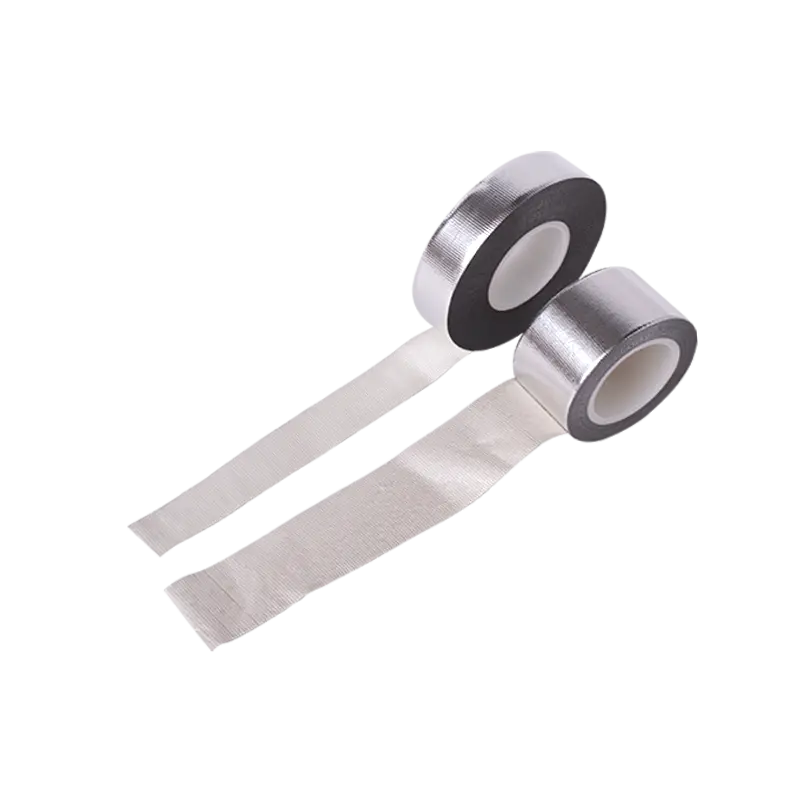
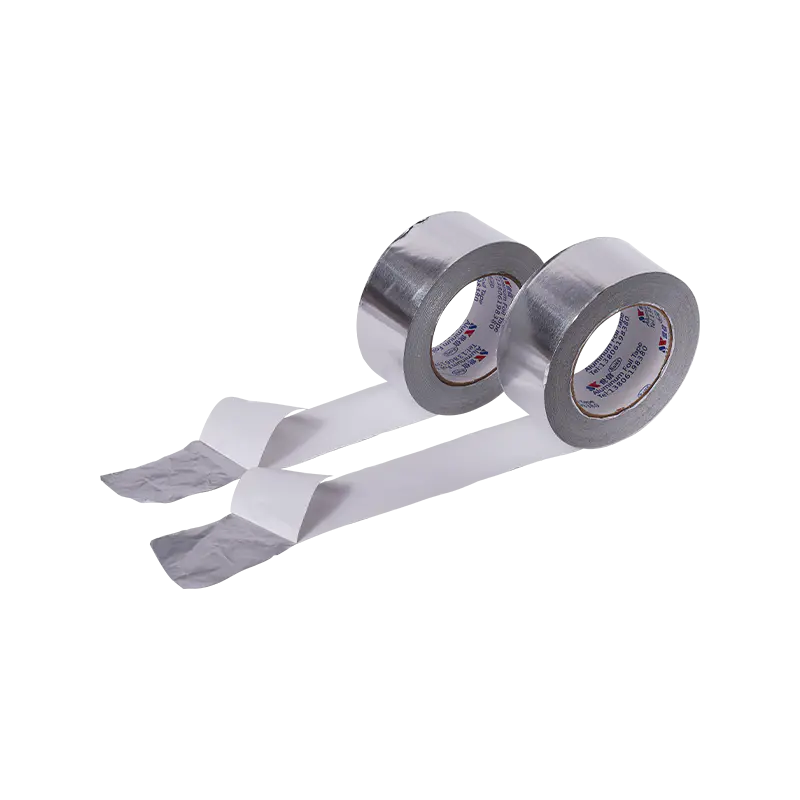
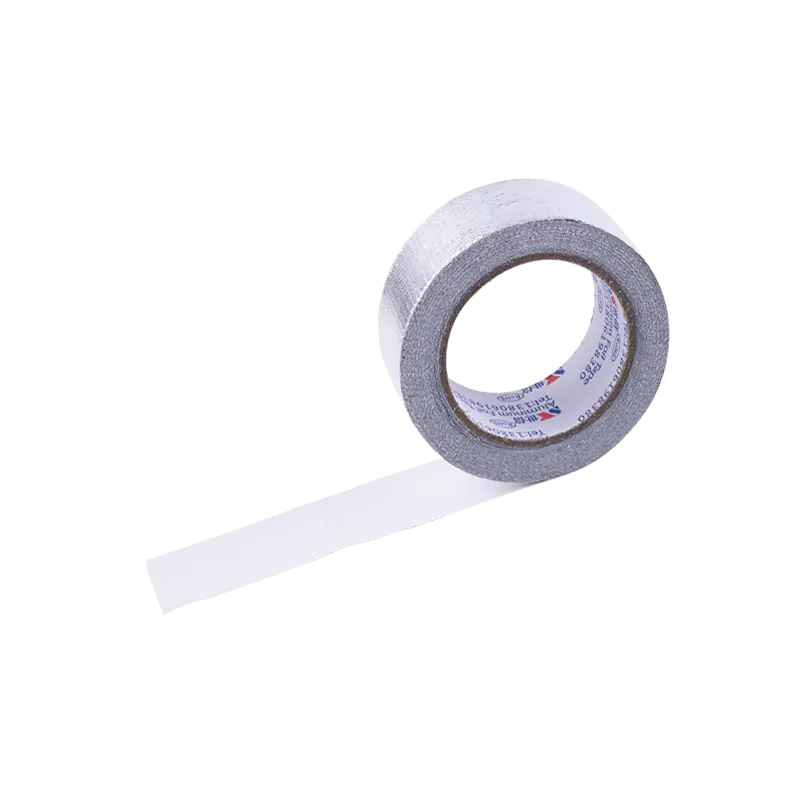
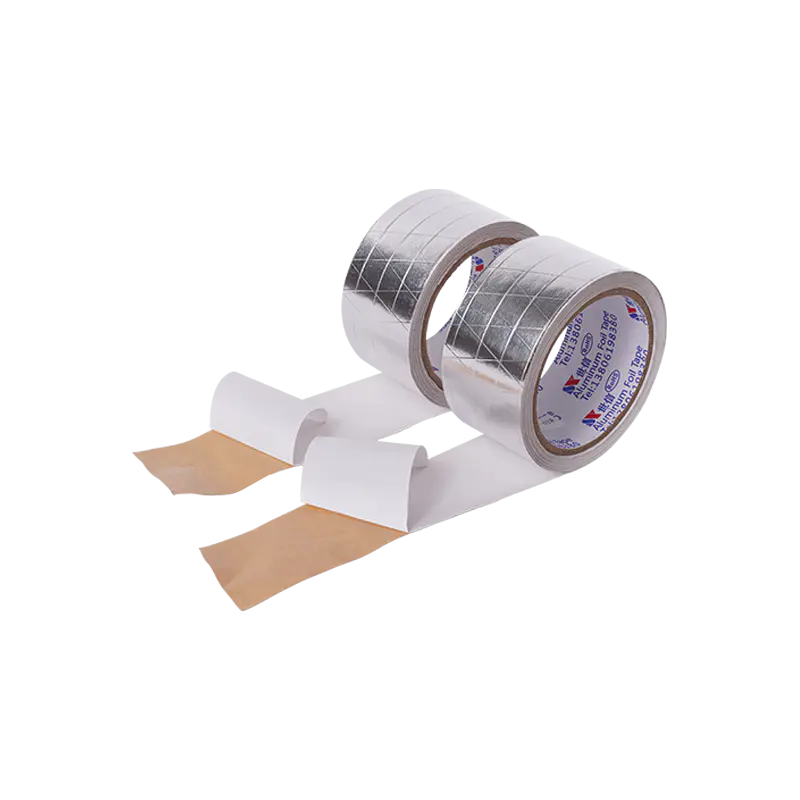
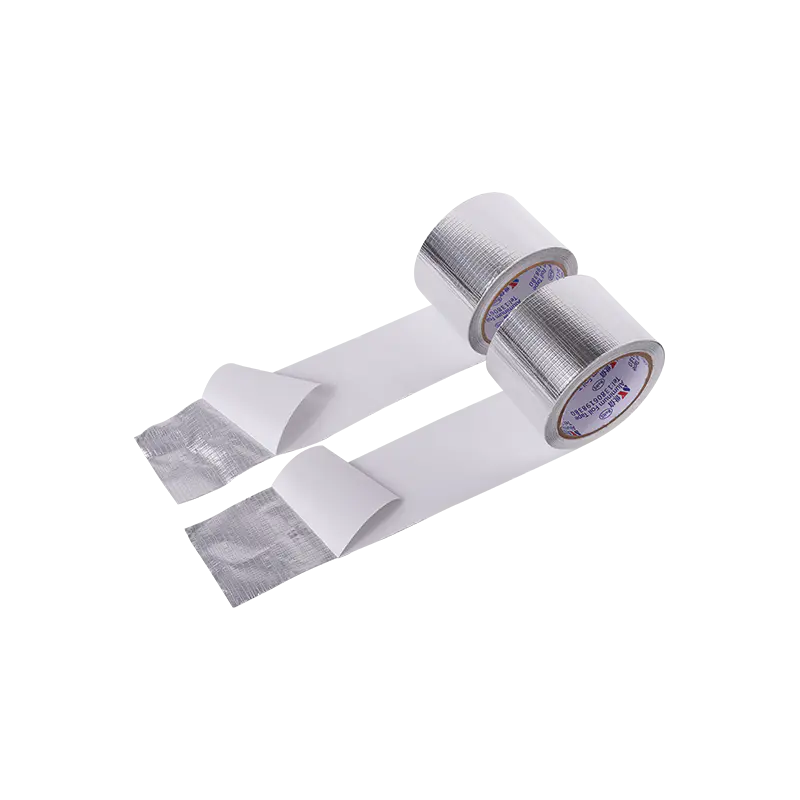
Understanding the material stack of foil tape helps buyers match the product to the operating environment. Every roll consists of three functional layers: the foil backing, the adhesive layer, and, in some cases, a release liner.
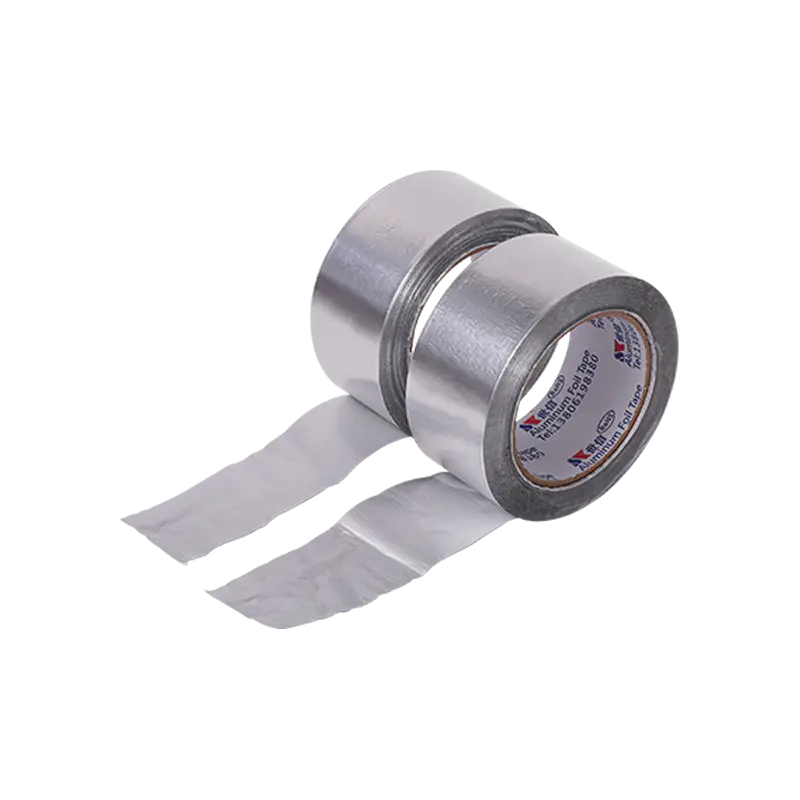
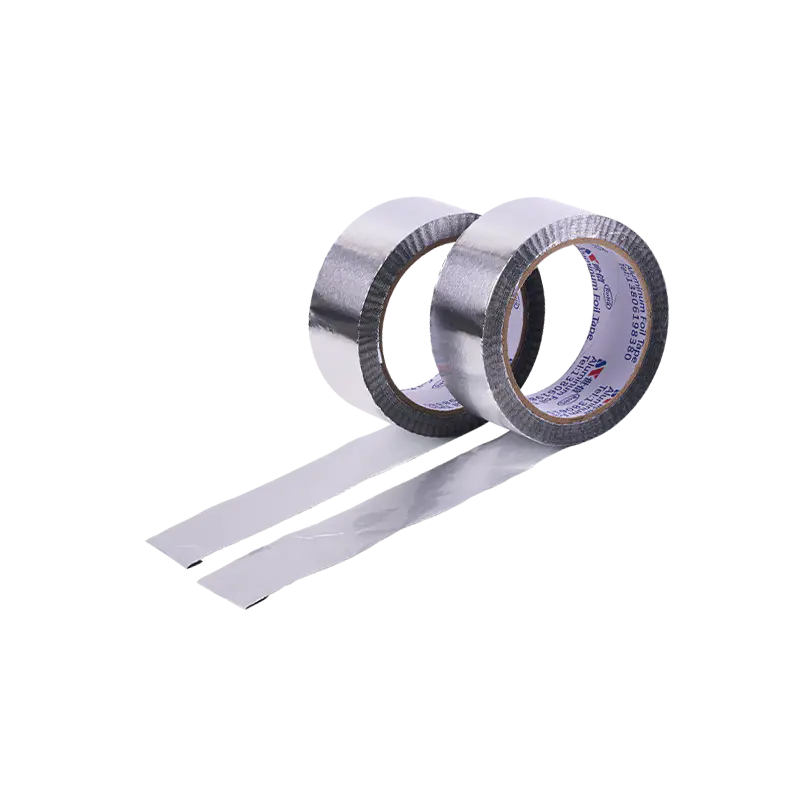
The foil carrier determines the tape's thermal conductivity, reflectivity, chemical resistance, and maximum service temperature. Aluminum is the most widely used material because it combines low weight, corrosion resistance, and effective heat reflection. Copper foil offers higher electrical and thermal conductivity, making it suitable for EMI shielding and heat-spreading applications. Stainless steel foil handles the most extreme mechanical stress and corrosion environments, though it is heavier and less flexible than aluminum.

The table below compares the three primary foil backing materials across the most relevant technical parameters for industrial procurement:
| Foil Material | Max Continuous Temp (°C) | Thermal Conductivity (W/m·K) | Corrosion Resistance | Primary Use Case |
| Aluminum | 150 – 260 | ~205 | High (oxide layer) | HVAC, insulation jacketing, general sealing |
| Copper | 200 – 300 | ~385 | Moderate (patina forms) | EMI shielding, heat pipe bonding, electronics |
| Stainless Steel | 300 – 500+ | ~16 | Very High | Exhaust wrapping, furnace sealing, and marine systems |
The adhesive is the most temperature-sensitive component of any foil tape. Acrylic adhesives are standard for moderate heat applications. They offer good UV resistance and remain effective up to approximately 150°C in continuous service. Silicone-based adhesives extend the operating window significantly — they maintain bond integrity at temperatures reaching 260°C and above, and they resist thermal cycling without hardening or delaminating. For the most demanding environments, such as direct contact with exhaust headers or industrial kilns, ceramic-filled or inorganic adhesives are specified, with some formulations rated past 300°C.
Tape manufacturers publish two temperature figures: continuous use temperature and peak or intermittent temperature. Continuous use temperature is the maximum sustained temperature at which the tape maintains its mechanical and adhesive properties over thousands of hours. Intermittent temperature refers to short-duration spikes that the tape can survive without permanent failure. Buyers should always specify based on the continuous operating condition of the system, not the peak, unless the peak occurs very briefly and infrequently.
Most standard aluminum foil tapes with acrylic adhesive carry a continuous rating between 120°C and 150°C. Upgraded versions using silicone adhesive are rated to 200°C or 260°C continuously. These figures are typically validated under ASTM E84 (flame spread), UL 181A-P or UL 181B-FX (duct closure), and various ASTM or EN peel adhesion and shear strength tests. When evaluating aluminum foil tape high temperature rating claims, always request the test standard and sample conditioning method. A rating achieved at 23°C ambient with no pre-aging may not reflect performance in a real installation.
The HVAC industry is the largest single market for aluminum foil tape. Foil tape for HVAC duct insulation is used to seal longitudinal seams, butt joints, and penetrations in rigid and flexible duct systems. UL 181-listed tapes are required by most building codes in North America for use on Class 1 air ducts. These tapes must pass specific peel adhesion, tensile strength, and vapor transmission tests. In practice, the tape must adhere reliably to glass fiber duct board, sheet metal, and polyisocyanurate insulation at temperatures ranging from below freezing (during pre-installation storage) to 93°C supply air temperatures in high-efficiency systems.
Automotive, marine, and industrial exhaust systems generate surface temperatures that can exceed 400°C on headers and manifolds. Heat-resistant foil tape for exhaust systems in these contexts is typically constructed from stainless steel or aluminized steel foil with a silicone or inorganic adhesive. The tape serves multiple functions: it acts as a thermal barrier to protect adjacent components, it reduces radiated heat in the engine bay, and it can seal small gaps at joints to prevent exhaust gas leaks. Some specifications also require the tape to withstand intermittent exposure to oil, coolant, and road spray without adhesive failure.
Self-adhesive heat-resistant foil tape is extensively used in plastics processing, food production equipment, and electronics manufacturing. In plastics extrusion, it is applied to barrel insulation blankets to maintain temperature uniformity. In food processing, the tape must comply with food-contact regulations in addition to heat resistance requirements. In electronics, fine-gauge aluminum or copper foil tape is used to mask components during wave soldering, where the board surface reaches 260°C briefly.
Buyers frequently encounter a choice between metallic foil tape and woven fiberglass tape for high-temperature sealing and insulation duties. Each material has a distinct performance profile. Foil tape provides a vapor barrier, a smooth reflective surface, and pressure-sensitive adhesive convenience. Fiberglass tape offers higher tensile strength, better conformability to irregular surfaces, and a higher raw temperature ceiling — woven fiberglass can survive beyond 500°C —, but it requires a separate adhesive or mastic and does not form a vapor seal on its own.
The following comparison covers the most critical selection parameters for procurement decisions:
| Parameter | Foil Tape vs Fiberglass Tape High Heat — Foil | Foil Tape vs Fiberglass Tape High Heat — Fiberglass |
| Max Continuous Temp | Up to 260°C (silicone adhesive Al); 500°C+ (SS foil) | 500°C – 700°C (E-glass); higher for specialty weaves |
| Vapor Barrier | Yes (solid foil layer) | No (open weave) |
| Adhesive System | Pressure-sensitive (self-adhesive) | Requires mastic, sodium silicate, or a separate adhesive |
| Surface Conformability | Moderate (depends on foil gauge) | High (woven structure flexes easily) |
| Tensile Strength | Moderate (foil tears under high stress) | High (fibers distribute load) |
| Installation Speed | Fast (peel and stick) | Slower (wet application or heat-cure needed) |
| Typical Cost (per meter) | Lower to moderate | Moderate to higher |
Standard aluminum foil tape with acrylic adhesive is rated for continuous service up to 120°C to 150°C. High-performance versions using silicone adhesive extend this to 200°C or 260°C continuously. The foil itself can tolerate higher temperatures, but adhesive failure defines the practical limit. Always verify the rating against the specific adhesive system, not just the foil material.
Yes, many formulations are suitable for outdoor use. Key requirements are UV-stable adhesive, resistance to moisture and humidity cycling, and adequate low-temperature flexibility for cold climates. Acrylic adhesives generally offer better UV resistance than rubber-based systems. Verify outdoor suitability through the manufacturer's datasheet, specifically checking humidity and UV exposure test results.
UL 181B-FX listed tapes are specifically approved for sealing flexible air ducts. These tapes pass longitudinal tensile, peel adhesion, and aging tests defined by UL. Most building codes and mechanical contractors in North America require UL listing for duct sealing tape. Using non-listed tape on listed duct systems may create code compliance issues during inspection.
Foil tape provides a mechanically stable, ready-to-use seal that can be applied in seconds and inspected visually. Silicone sealant fills gaps and irregular surfaces more effectively but requires curing time (typically 24 hours) before exposure to heat. In exhaust applications, engineers often use both: sealant at the joint interface and foil tape over the top as a mechanical reinforcement and thermal shield. Neither solution is universally superior; the selection depends on joint geometry, accessibility, and maintenance cycle requirements.

Our company has been engaged in the tape manufacturing industry for more than 20 years, and has been focusing on various types of aluminum foil tapes, foam tapes, refrigerator tapes, etc.
IsabelLina
Email:[email protected]
Mobile/Whatsapp: +86 190 3379 1110
Mars Gong
Email:[email protected]
Mobile/Whatsapp: +86 159 5136 0053
Address: West side of Yingbin Avenue and south side of hengwang packaging. Suqian Economic and Technological Development Zone,Jiangsu Province
Copyright © Jiangsu Shixin Adhesive Tape Product Co., Ltd. All Rights Reserved. Custom ODM Refrigerator Foil Adhesive Tapes Manufacturers