2026-09-30
Content
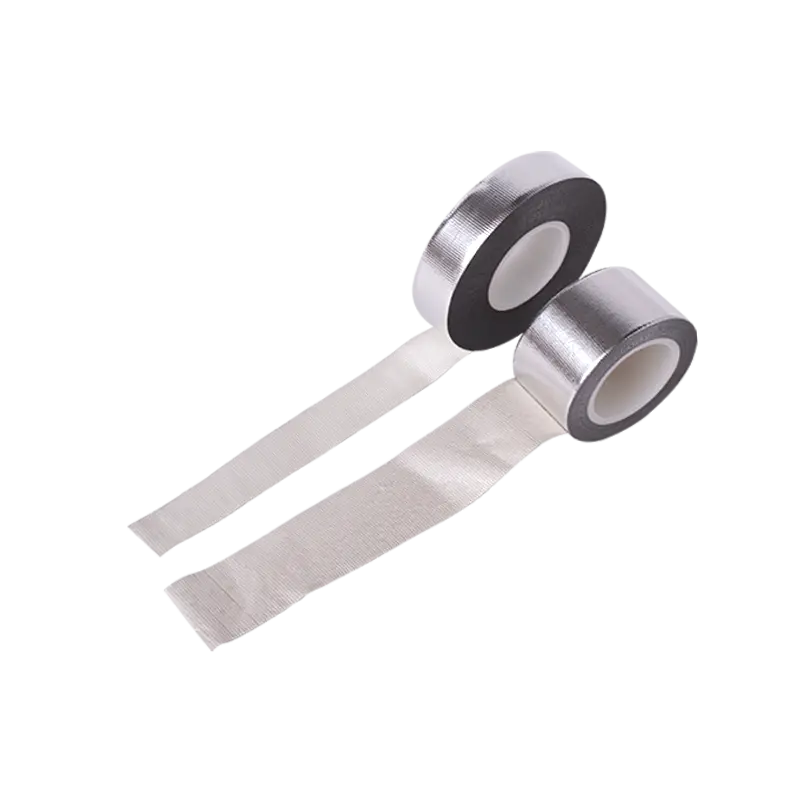
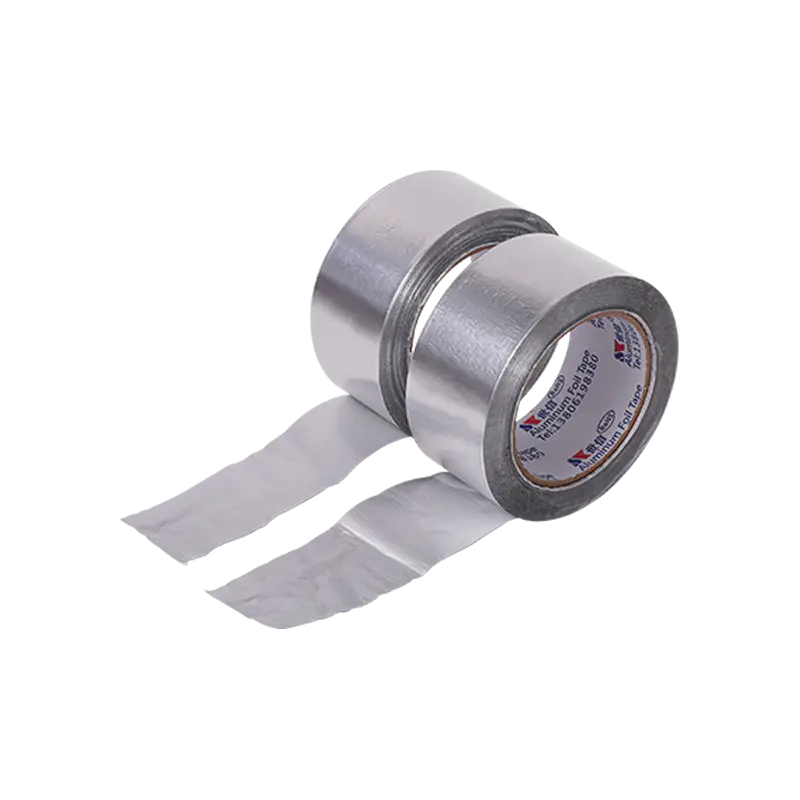
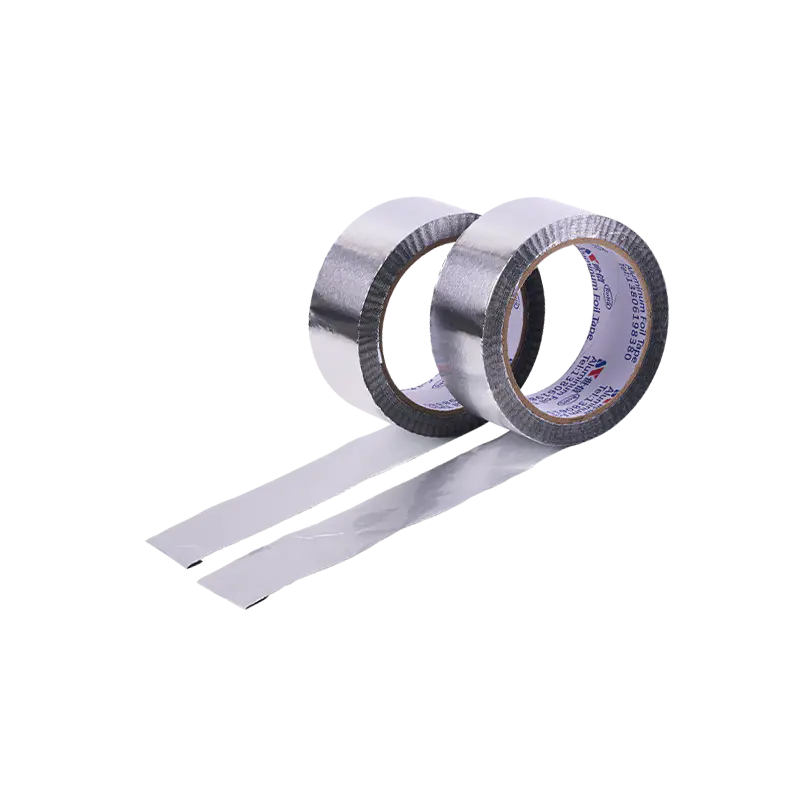
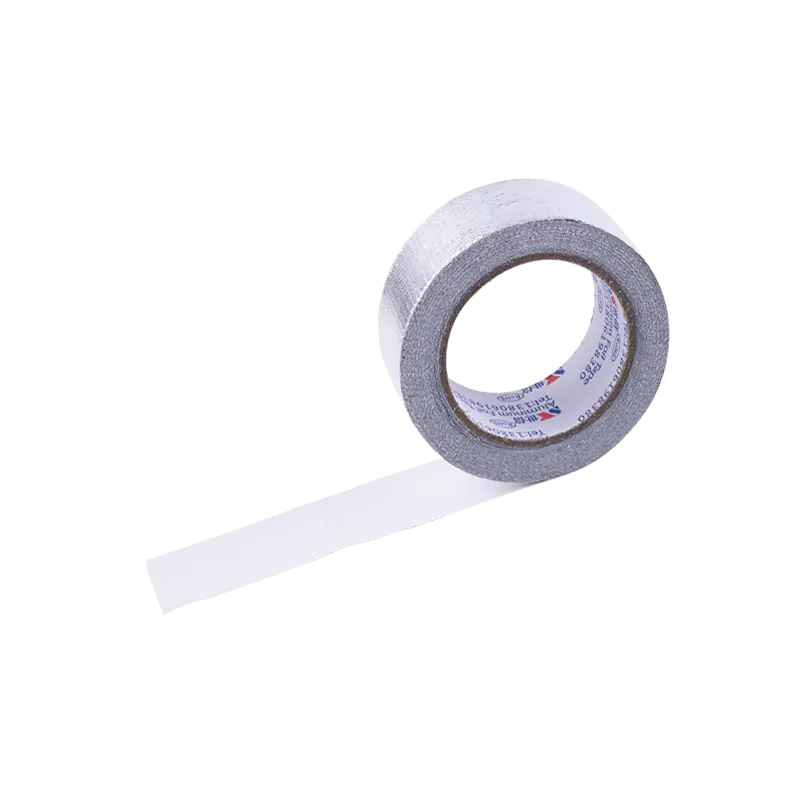
When engineers and procurement specialists evaluate sealing solutions for high-performance environments, one material frequently stands out: Aluminum Foil Adhesive Tape. This product combines the durability of metal with the convenience of a pressure-sensitive adhesive. It is not a simple household tape. Instead, it represents a precise engineering material used in critical sectors like HVAC, automotive manufacturing, and aerospace insulation. Understanding its technical specifications is essential for making informed bulk purchasing decisions.
To select the right product for a B2B application, one must examine the substrate thickness, adhesive type, and temperature resistance. High-grade variants typically use a dead-soft aluminum foil backing. The thickness ranges from 0.05mm to 0.12mm for standard industrial use. The adhesive system is usually a solvent-based acrylic or a high-performance silicone. These materials ensure that the tape remains stable in extreme temperatures, often ranging from -30°C to +150°C.
Engineers look for specific metrics when selecting materials. These include tensile strength, elongation percentage, and thermal conductivity. A quality Aluminum Foil Adhesive Tape will often feature a tensile strength exceeding 40 N/cm. This ensures it can handle mechanical stress during installation. Additionally, the thermal conductivity of the aluminum backing helps in heat dissipation or reflection, which is critical for insulation projects.
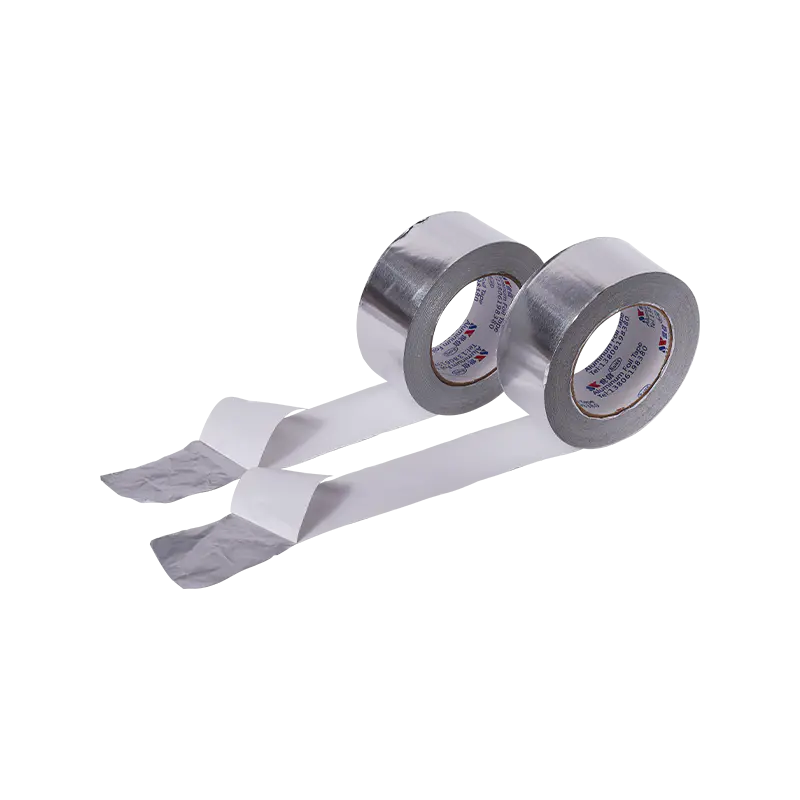
Different applications require different adhesive chemistries. For instance, a rubber-based adhesive might offer immediate tack, while an acrylic adhesive provides long-term UV resistance. Below is a technical comparison of common adhesive types used in this category.
Comparison of Adhesive Systems for Aluminum Foil Tape:
| Adhesive Type | Temperature Range | Key Property |
| Solvent-Based Acrylic | -20°C to 120°C | High UV resistance, long-term durability |
| Silicone | -50°C to 260°C | Extreme high-temperature stability |
| Rubber (Thermoplastic) | 0°C to 80°C | High initial tack, cost-effective |
For procurement teams, specific search terms often guide the purchasing process. The following long-tail keywords reflect real industry needs.
The versatility of Aluminum Foil Adhesive Tape stems from its ability to meet rigorous industry standards. In the HVAC sector, it is often tested to UL 181A/B standards for closure systems. For industrial insulation, it must comply with ASTM E84 for flame spread and smoke development. Engineers value this tape because it provides a vapor barrier that prevents moisture ingress into insulation systems, which can otherwise lead to mold growth and thermal efficiency loss.
In commercial HVAC projects, duct leakage can account for up to 30% of energy loss. Using a certified aluminum foil adhesive tape for HVAC ensures that joints remain sealed under positive and negative pressure. The foil backing acts as a permanent vapor retarder. It does not dry out or crack like traditional duct tape. This makes it a preferred choice for engineers specifying materials for large-scale commercial buildings.
For industrial applications, such as petrochemical plants or power generation facilities, the aluminum foil adhesive tape for insulation serves as a secondary sealing layer. It is applied over metal jacketing to create a weatherproof seal. The tape must resist corrosive atmospheres and temperature cycling. Technical data sheets often specify the tape's adhesion to steel, which should exceed 20 N/25mm to ensure reliability in such harsh conditions.
When sourcing heavy-duty aluminum foil adhesive tape for a project, procurement managers should request specific documentation. This includes the technical data sheet (TDS) and safety data sheet (SDS). It is also crucial to verify the shelf life and storage conditions. Adhesive performance degrades if the tape is stored in high humidity or extreme temperatures before installation.
The demand for aluminum foil adhesive tape waterproof solutions has grown in exterior construction projects. Water intrusion is a primary cause of building envelope failure. A high-quality tape offers impermeable sealing against rain and moisture. The aluminum substrate itself is non-porous, and the adhesive forms a continuous barrier. In testing, such tapes often withstand hydrostatic pressure and salt spray exposure for extended periods.
Comparison of Performance Attributes in Different Environments:
| Attribute | Standard Tape | High Performance Tape |
| Backing Thickness | 0.05 mm - 0.07 mm | 0.08 mm - 0.12 mm |
| Adhesion to Steel | 15 - 20 N/25mm | 25 - 35 N/25mm |
| Temperature Resistance | -20°C to 105°C | -30°C to 150°C+ |
| Vapor Permeance | < 0.05 perm | < 0.01 perm |
The maximum temperature resistance depends on the adhesive chemistry. Silicone-based adhesives typically allow continuous service up to 260°C (500°F), with short-term exposure up to 300°C. Acrylic-based versions usually cap out around 120°C for long-term durability. It is essential to review the manufacturer's technical data sheet, as exceeding the temperature rating can cause adhesive softening or failure.
Yes, but one must select a variant with conductive adhesive if electromagnetic interference (EMI) shielding is required. Standard non-conductive acrylic tapes provide mechanical protection but do not establish electrical continuity. For outdoor use, ensure the tape is rated as UV-resistant and waterproof to prevent degradation from sunlight and moisture exposure.
Aluminum foil tape is superior for HVAC applications. Traditional cloth duct tape is not rated for long-term sealing; it tends to dry out, crack, and lose adhesion over time, especially in temperature-cycled environments. In contrast, aluminum foil tape provides a permanent vapor barrier, adheres firmly to metal surfaces, and meets fire safety codes for duct sealing. Building codes often mandate the use of foil tape or mastic for ductwork, specifically prohibiting cloth tape.
Shelf life is primarily influenced by the adhesive type and storage conditions. Acrylic adhesives generally offer a shelf life of 18 to 24 months when stored in a cool, dry environment (ideally 20°C and 50% relative humidity). Rubber-based adhesives have a shorter shelf life, typically 12 months. Exposure to high humidity, direct sunlight, or extreme temperatures can accelerate adhesive degradation, leading to reduced tack or hardening of the adhesive layer.

Our company has been engaged in the tape manufacturing industry for more than 20 years, and has been focusing on various types of aluminum foil tapes, foam tapes, refrigerator tapes, etc.
IsabelLina
Email:[email protected]
Mobile/Whatsapp: +86 190 3379 1110
Mars Gong
Email:[email protected]
Mobile/Whatsapp: +86 159 5136 0053
Address: West side of Yingbin Avenue and south side of hengwang packaging. Suqian Economic and Technological Development Zone,Jiangsu Province
Copyright © Jiangsu Shixin Adhesive Tape Product Co., Ltd. All Rights Reserved. Custom ODM Refrigerator Foil Adhesive Tapes Manufacturers