2026-09-24
Content
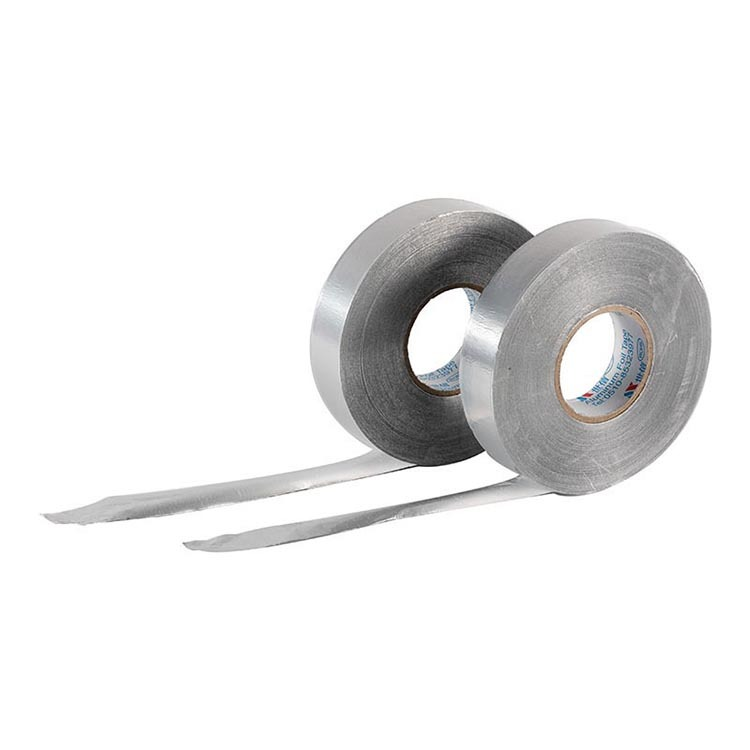
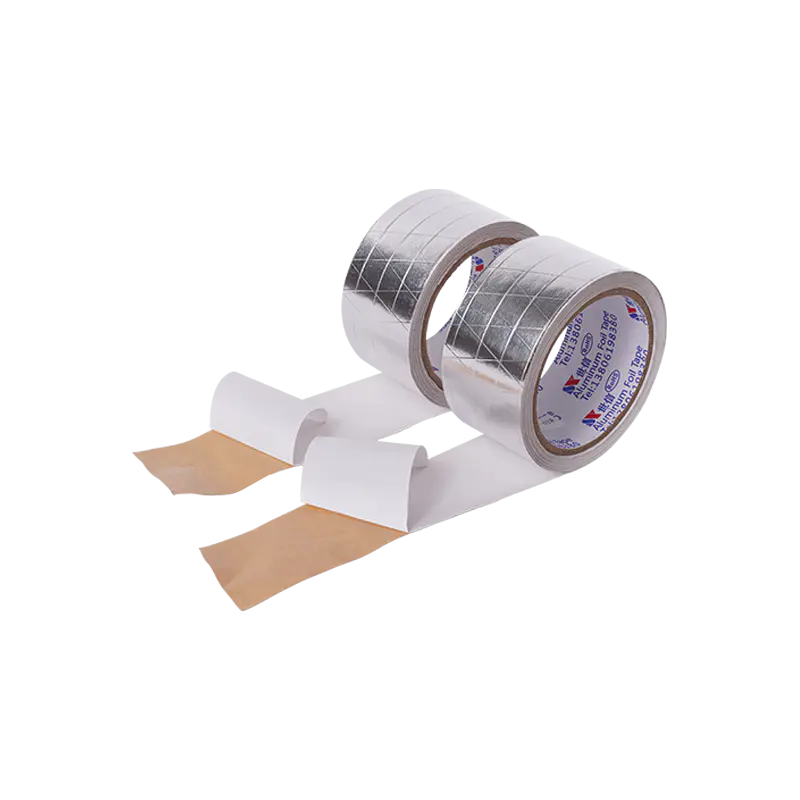
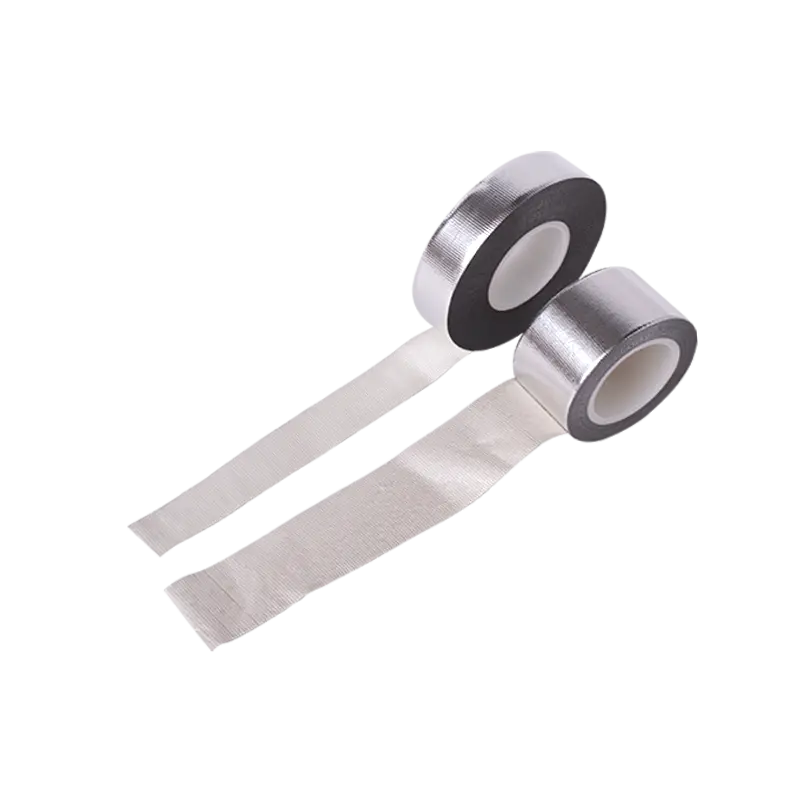
Industrial maintenance teams face critical decisions when selecting sealing and repair materials for HVAC systems, high-temperature equipment, and metal structures. Aluminum foil repair tape serves as a versatile solution for temporary fixes and permanent sealing applications, yet material specifications vary significantly across product categories. This technical guide examines performance characteristics, adhesive chemistries, and application methodologies to support informed procurement decisions for industrial environments.
Established in 2005 and covering a factory area of nearly 11,000 square meters with 100 employees, our manufacturing facility has evolved over two decades into a high-tech enterprise integrating R&D, production, and sales. We specialize in premium adhesive solutions, including comprehensive aluminum foil tape portfolios, PU/PE/NBR foam solutions, and film tape systems. Trusted by global appliance manufacturers and industrial clients, we deliver 10%-15% cost savings compared to EU suppliers through scale production and localized supply chain optimization, maintaining RoHS, REACH, ISO 9001, ISO 14001, and SGS certifications.
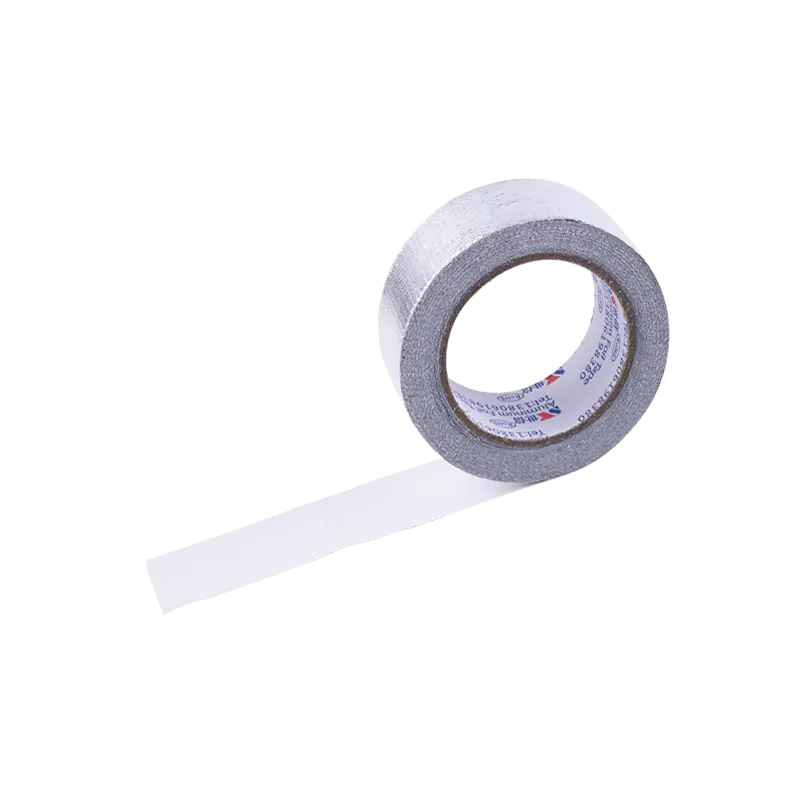
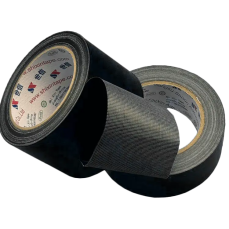
The fundamental distinction between industrial-grade aluminum foil repair tape and consumer-oriented duct tape lies in substrate composition, adhesive formulation, and long-term durability expectations. While both categories provide temporary sealing solutions, their performance diverges significantly under thermal stress, UV exposure, and mechanical loading.
Aluminum foil substrates offer inherent advantages for high-temperature applications. Dead-soft annealed aluminum foil (O-temper) provides conformability to irregular surfaces while maintaining thermal conductivity of approximately 205 W/m·K, enabling heat dissipation in overheating equipment repairs. Standard duct tape utilizes polyethylene-coated cloth substrates that degrade above 80°C, limiting applications to ambient temperature environments.
Comparative thermal analysis reveals critical performance differentiators:
| Property | Aluminum Foil Repair Tape | Cloth Duct Tape | Performance Implication |
| Maximum service temperature | +120°C to +200°C | +60°C to +80°C | Foil tape suitable for HVAC and engine compartments |
| Minimum service temperature | -40°C | -10°C | Foil tape maintains flexibility in freezer applications |
| Moisture vapor transmission rate | 0.3-0.5 g/m²/24h | 15-25 g/m²/24h | Foil tape provides superior vapor barrier performance |
| Tensile strength | 40-150 MPa (depending on reinforcement) | 25-40 MPa | Foil tape withstands higher mechanical stress |
| UV resistance | Excellent (aluminum reflects UV) | Poor (polyethylene degrades) | Foil tape suitable for outdoor exposure |
| Electrical conductivity | Conductive ( EMI shielding capable) | Insulating | Foil tape provides grounding and shielding functions |
Pressure-sensitive adhesive selection determines bond durability, chemical resistance, and application temperature range. Industrial aluminum foil repair tape formulations utilize solvent acrylic or silicone-modified acrylic systems cross-linked for environmental stability, while commodity duct tapes employ hot-melt rubber adhesives optimized for initial tack rather than longevity.
Acrylic adhesive systems demonstrate superior aging characteristics:
Rubber-based hot-melt adhesives, common in duct tape,e exhibit rapid degradation under thermal cycling, with peel strength reductions of 40-60% within 12 months of outdoor exposure.
Heating, ventilation, and air conditioning systems represent the primary application domain for aluminum foil repair tape for HVAC ductwork. Duct sealing requirements encompass vapor barrier integrity, thermal insulation continuity, and mechanical reinforcement of joint connections.
Commercial and residential HVAC systems lose 20-30% of conditioned air through duct leakage when improperly sealed, according to Department of Energy studies. Aluminum foil repair tape for HVAC ductwork addresses leakage points through conformable sealing of longitudinal seams, transverse joints, and penetration points for instrumentation and dampers.
Critical application parameters include:
Reinforcement options enhance mechanical performance in high-stress applications:
| Application Requirement | Standard Aluminum Foil Tape | FSK Reinforced Tape | SS Reinforced Tape |
| Static duct sealing | Adequate | Recommended | Optional |
| High-velocity systems (>10 m/s) | Insufficient | Recommended | Recommended |
| Flexible duct connections | Poor (tears easily) | Good | Excellent |
| Vibration environments | Insufficient | Good | Excellent |
| Tear resistance | Baseline (5 N/cm) | 300% of baseline | 500% of baseline |
| Cost premium | Baseline | +15-20% | +25-35% |
Fibrous glass duct insulation requia res vapor barrier facing to prevent condensation-driven moisture accumulation and microbial growth. Aluminum foil repair tape restores compromised facing through compatible adhesion to existing foil-scrim-kraft (FSK) or all-service jacket (ASJ) surfaces.
Restoration protocols specify:
Beyond standard HVAC applications, industrial maintenance requires high-temperature aluminum foil repair tape capable of withstanding extreme thermal conditions in process equipment, exhaust systems, and thermal processing machinery.
High-temperature performance depends on both substrate stability and adhesive thermal resistance. Standard solvent acrylic adhesives service temperatures up to 120°C, while silicone-modified formulations extend operational ranges to 200°C continuous exposure with short-term peaks to 250°C.
Temperature classification for industrial applications:
High-temperature aluminum foil repair tape utilizes specialized adhesive formulations:
| Adhesive Type | Continuous Temperature Limit | Peak Temperature | Chemical Resistance | Primary Applications |
| Solvent acrylic | +120°C | +150°C | Good (oils, refrigerants) | HVAC, appliances, and general industrial |
| Solvent acrylic (cross-linked) | +150°C | +180°C | Excellent | Automotive under-hood, compressors |
| Silicone-modified acrylic | +200°C | +250°C | Excellent (including brake fluid) | Exhaust wraps, industrial heating |
| Silicone rubber | +260°C | +300°C | Excellent (chemical processing) | Heat treatment, aerospace |
| Ceramic-filled silicone | +1000°C | +1200°C | Limited (specialized) | Extreme heat shields, foundries |
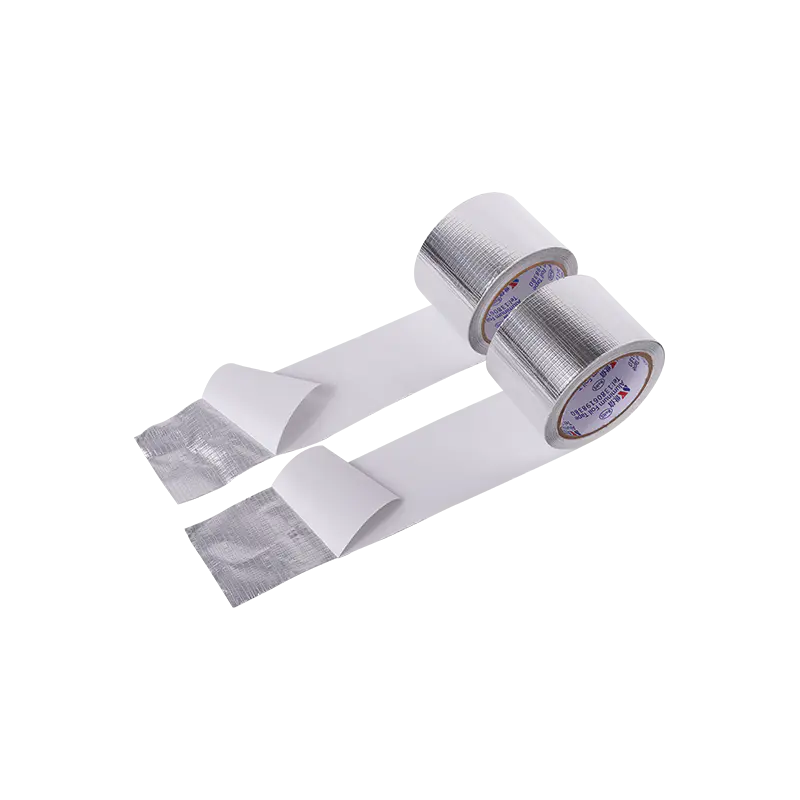
Plain aluminum foil exhibits limited tear resistance and puncture strength, constraining applications in abrasive or high-vibration environments. Fiberglass-reinforced aluminum foil repair tape addresses these limitations through the incorporation of woven glass fiber scrim within the laminate structure.
Reinforcement mechanics and benefits:
Reinforcement density options:
| Scrim Configuration | Mesh Count (ends/cm) | Tensile Strength (MPa) | Flexibility | Weight Increase |
| Light scrim (LS) | 2.5 x 2.5 | 65 | Excellent | +10% |
| Standard scrim (FSK) | 5.0 x 5.0 | 85 | Good | +18% |
| Heavy scrim (SS) | 7.5 x 7.5 | 120 | Moderate | +28% |
| Double scrim (DS) | 10.0 x 10.0 | 150 | Limited | +40% |
Metal structures exposed to weathering, chemical splash, or condensation require sealing solutions combining vapor impermeability with electrochemical compatibility. Waterproof aluminum foil repair tape for metal provides barrier protection against moisture ingress while preventing galvanic corrosion in dissimilar metal assemblies.
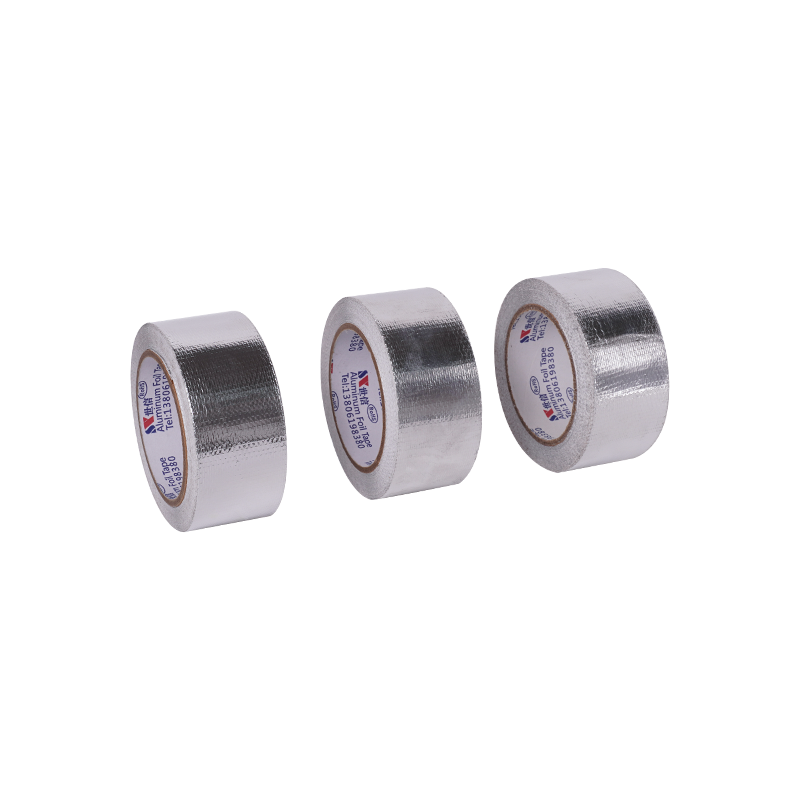
Roofing, gutter systems, and outdoor ductwork face continuous UV exposure, thermal cycling, and moisture loading. Aluminum foil substrates inherently resist UV degradation through surface reflectivity, while specialized adhesive formulations prevent water whitening and adhesion loss under saturated conditions.
Waterproofing performance characteristics:
Environmental exposure test results:
| Test Condition | Duration | Performance Criteria | Pass/Fail Threshold |
| UV exposure (QUV-A) | 2,000 hours | Peel adhesion retention | >80% of initial |
| Water immersion | 168 hours at 23°C | No edge lifting or blistering | Visual inspection |
| Humidity resistance | 1,000 hours at 85°C/85% RH | No adhesive flow or oozing | Visual inspection |
| Salt spray (ASTM B117) | 500 hours | No corrosion under tape | Rating 10 (no corrosion) |
| Thermal shock | 100 cycles (-40°C to +85°C) | No cracking or delamination | Visual inspection |
Contact between dissimilar metals in the presence of an electrolyte creates galvanic cells, accelerating corrosion. Waterproof aluminum foil repair tape for metal serves as a dielectric barrier, preventing electron transfer between metals such as aluminum and steel, or copper and galvanized surfaces.
Barrier protection mechanisms:
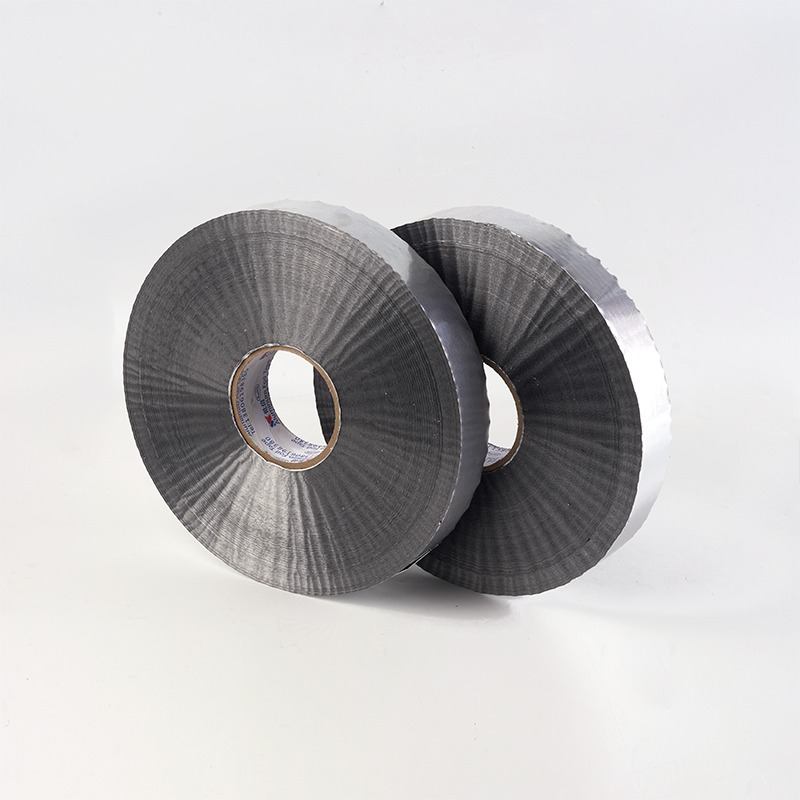
Industrial procurement decisions increasingly consider application efficiency, waste reduction, and automation compatibility. Self-adhesive aluminum foil repair tape without a liner represents an advanced format addressing sustainability and productivity objectives.
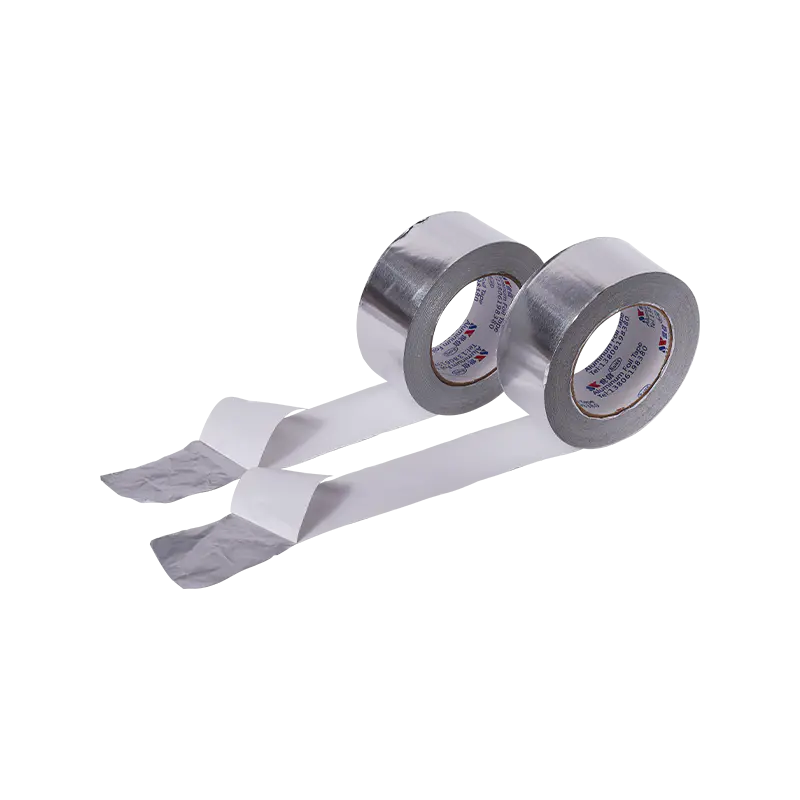
Traditional pressure-sensitive tapes utilize silicone-coated paper or film liners to prevent adhesive-to-adhesive contact in roll winding. Self-adhesive aluminum foil repair tape without a liner employs self-wound construction where the adhesive surface contacts a release-coated foil backing on the adjacent layer.
Format comparison for industrial users:
| Parameter | Self-Wound (Linerless) | Paper Liner Construction | Film Liner Construction |
| Material efficiency | 98% (no liner waste) | 80-85% (liner disposal) | 75-80% (liner disposal) |
| Application speed | Up to 60 m/min automated | Up to 40 m/min (liner removal) | Up to 35 m/min (liner removal) |
| Storage stability | Excellent (protected adhesive) | Good | Good |
| Initial tack development | Immediately upon unwinding | Delayed (liner handling) | Delayed (liner handling) |
| Roll diameter efficiency | +25% product per roll | Baseline | -10% (film liner bulk) |
| Carbon footprint | -20% (no liner production) | Baseline | +15% (film production) |
Our manufacturing infrastructure supports tailored specifications addressing unique application requirements:
Quality assurance protocols include:
Industrial procurement requires objective performance data supporting specification compliance. Standardized test methods provide comparative metrics for aluminum foil repair tape evaluation.
Peel adhesion measurement per ASTM D3330 quantifies the force required to separate tape from standardized test panels at a 180° angle and a 300mm/min separation rate. Values vary by substrate and surface preparation:
| Test Substrate | Surface Preparation | Peel Adhesion (N/cm) | Failure Mode |
| Stainless steel (304) | IPA wipe | 6.5-8.0 | Adhesive separation |
| Aluminum (6061-T6) | Abrasion + solvent | 7.0-9.0 | Cohesive failure |
| Galvanized steel | Degreaser wash | 5.5-7.0 | Adhesive separation |
| Painted steel (epoxy) | Scuff + IPA | 4.5-6.0 | Adhesive separation |
| Fibrous glass insulation | Brush clean | 3.5-5.0 | Substrate failure |
Accelerated aging protocols simulate long-term environmental exposure:
Practical implementation of aluminum foil repair tape spans diverse industrial sectors with specific performance demands.
Facility management applications include:
Refrigeration and cooking equipment production utilizes foil tape for:
Automotive and heavy equipment applications demand vibration resistance and temperature extremes:
Aluminum foil repair tape provides permanent sealing when properly applied to clean, dry, mechanically sound substrates. Permanent sealing requires surface preparation,n including removal of oils, dust, and oxidation, to achieve surface energy above 38 dynes/cm. Application must ensure 25-50% overlap on seams with adequate pressure (15-20 N/cm²) for adhesive wet-out. For high-pressure systems exceeding 2.5 kPa static pressure, mechanical fastening supplemented with tape sealing provides optimal longevity. Field studies demonstrate 15-20 year service life for properly installed foil tape seals in residential and commercial HVAC systems.
High temperature aluminum foil repair tape service temperature depends on the adhesive formulation. Standard solvent acrylic adhesives service -40°C to +120°C continuously. High-temperature grades with cross-linked acrylic or silicone modification extend range to -40°C to +200°C continuous, with short-term peaks to +250°C. Ultra-high temperature ceramic-filled silicone tapes achieve +1000°C service for specialized heat shielding. Selection requires matching tape rating to actual operating conditions, including safety margins for peak loads and malfunction scenarios. For automotive exhaust applications, silicone-modified acrylic or pure silicone adhesives are mandatory due to continuous temperatures exceeding 180°C.
Fiberglass reinforcement is not universally required but provides critical advantages in specific scenarios. Fiberglass-reinforced aluminum foil repair tape becomes essential for applications involving mechanical stress, vibration, or handling abrasion. Standard plain foil suffices for static duct sealing on smooth surfaces without mechanical disturbance. However, flexible duct connections, mobile equipment, and high-velocity systems benefit from 300-500% tear strength improvement provided by FSK or SS reinforcement. Cost-benefit analysis indicates reinforcement investment (+15-35% material cost) prevents labor-intensive rework in demanding applications, delivering net savings over the system lifecycle.
Self-adhesive aluminum foil repair tape without a liner eliminates silicone-coated paper or film liners, delivering multiple efficiency gains. Material utilization increases to 98% versus 75-85% for lined products, reducing waste disposal costs. Automated application speeds increase to 60 m/min without liner removal stations, reducing capital equipment requirements. Roll diameters contain 25% more product per given size, reducing changeover frequency and inventory storage. Sustainability metrics improve through the elimination of linear manufacturing and disposal impacts, supporting corporate environmental objectives. The format particularly benefits high-volume manufacturers with automated dispensing equipment and established waste reduction programs.
Essential certifications include ISO 9001 (quality management system), ISO 14001 (environmental management), and product-specific testing by accredited bodies. RoHS compliance confirmsthe restriction of hazardous substances, including lead, cadmium, mercury, and hexavalent chromium. REACH compliance addresses EU chemical registration and SVHC (substance of very high concern) disclosure. SGS or equivalent third-party testing provides independent verification of performance claims, including peel adhesion, shear strength, and temperature resistance. For specific industries, UL 723 (flame spread and smoke developed indices) and MIL-PRF-131 (military packaging barrier properties) demonstrate capability for regulated applications. Procurement teams should request current certificates with expiration dates and scope of accreditation rather than accepting outdated or generic documentation.
The selection of appropriate aluminum foil repair tape requires a systematic analysis of the application temperature range, mechanical loading, environmental exposure, and substrate compatibility. The five specialized variants examined—aluminum foil repair tape for HVAC ductwork, high temperature aluminum foil repair tape, waterproof aluminum foil repair tape for metal, fiberglass reinforced aluminum foil repair tape, aand self-adhesivealuminum foil repair tape without liner—address distinct operational requirements across industrial maintenance, manufacturing, and construction sectors.
Technical specification at the engineer level, supported by standardized testing and certification verification, ensures repair longevity matching asset service life. Partnership with vertically integrated manufacturers possessing comprehensive quality systems and customization capabilities provides supply security and technical support essential for critical industrial applications.

Our company has been engaged in the tape manufacturing industry for more than 20 years, and has been focusing on various types of aluminum foil tapes, foam tapes, refrigerator tapes, etc.
IsabelLina
Email:[email protected]
Mobile/Whatsapp: +86 190 3379 1110
Mars Gong
Email:[email protected]
Mobile/Whatsapp: +86 159 5136 0053
Address: West side of Yingbin Avenue and south side of hengwang packaging. Suqian Economic and Technological Development Zone,Jiangsu Province
Copyright © Jiangsu Shixin Adhesive Tape Product Co., Ltd. All Rights Reserved. Custom ODM Refrigerator Foil Adhesive Tapes Manufacturers