2026-09-24
Content
In industrial environments, engineers and procurement specialists constantly seek materials that can withstand extreme conditions. Fiberglass adhesive tape has emerged as a critical solution for applications requiring thermal resistance, electrical insulation, and mechanical strength. This article explores the technical specifications, selection criteria, and real-world uses of this versatile material, catering specifically to B2B buyers and technical professionals.
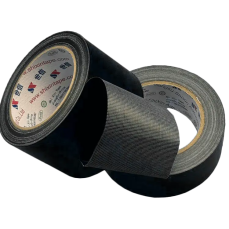
The performance of any fiberglass adhesive tape begins with its core structure. The base is a woven fiberglass fabric, which provides exceptional tensile strength and dimensional stability. This substrate is then coated with a specialized adhesive system. The manufacturing process involves strict control of weave density, which typically ranges from 16 to 20 threads per inch, and adhesive coating weight, often between 60 and 80 grams per square meter. These parameters directly influence the tape's final properties, such as dielectric strength and adhesion to various substrates.
For industrial buyers, evaluating fiberglass adhesive tape requires a focus on quantifiable metrics. Critical parameters include continuous operating temperature, tensile strength, and breakdown voltage. These specifications ensure the tape meets the demands of applications like coil wrapping, furnace sealing, and cable harnessing.
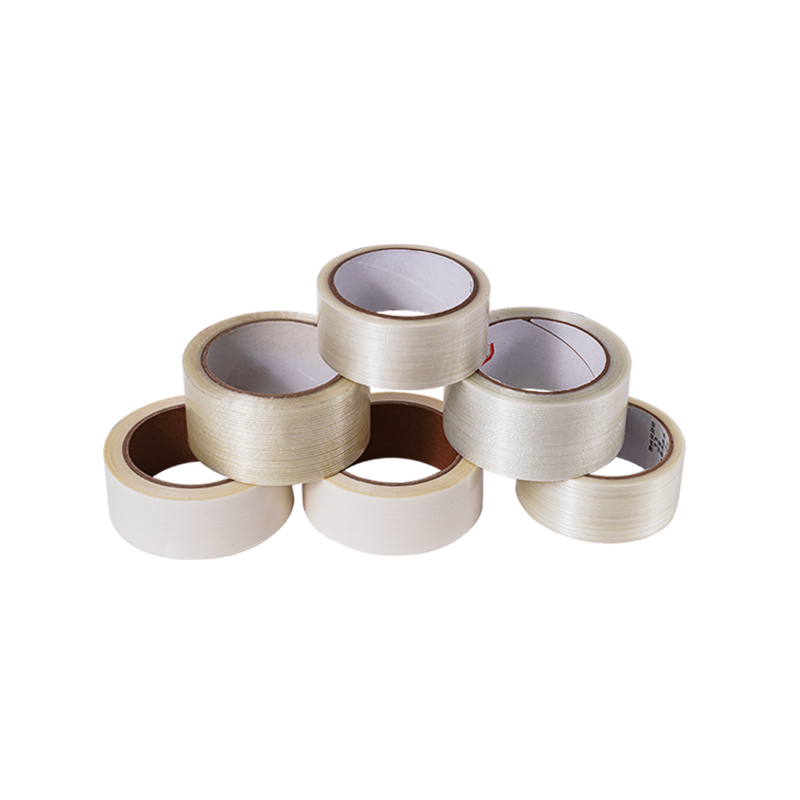
High-performance variants, often searched as high temperature fiberglass adhesive tape, maintain adhesion integrity at up to 200°C continuously, with short-term peaks reaching 300°C. The adhesive is typically a silicone-based polymer, chosen for its stability under thermal cycling. This contrasts with acrylic adhesives, which offer better UV resistance but lower thermal thresholds.
Another common search is for electrical insulation fiberglass tape. These products are engineered to provide dielectric strength exceeding 3,000 volts per mil of thickness. For applications in transformers or electric motors, the tape must also exhibit low moisture absorption (typically below 0.5% by weight) to prevent insulation degradation over time. The combination of fiberglass's inherent dielectric properties and a high-quality adhesive makes it a standard for Class F or H insulation systems.
When selecting materials for demanding environments, it is crucial to compare fiberglass adhesive tape with other technical tapes. The following table outlines the distinctions based on core performance criteria, which is particularly useful for sourcing decisions related to industrial fiberglass adhesive tape and silicone adhesive fiberglass tape.
| Property | Fiberglass Adhesive Tape | Polyimide (Kapton) Tape | PVC Electrical Tape |
|---|---|---|---|
| Continuous Temperature Range | -70°C to 200°C | -70°C to 260°C | 0°C to 80°C |
| Tensile Strength (N/25mm) | 400–600 | 200–300 | 50–100 |
| Dielectric Strength (kV/mm) | 10–15 | 12–18 | 8–10 |
| Conformability | Moderate | High | High |
| Flame Retardancy | Excellent (inherent) | Excellent | Moderate (additives) |
As shown, while polyimide tape offers a slightly higher peak temperature, fiberglass adhesive tape provides superior tensile strength and better structural integrity for heavy-duty wrapping and holding applications. PVC tapes, conversely, are limited to lower-temperature environments and lack the mechanical robustness required in industrial settings.
For professionals searching for fiberglass tape for coil wrapping, the primary concern is edge tear resistance and conformability around irregular wire bundles. A balanced weave with a soft finish is preferred to prevent damage to the enamel coating on magnet wire. The tape's thickness, typically between 0.1 mm and 0.3 mm, must be selected to avoid excessive build-up in the coil end turns.
In scenarios requiring a robust, non-stick surface, such as in sealing ovens or as a thermal barrier, the variant silicone adhesive fiberglass tape is the standard. The silicone adhesive not only withstands high heat but also provides a release surface that prevents residue adhesion. This is critical in food processing machinery and composite manufacturing molds.
Legitimate B2B supply chains demand compliance with established standards. Reputable fiberglass adhesive tape products should meet or exceed UL 510 for flame retardancy and ASTM D1000 for standard test methods for pressure-sensitive tapes. Certifications such as RoHS and REACH are non-negotiable for electronic applications. Buyers should request material safety data sheets (MSDS) and third-party test reports to verify claims regarding tensile strength and thermal aging performance.

Our company has been engaged in the tape manufacturing industry for more than 20 years, and has been focusing on various types of aluminum foil tapes, foam tapes, refrigerator tapes, etc.
IsabelLina
Email:[email protected]
Mobile/Whatsapp: +86 190 3379 1110
Mars Gong
Email:[email protected]
Mobile/Whatsapp: +86 159 5136 0053
Address: West side of Yingbin Avenue and south side of hengwang packaging. Suqian Economic and Technological Development Zone,Jiangsu Province
Copyright © Jiangsu Shixin Adhesive Tape Product Co., Ltd. All Rights Reserved. Custom ODM Refrigerator Foil Adhesive Tapes Manufacturers