2026-09-24
Content
A compromised duct system is more than a minor inconvenience; it is a primary source of energy waste and mechanical strain. Utilizing high-performance HVAC duct repair tape addresses several critical operational concerns:
The term “repair tape” in a professional HVAC context refers to a category of tapes that meet specific UL (Underwriters Laboratories) standards. These tapes are not merely adhesive strips but act as a structural seal. They must provide a permanent bond to various substrates, including galvanized steel, aluminum, and flexible polyethylene ducting.
To quantify the impact of professional-grade sealing, the following table illustrates the performance differences between a system with typical leaks versus one reinforced with high-grade HVAC duct repair tape.
| Performance Metric | Unsealed/Leaking System | Sealed with Professional Tape |
|---|---|---|
| Static Pressure Maintenance | Inconsistent / Low | Stable / High Efficiency |
| Air Leakage Rate | 15% - 40% Loss | < 5% Loss |
| Energy Consumption | High (Increased cycles) | Optimized (Lower runtime) |
| Moisture Barrier | Non-existent (Prone to condensation) | Superior (Prevents CUI) |
| Service Life of Seal | < 1 year (Duct tape failure) | 20+ years (UL-rated Acrylic) |
For a repair to be considered professional, the HVAC duct repair tape must offer a “permanent” fix. This requires an adhesive that can handle thermal cycling-the repeated expansion and contraction of metal ducts as the system switches between heating and cooling modes. High-quality tapes utilize solvent acrylic adhesives that actually strengthen their bond over time, ensuring the system remains airtight throughout its operational lifecycle.
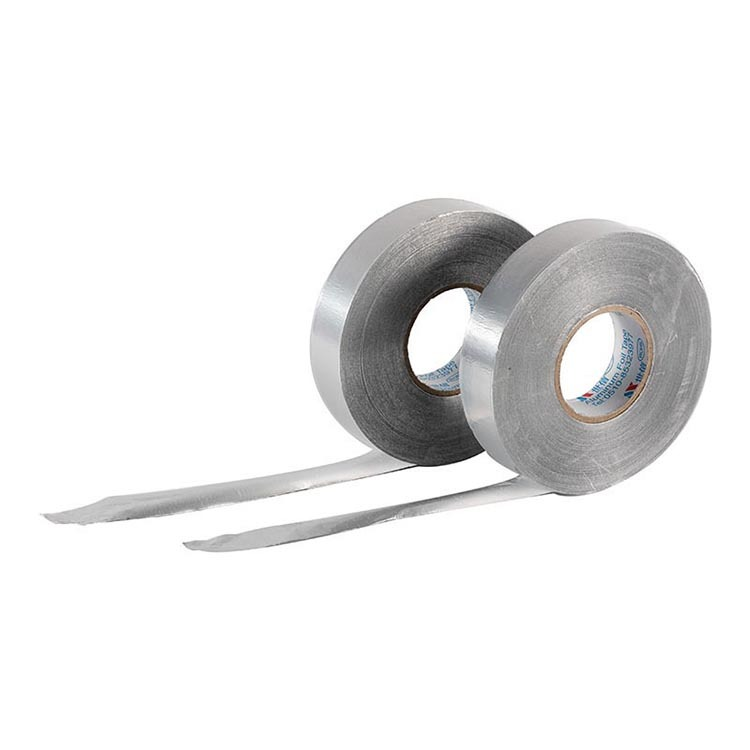
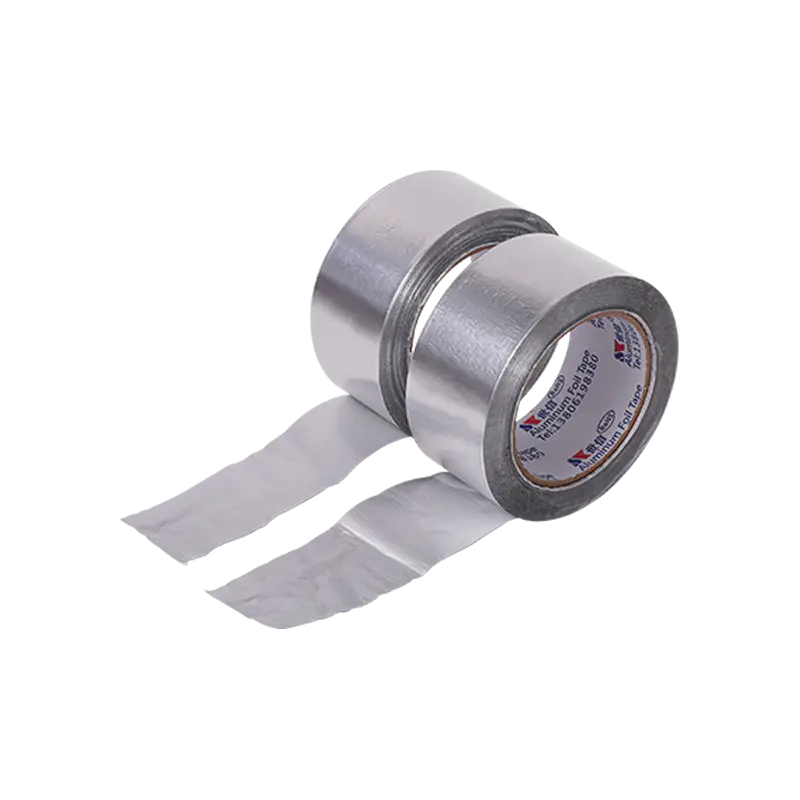
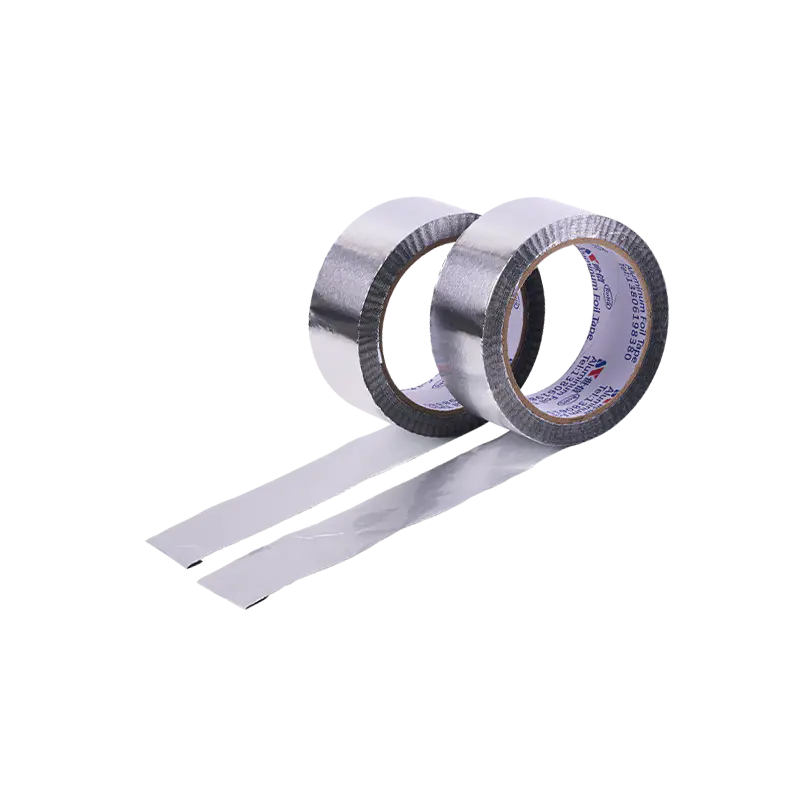
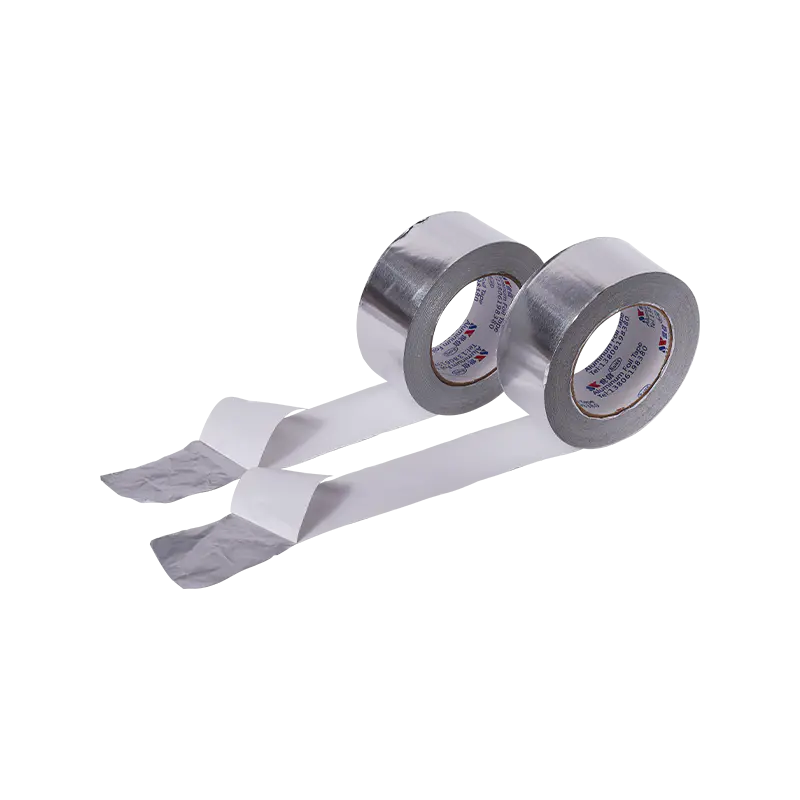
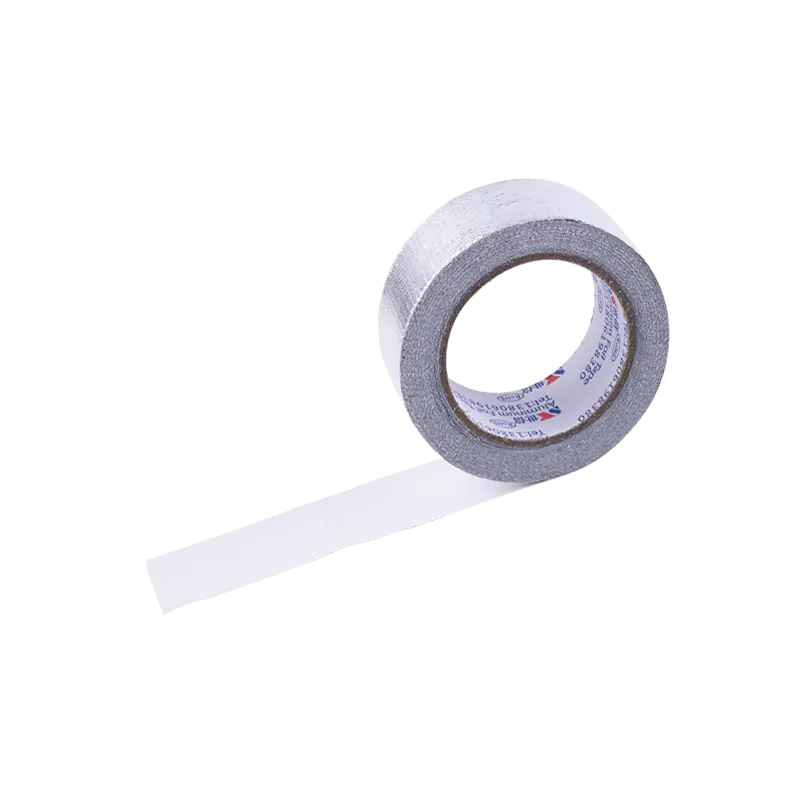
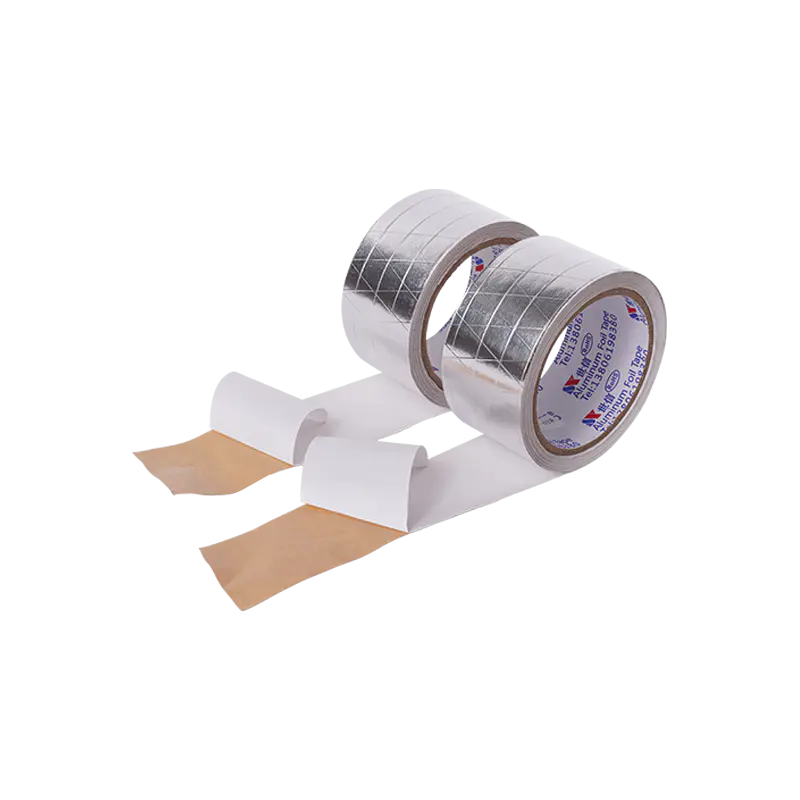
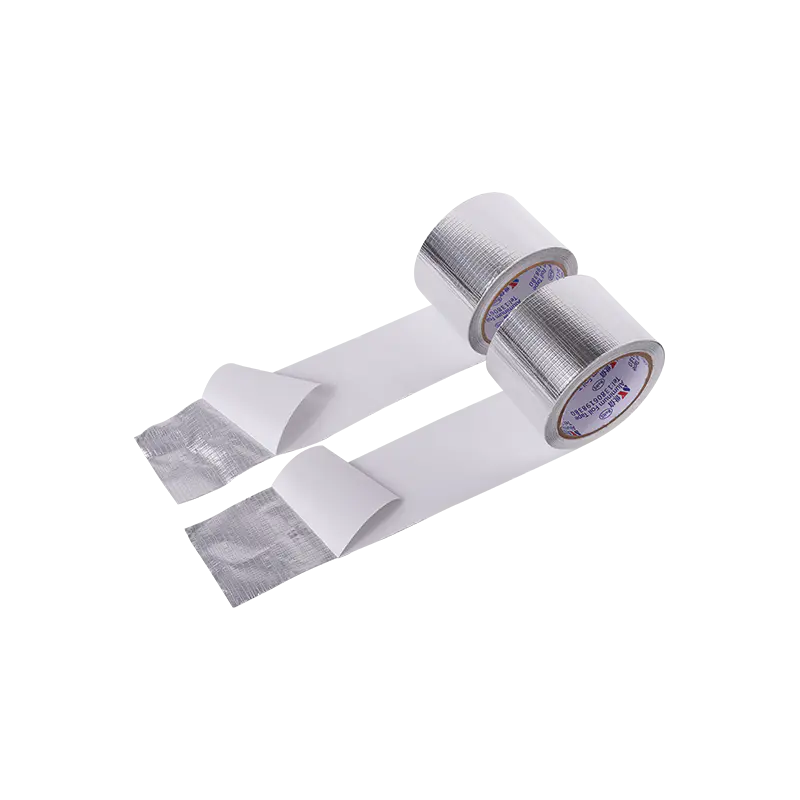
Aluminum foil tape is the primary choice for sealing rigid metal ductwork. It consists of a “dead-soft” aluminum carrier coated with a high-performance solvent acrylic adhesive. Its metallic nature makes it an absolute vapor barrier, preventing any air or moisture exchange at the joints.
In professional contracting, tapes must often meet specific Underwriters Laboratories (UL) standards to pass building inspections. These are not just material types but regulatory performance classifications.
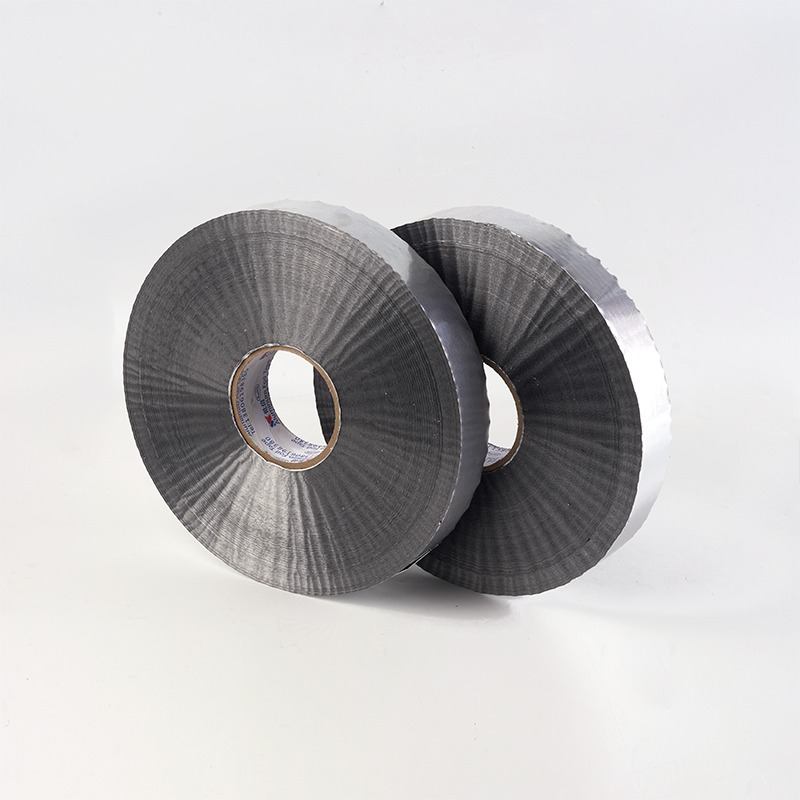
For repairs involving large gaps or uneven surfaces, mastic tapes provide a thick layer of butyl rubber or modified asphalt. They act as a “gasket in a roll,” providing extraordinary thickness to fill structural voids where standard thin-film tapes might fail.
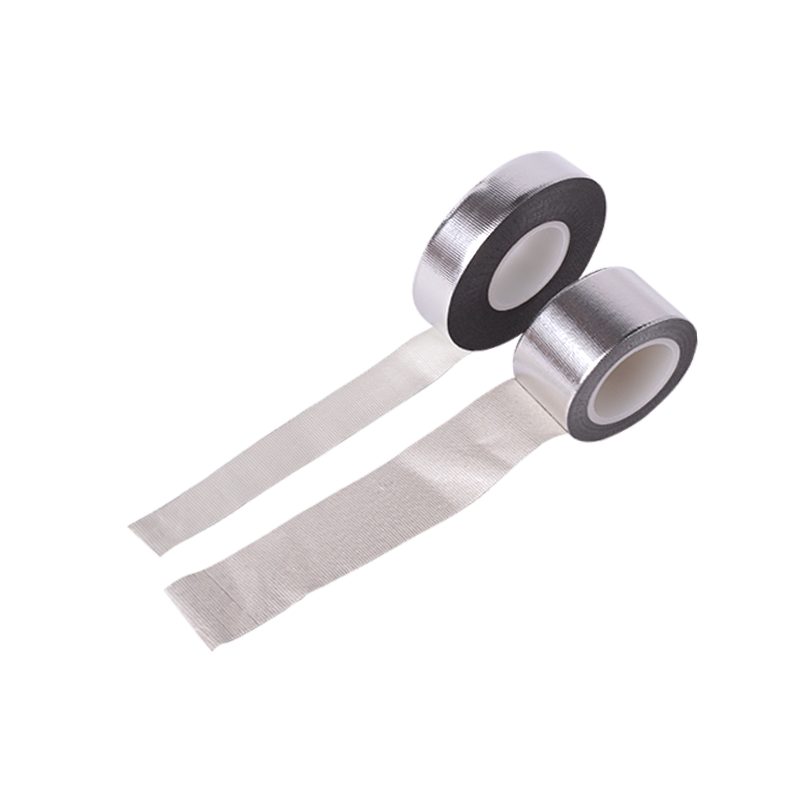
The following table compares the primary technical specifications for the most common HVAC duct repair tape categories used in industrial and residential settings.
| Technical Property | Aluminum Foil Tape | UL 181B-FX (Film/Cloth) | Butyl Mastic Tape |
|---|---|---|---|
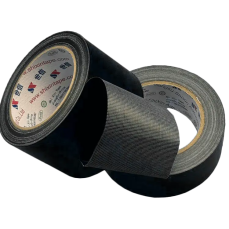
| Backing Material | Dead-soft Aluminum | BOPP / Metallized Cloth | Foil-laminated Butyl |
| Adhesive Type | Solvent Acrylic | High-tack Acrylic | Butyl Rubber Compound |
| Temperature Range | -35°C to +120°C | -20°C to +90°C | -40°C to +110°C |
| Vapor Permeability | 0.00 Perms (Absolute) | Low to Moderate | Low |
| Conformability | Excellent (Molds to shape) | Superior (Flexible) | Moderate (High thickness) |
| Ideal Substrate | Galvanized Metal / Foil Board | Polyethylene Flex Duct | Uneven Joints / Roof Vents |
When reviewing HVAC duct repair tape, the choice of adhesive is as critical as the backing. Acrylic adhesives are preferred for long-term applications because they are resistant to heat and UV, actually becoming stronger over time. Rubber-based adhesives offer a much higher “initial tack” (instant grab), which is useful for rapid assembly in temperate indoor environments but may fail under extreme thermal cycling over several seasons.
Adhesion strength refers to the tape’s ability to stick to specific substrates, such as galvanized steel, aluminum, or plastic. Professional-grade tapes are tested using the ASTM D-3330 standard to measure “peel adhesion”-the force required to remove the tape from a surface.
Since HVAC systems are pressurized, the tape must possess high tensile strength to resist bursting or tearing at the seams. Puncture resistance is equally vital, especially when sealing ducts in crawlspaces or attics where mechanical damage may occur during routine maintenance.
Ductwork experiences extreme thermal cycling. The tape must remain pliable in the winter (during heating cycles) and retain its shear strength in the summer (during cooling). High-quality HVAC duct repair tape is rated for a “Service Temperature Range” that far exceeds standard ambient conditions.
The following table provides a comparative look at the performance parameters required for different duct sealing environments.
| Performance Metric | Standard Residential Grade | High-Performance Industrial Grade |
|---|---|---|
| Peel Adhesion (to Steel) | 40 - 50 oz/inch | 60 - 100+ oz/inch |
| Tensile Strength | 20 - 25 lbs/inch | 35 - 50+ lbs/inch |
| Minimum Application Temp | +10°C (50°F) | -20°C (-4°F) (All-weather grade) |
| Maximum Service Temp | +80°C (176°F) | +120°C to +150°C (248°F - 302°F) |
| Flame Spread Index | < 25 | < 10 (High Safety) |
| Smoke Developed Index | < 50 | < 10 (High Safety) |
In a vertical duct run or a high-pressure plenum, the tape is subject to “shear”-a sliding force. Shear strength (or creep resistance) measures how well the adhesive resists sliding off the substrate under a constant load. For HVAC duct repair, high shear resistance is mandatory to prevent the tape from flagging or peeling away at the edges over years of operation.
The primary function of a duct seal is to act as a vapor barrier. The Perm Rating measures the amount of water vapor that can pass through the tape. A rating of 0.00 (achieved by solid aluminum foil) is the benchmark for preventing condensation and moisture ingress, which are the leading causes of rust and microbial growth within insulation layers.
In commercial and residential high-velocity systems, galvanized steel ducts are the standard. Joints, seams, and flange connections are prone to air leakage due to vibration and thermal expansion. Aluminum foil tape is the primary solution here, providing a metal-to-metal seal that maintains the system’s static pressure.
Flexible ducts consist of a wire helix encapsulated in a polymer liner, surrounded by fiberglass insulation and a vapor barrier jacket. Repairing these requires a tape with high conformability and elongation. UL 181B-FX rated tapes are mandatory for these applications to ensure the seal can move with the duct without cracking.
Duct boards are rigid sheets of high-density fiberglass. When these boards are fabricated into ducts, the corners and “V-groove” joints must be sealed. This requires a tape-typically UL 181A-P-that can penetrate the fibrous surface to create a structural bond.
The following table illustrates how the technical requirements shift based on the specific HVAC component being repaired.
| Substrate Type | Recommended Tape Grade | Key Application Challenge | Required Tape Property |
|---|---|---|---|
| Galvanized Steel | Heavy-duty Foil (50μm+) | Oil residues and vibration | High Shear Resistance |
| Flexible Polyester | UL 181B-FX (Film/Cloth) | Movement and expansion | High Elongation / Flexibility |
| Fiberglass Board | UL 181A-P (Foil) | Porous, dusty surface | Deep-penetrating Acrylic Adhesive |
| Outdoor Exposed Duct | UV-Stabilized Foil/Mastic | Direct sunlight and rain | Weather and Oxidation Resistance |
Maintaining the thermal envelope of a building requires that all insulation facing (FSK - Foil, Scrim, Kraft) remains intact. HVAC duct repair tape is used to patch tears in the insulation jacket. If left unsealed, moisture-laden air can reach the cold duct surface, leading to liquid water accumulation and eventual system corrosion or insulation collapse.
The plenum is the central manifold where air pressure is at its highest. Sealing the connection between the air handler and the plenum requires a heavy-duty sealant tape, often a butyl mastic, to withstand the constant mechanical turbulence and high-velocity air impact. This prevents the “whistling” noises commonly associated with minor air leaks in high-pressure zones.
Adhesion is a chemical and mechanical process. Most HVAC ductwork is coated with a thin layer of machine oil from the manufacturing process, or it may have accumulated dust and oxidation in existing systems. A “clean-to-the-touch” surface is mandatory for the adhesive to “wet out” properly.
Professional repair tapes use pressure-sensitive adhesives (PSA). Simply smoothing the tape with your hand is often insufficient. To ensure maximum peel adhesion, a plastic squeegee or a specialized rub-down tool should be used.
The temperature during the time of application significantly affects the “initial tack.” If the metal is too cold, the adhesive becomes rigid and cannot flow into the surface pores. Conversely, excessive heat can make the adhesive too fluid for immediate positioning.
The following table outlines the impact of installation variables on the resulting structural seal.
| Variable | Sub-Optimal Practice | Professional Best Practice | Impact on Seal Integrity |
|---|---|---|---|
| Surface Condition | Dusty / Oily Metal | Solvent-cleaned / Dry | Increases Adhesion by >60% |
| Application Temp | Below 5°C (41°F) | 10°C to 40°C (50°F to 104°F) | Ensures proper adhesive “wet-out” |
| Pressure Applied | Hand-smoothed only | Squeegee / Hard-roller | Prevents edge flagging and leaks |
| Overlap Margin | Less than 1 inch | 2 to 3-inch overlap | Improves shear resistance |
| Tension Level | Highly stretched | Relaxed / Low-tension | Prevents “shrink-back” and peeling |
When sealing a circumferential joint, a minimum 2-inch (50mm) overlap at the end of the wrap is recommended. On rectangular ducts, ensure the tape extends well beyond the corner. For HVAC duct repair in high-pressure plenums, a “shingle-lap” method-where the top piece of tape overlaps the bottom piece-is preferred to prevent air from getting under the edges and lifting the seal.
After application, the tape should appear smooth and conform tightly to the contours of the duct. In professional commissioning, a smoke pencil or ultrasonic leak detector may be used around the taped joints to verify a 100% hermetic seal. If any “whistling” or air movement is detected, the area should be cleaned and a secondary layer applied with increased pressure.

Our company has been engaged in the tape manufacturing industry for more than 20 years, and has been focusing on various types of aluminum foil tapes, foam tapes, refrigerator tapes, etc.
IsabelLina
Email:[email protected]
Mobile/Whatsapp: +86 190 3379 1110
Mars Gong
Email:[email protected]
Mobile/Whatsapp: +86 159 5136 0053
Address: West side of Yingbin Avenue and south side of hengwang packaging. Suqian Economic and Technological Development Zone,Jiangsu Province
Copyright © Jiangsu Shixin Adhesive Tape Product Co., Ltd. All Rights Reserved. Custom ODM Refrigerator Foil Adhesive Tapes Manufacturers