2026-10-16
Content
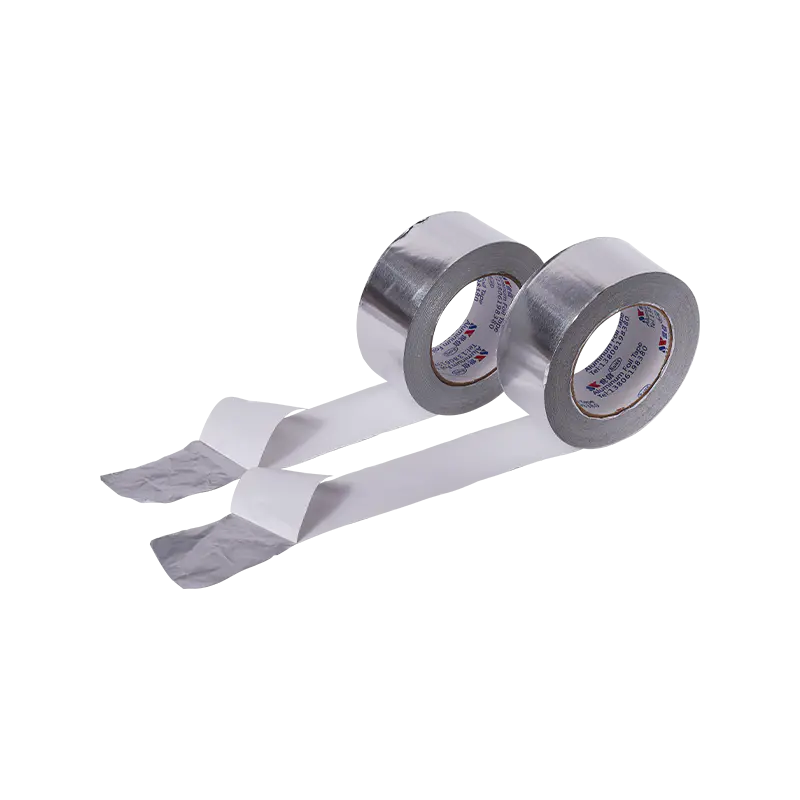
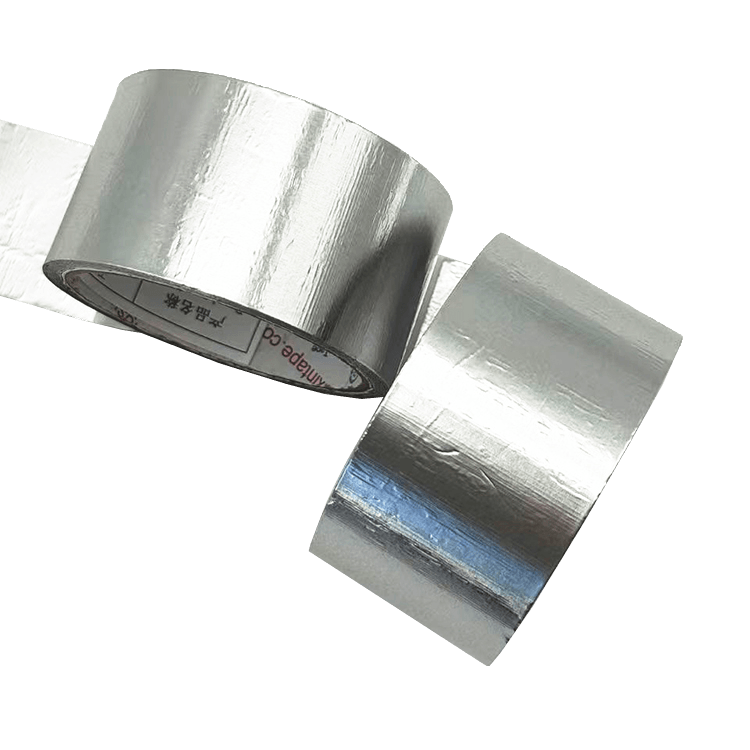
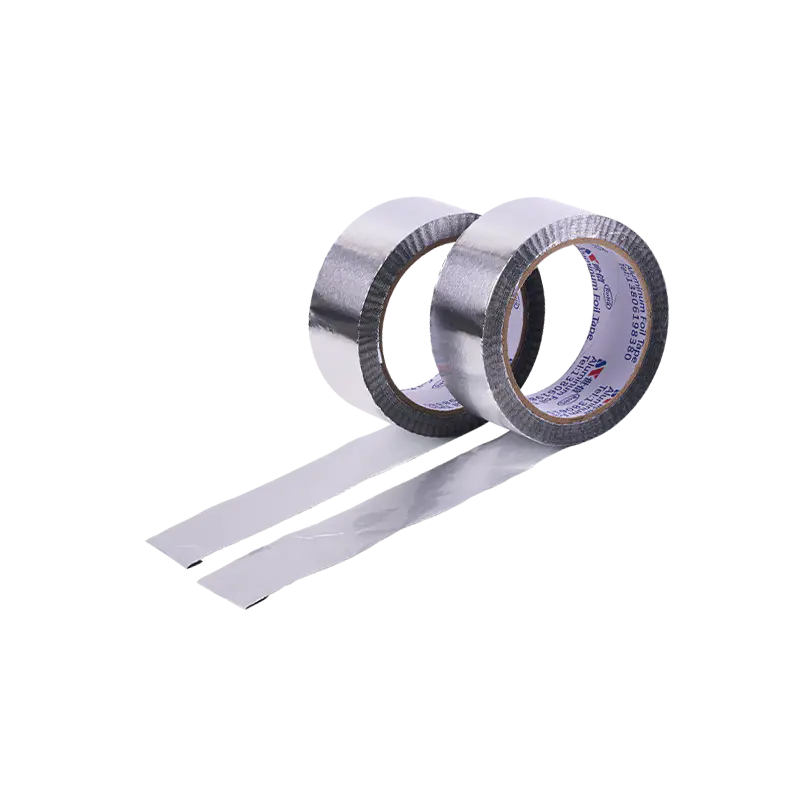
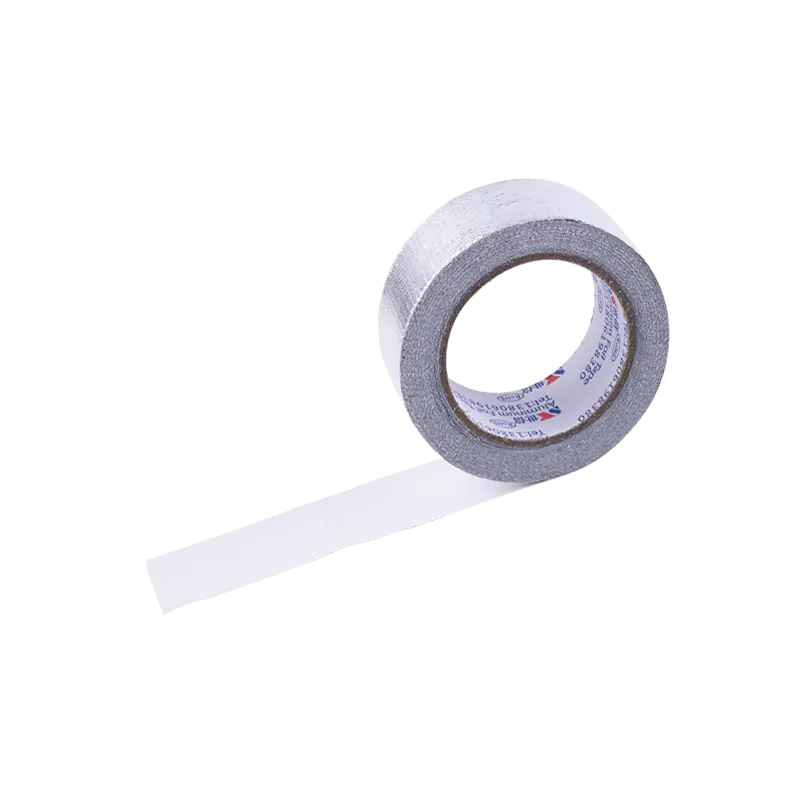
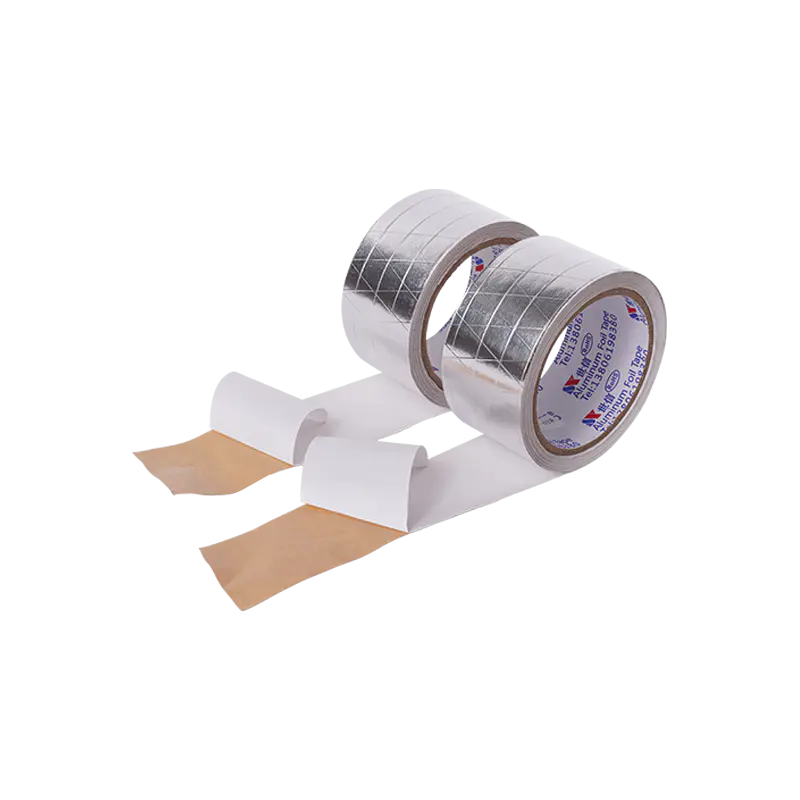
In the engineering landscape of 2026, the pursuit of decarbonization in industrial and commercial buildings has placed a renewed focus on high-performance envelope sealing. The aluminum foil adhesive tape has evolved from a simple sealing utility into a critical thermal management component. With over 20 years of manufacturing excellence in precision adhesive solutions, our company understands that the integrity of an HVAC system is only as strong as its weakest joint. By leveraging the unique thermodynamic properties of polished aluminum, engineers can effectively mitigate radiant heat transfer and air leakage, ensuring that energy-intensive climate control systems operate at peak efficiency.
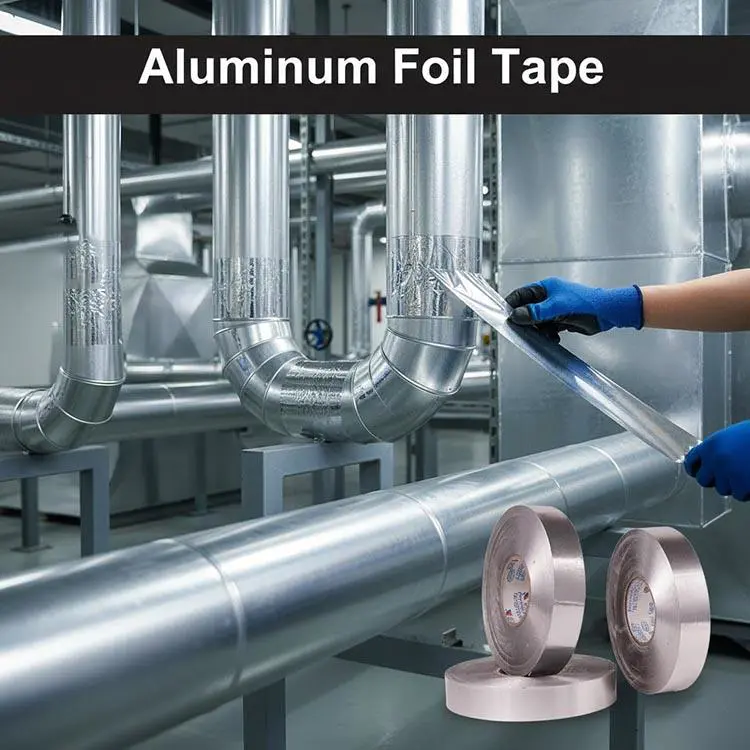
Standard sealing methods often focus solely on preventing air leakage, but high-performance systems must also address radiant energy transfer. Investigating how heat-reflective performance of aluminum foil adhesive tape reduce energy loss reveals that the low-emissivity surface of the foil reflects up to 97% of radiant heat back to its source. While traditional cloth or plastic-backed tapes offer mechanical closure, they lack the thermal barrier properties necessary to prevent heat gain or loss through the duct wall. The aluminum foil adhesive tape acts as a radiant shield, which is essential in unconditioned spaces like attics or industrial high-ceiling bays where temperature differentials are extreme.
Compared to standard duct tapes, aluminum-faced solutions provide a significantly higher reflectivity index and better resistance to UV degradation. While cloth tapes may become brittle and lose adhesion when exposed to fluctuating thermal loads, professional-grade aluminum tape maintains its structural and reflective integrity over decades of service.
| Performance Characteristic | Standard Cloth/Duct Tape | Aluminum Foil Adhesive Tape |
| Radiant Heat Reflectivity | Low (Absorption > 80%) | High (Reflectance > 95%) |
| UV and Aging Resistance | Poor (Degrades under heat) | Excellent (Inorganic backing) |
| Vapor Barrier Integrity | Permeable | Zero Permeability |
The efficacy of a thermal seal is heavily dependent on the chemical composition of its adhesive layer. Selecting between acrylic vs rubber-based aluminum foil adhesive tape for extreme environments is a critical decision for HVAC engineers. Acrylic adhesives offer superior longevity and resistance to oxidation, making them ideal for long-term HVAC installations. Rubber-based adhesives provide higher initial tack but tend to lose shear strength at elevated temperatures. According to the latest technical report by the International Energy Agency (IEA), improving the airtightness of building distribution systems through advanced sealing materials could reduce global cooling energy demand by up to 15% by 2030.
Source: IEA - The Future of Cooling: Opportunities for Energy-Efficient Air Conditioning
The latest industry standards have also heightened the requirements for safety and environmental compliance. According to the 2024 ASHRAE Standard 90.1 updates, sealing materials used in high-pressure ductwork must demonstrate long-term adhesion stability under constant vibration and thermal stress to maintain the "Green Building" certification status.
Source: ASHRAE - Standard 90.1-2022: Energy Standard for Sites and Buildings
In high-risk environments, thermal performance must be coupled with fire safety. The use of flame-retardant aluminum foil adhesive tape for aircraft and HVAC insulation ensures compliance with UL 723 and ASTM E84 standards, where a zero flame-spread and smoke-development rating is mandatory. Additionally, the rise of smart building technology has integrated electronic sensors directly into ductwork. In these scenarios, conductive aluminum foil adhesive tape for EMI shielding in smart HVAC sensors serves a dual purpose: it seals the thermal joint while protecting sensitive digital components from electromagnetic interference (EMI) and radio frequency interference (RFI).
For maritime and coastal installations, moisture is the primary enemy of insulation. Adhering to ASTM standards for moisture barrier aluminum foil adhesive tape in marine use ensures that the vapor barrier remains intact even in salt-saturated, high-humidity environments. Standard tapes often fail due to adhesive hydrolysis, whereas our engineered acrylic formulations are designed to bond more tightly as they cure, preventing the "wicking" of moisture into fiberglass or mineral wool insulation, which would otherwise destroy the system's R-value.
| Standard Compliance | Standard Grade Tape | Marine/Industrial Grade Foil Tape |
| Flame Spread Index (UL 723) | Variable | Class 1 / Class A (Zero Spread) |
| Water Vapor Transmission Rate | > 0.05 perm | 0.00 perm (True Barrier) |
| Operational Temp Range | -10°C to 60°C | -35°C to 120°C+ |
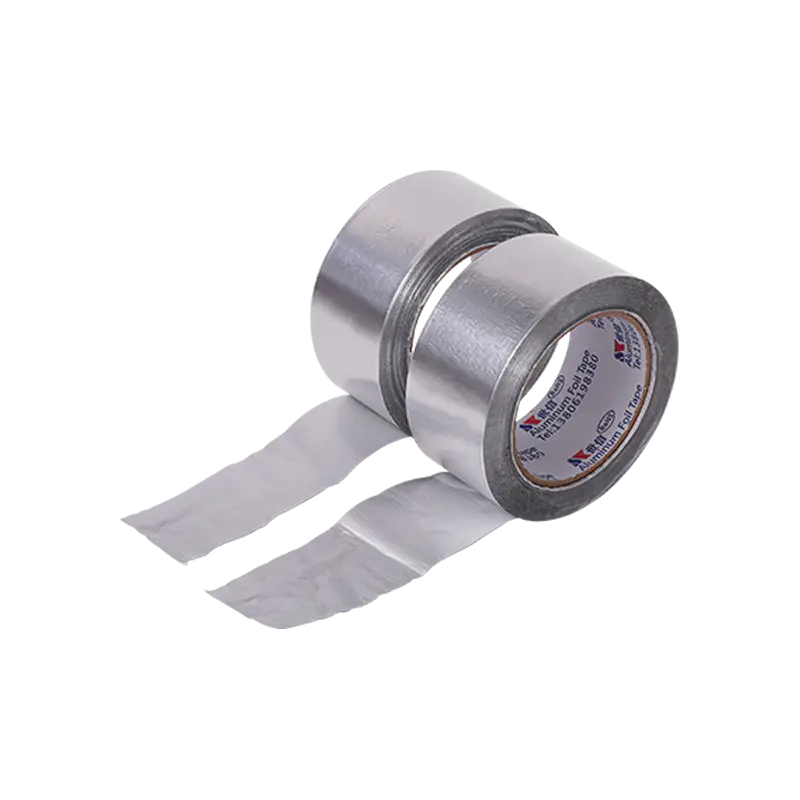
In conclusion, the strategic implementation of high-quality aluminum foil adhesive tape is a fundamental step toward achieving modern energy efficiency goals. By reflecting radiant heat, providing a zero-permeability moisture barrier, and ensuring long-term adhesive stability, this material effectively closes the energy-loss loop in HVAC systems. As a trusted manufacturer for over two decades, we remain committed to providing the engineering community with the specialized tools needed to build safer, more efficient, and more resilient infrastructure for 2026 and beyond.

Our company has been engaged in the tape manufacturing industry for more than 20 years, and has been focusing on various types of aluminum foil tapes, foam tapes, refrigerator tapes, etc.
IsabelLina
Email:[email protected]
Mobile/Whatsapp: +86 190 3379 1110
Mars Gong
Email:[email protected]
Mobile/Whatsapp: +86 159 5136 0053
Address: West side of Yingbin Avenue and south side of hengwang packaging. Suqian Economic and Technological Development Zone,Jiangsu Province
Copyright © Jiangsu Shixin Adhesive Tape Product Co., Ltd. All Rights Reserved. Custom ODM Refrigerator Foil Adhesive Tapes Manufacturers