2026-11-27
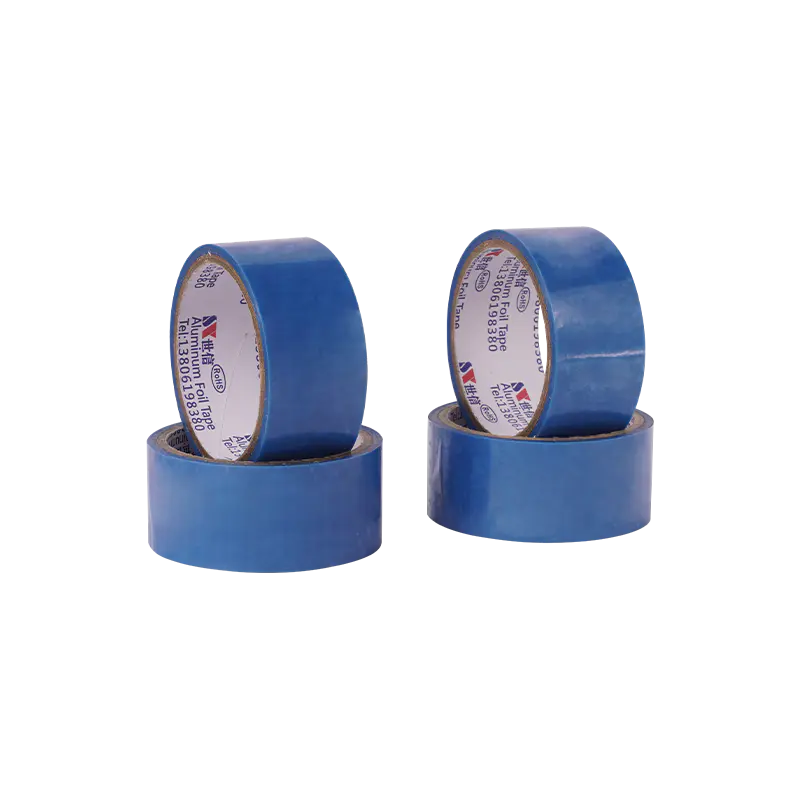
Quick Engineering Takeaway: Specify unidirectional fiberglass filament tape when the primary stress runs in a single lengthwise direction—such as C-clip heavy carton sealing, metal coil tabbing, or straight pipe bundling. Evaluate cross-weave (bidirectional) fiberglass filament tape where loads involve multi-axis impact, sharp corner abrasion, or L-clip pallet stabilization. For export home appliances, do not apply standard rubber-based filament strapping tape directly onto painted steel, ABS housings, or glass shelves; switch to an aged-peel-qualified MOPP fixing tape or residue-free blue PET fixing tape for finished surfaces.
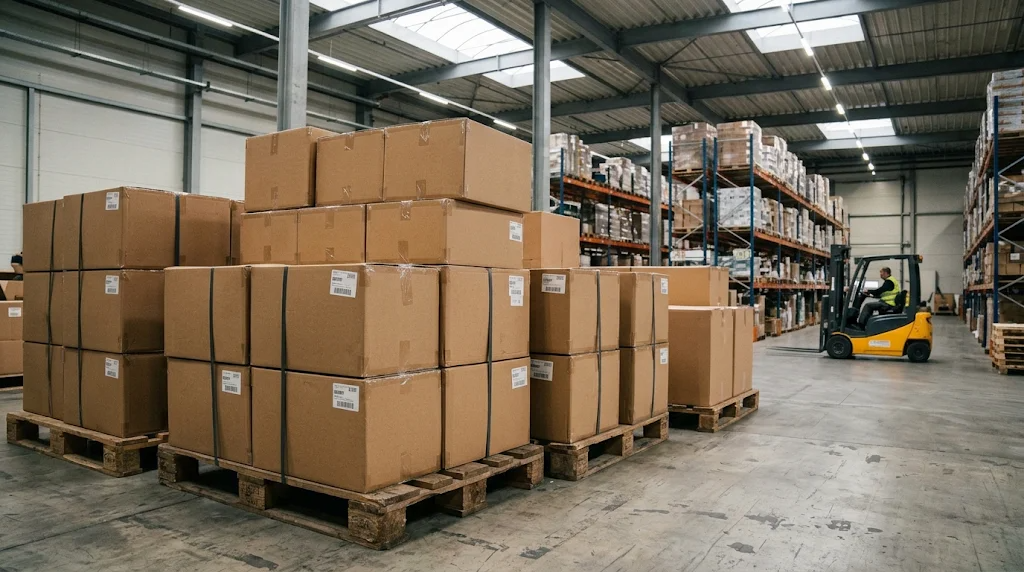
When export white goods—such as large-capacity refrigerators, front-load washers, and commercial freezers—or heavy industrial parts arrive damaged after ocean freight, packaging failure rarely starts with a sudden static crush. More often, it begins with progressive failure at the closure or strapping joint. Weeks of container thermal cycling, elevated humidity, and repeated port handling expose any mismatch between tape construction and actual transit load.
For packaging engineers and procurement teams, avoiding transit claims comes down to three practical decisions: choosing correctly between unidirectional and cross-weave filament structures, preventing adhesive shear creep under container heat, and enforcing a clear boundary between outer-carton filament strapping, MOPP reinforcement, and clean-removal blue PET fixing tape.
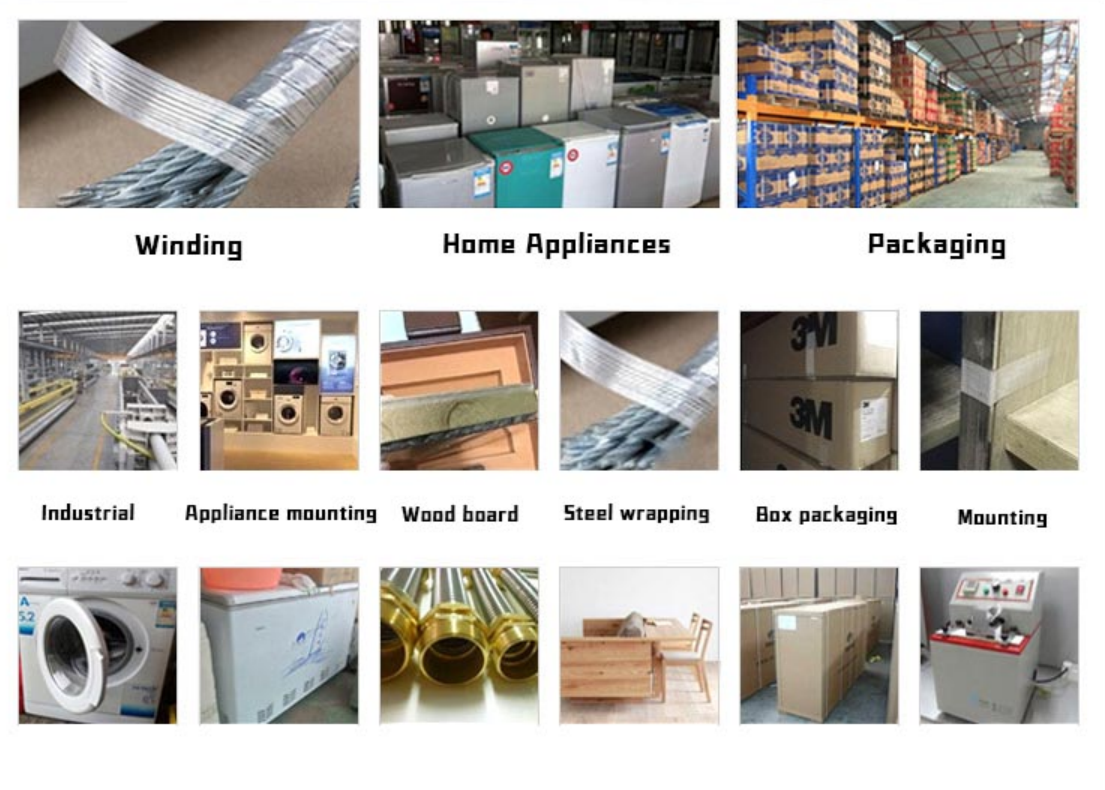
Standard BOPP carton sealing tapes—and even under-specified strapping tapes—often pass bench checks at 23°C, only to fail halfway across an ocean shipping lane. Four combined stresses drive most export field failures:
Fiberglass filament tape pairs a film carrier (typically BOPP or PET) with continuous high-modulus E-glass yarns, coated with high-tack synthetic rubber, hot-melt, or modified acrylic adhesive. The orientation of the reinforcing yarns dictates how the tape handles load and damage.
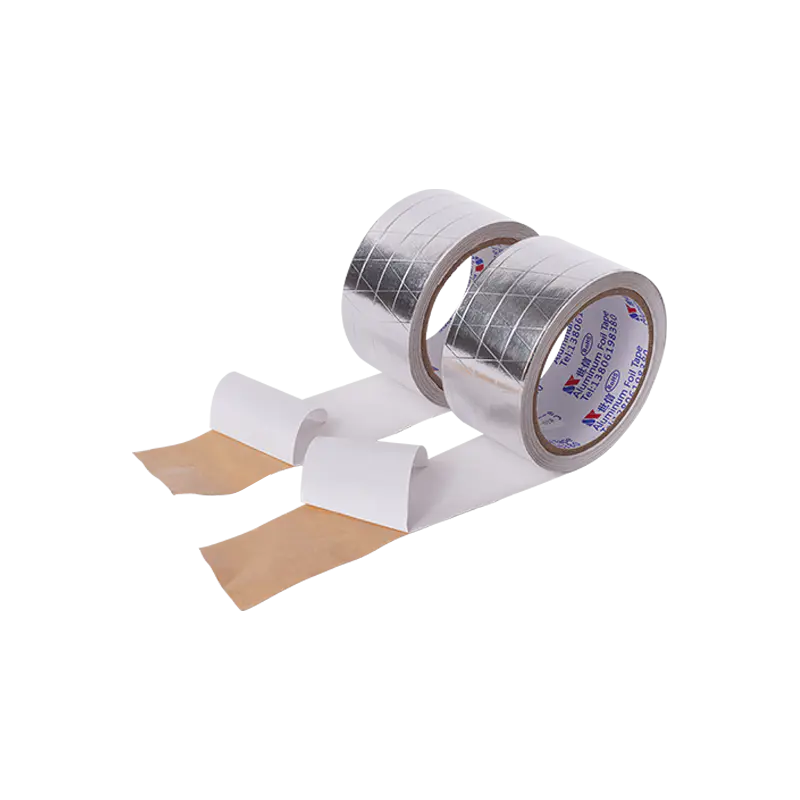
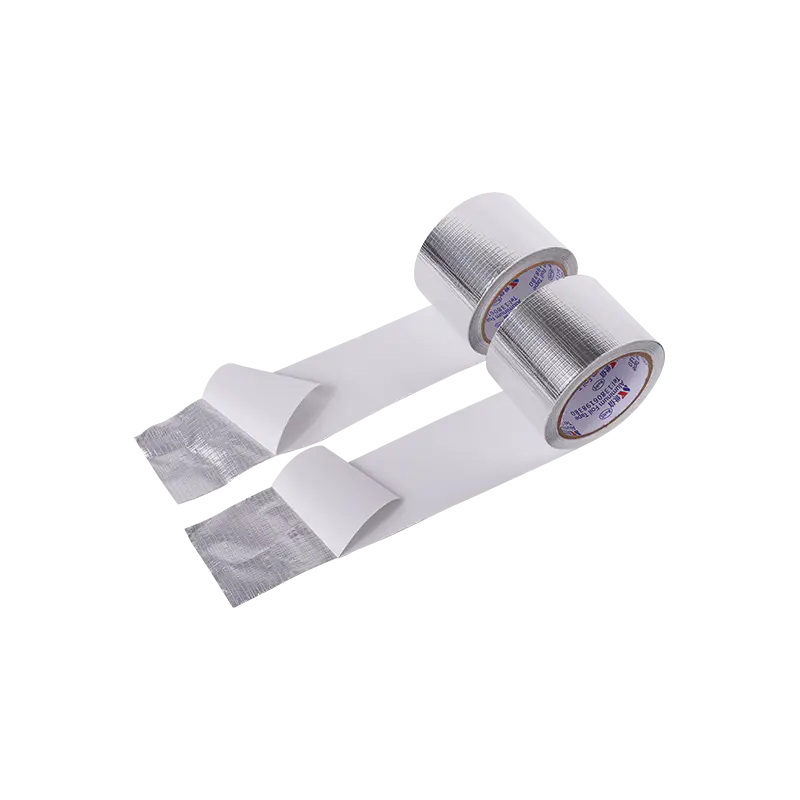
Engineering Note: If your application requires radiant heat reflection, vapor barrier continuity, or high-temperature duct/harness shielding rather than mechanical strapping, evaluate a foil/fiberglass laminate instead. See our Fiberglass Reinforcing Tape vs. Fiberglass Foil Tape OEM Guide for side-by-side criteria.
Table 1: Engineering Comparison — Unidirectional vs. Cross-Weave Fiberglass Filament Tape
|
Evaluation Parameter |
Unidirectional Fiberglass Filament Tape |
Cross-Weave (Bidirectional) Filament Tape |
|
Reinforcement Architecture |
Parallel continuous glass yarns along length (MD) |
Intersecting longitudinal (MD) and transverse (TD) glass mesh |
|
Primary Load Axis |
High uniaxial lengthwise tension |
Lengthwise tension plus off-axis and crosswise loads |
|
Edge Tear & Split Resistance |
Moderate to low (edge nicks can split between parallel yarns) |
High (transverse strands stop nick propagation) |
|
Elongation Profile |
Very low; maintains tight bundle tension |
Low; balanced stability against multi-axis shock |
|
Typical Backing & Adhesive |
BOPP or PET film; synthetic rubber, hot-melt, or modified acrylic (grade-dependent) |
BOPP or PET film; high-cohesion synthetic rubber or modified acrylic |
|
Best-Fit Export Applications |
Heavy export carton C-clipping, metal/pipe bundling, steel coil tabbing |
Oversized carton L-clipping, pallet unitizing, irregular/sharp-edge loads |
|
Primary Selection Risk |
Lengthwise splitting under cross-loads or against sharp metal burrs |
Higher backing stiffness on tight curves; higher unit cost than unidirectional grades |
|
Shixin Tape Sourcing Note |
Core catalog line; explore our Fiberglass Reinforced Adhesive Tapes |
Included for engineering comparison; confirm mesh density, availability, and MOQ per project drawing |
A recurring mistake in export white-goods packaging is equating high tensile rating with universal suitability. Reliable appliance export packaging divides fastening tasks into three distinct zones:
Critical Qualification Rule: Never assume clean removal from a generic tape category name. Clean-peel performance depends on the exact adhesive chemistry, the target substrate (ABS, HIPS, PP, or powder-coated steel), application pressure, and dwell time at 50°C–60°C. Always run an aged-peel trial on actual production parts before releasing a bulk PO.
Table 2: Export Appliance & Heavy-Transit Tape Selection Matrix
|
Selection Factor |
Fiberglass Filament Tape (Uni / Cross-Weave) |
MOPP Fixing / Bottom Packaged Tape |
Blue PET Clean-Removal Fixing Tape |
|
Designated Zone |
Heavy outer cartons, pallet strapping, industrial metal/timber bundles |
Appliance bottom carton reinforcement, medium-duty bundling, harness grouping |
Refrigerator/washer doors, glass shelves, plastic drawers, painted panels |
|
Mechanical Strength |
Highest tensile strength; minimal stretch under load |
High lengthwise tensile strength; clean handling without yarn fraying |
High film stiffness and tear resistance; precise positional hold |
|
Clean-Removal Suitability |
Not default for cosmetic surfaces (requires grade-specific verification) |
Grade-dependent (selected clean-peel formulations available for appliances) |
Primary design function (high-visibility blue for easy inspection and clean strip) |
|
Key Qualification Tests |
ASTM D3759 (tensile/elongation), ASTM D3654 (shear holding power) |
ASTM D3759, ASTM D3330 (peel), base-load shear creep check |
ASTM D3330 plus heat/humidity aged peel-and-residue inspection |
|
Typical Misapplication Failure |
Adhesive transfer, yellowing, or paint lift on appliance doors after sea freight |
Stretching or cutting through on ultra-heavy sharp-edged steel bundles |
Over-specifying cost or under-supporting heavy outer export cartons |
Before qualifying a new fiberglass or strapping tape supplier—or switching grades for a seasonal export ramp—procurement and packaging engineering teams should run four targeted checks rather than relying on brochure averages:
Q1: When should I specify unidirectional versus cross-weave fiberglass filament tape for export packaging?
Choose unidirectional fiberglass filament tape when the holding force is primarily straight lengthwise tension, such as C-clipping heavy export cartons, tabbing metal coils, or bundling pipes and timber. Evaluate cross-weave fiberglass tape when loads experience multi-directional shock, abrasive carton corners, or L-clip pallet stabilization where an edge nick could split a unidirectional strip. Confirm grade availability and MOQ for cross-weave constructions before finalizing tooling or SOPs.
Q2: Can fiberglass filament tape be applied directly to painted appliance doors or plastic drawers?
In most cases, no. Standard heavy-duty fiberglass filament tapes use aggressive synthetic-rubber or hot-melt adhesives engineered for corrugated board and metal strapping. Under 50°C–60°C container temperatures, these adhesives can soften, yellow, and leave difficult residue on powder-coated steel or ABS plastics. Use a dedicated residue-free blue PET fixing tape or a clean-peel-qualified MOPP grade for direct appliance contact.
Q3: Why does filament tape hold securely in a 23°C warehouse but slip or pop open inside an ocean container?
Container failure is typically driven by adhesive shear creep and moisture-softened corrugated board. As container temperatures exceed 50°C, lower-cohesion adhesives lose shear resistance under constant carton-flap spring-back. Mitigate this by qualifying a higher-cohesion adhesive grade under elevated-temperature ASTM D3654 shear testing, ensuring sufficient L-clip or C-clip leg overlap onto carton side panels, and applying firm wipe-down pressure during sealing.
Q4: What converting and roll specifications should be confirmed before sampling custom fiberglass strapping tape?
Lock down six core parameters in your RFQ: reinforcement orientation (unidirectional or cross-weave requirement), slit width and tolerance (mm), roll length (hand-applied vs. semi-automatic/automatic dispenser rolls), core inner diameter and material (e.g., 76 mm / 3-inch paper or plastic core), target shipping/storage temperature range, and the exact receiving substrate.
Q5: What documentation should OEM buyers request from a fiberglass tape manufacturer during supplier qualification?
Request a grade-specific Technical Datasheet (TDS) listing total thickness, ASTM D3759 tensile strength and elongation, ASTM D3330 peel adhesion, and ASTM D3654 shear holding power. For compliance audits, verify current ISO 9001 and ISO 14001 management-system certificates together with grade-matched RoHS, REACH, or third-party test records (such as SGS) where required by your destination market.
Request Application-Matched Samples & Engineering Datasheets
Jiangsu Shixin Adhesive Tape Product Co., Ltd. (Shixin Tape) supplies global white-goods OEMs, HVAC manufacturers, and industrial packaging distributors with custom-converted high-strength unidirectional fiberglass reinforcing tapes, MOPP fixing and appliance bottom packaged tapes, and residue-free blue PET fixing tapes—manufactured under ISO 9001 and ISO 14001 quality and environmental management systems.
To receive targeted grade recommendations and trial rolls from our engineering team within 24 hours, include this RFQ Specification Checklist with your inquiry:
Contact Shixin Tape Engineering Team to Request Filament & Strapping Tape Samples →

Our company has been engaged in the tape manufacturing industry for more than 20 years, and has been focusing on various types of aluminum foil tapes, foam tapes, refrigerator tapes, etc.
IsabelLina
Email:[email protected]
Mobile/Whatsapp: +86-153-0151-5119
Mars Gong
Email:[email protected]
Mobile/Whatsapp: +86-159-5136-0053
Address: West side of Yingbin Avenue and south side of hengwang packaging. Suqian Economic and Technological Development Zone,Jiangsu Province
Copyright © Jiangsu Shixin Adhesive Tape Product Co., Ltd. All Rights Reserved. Custom ODM Refrigerator Foil Adhesive Tapes Manufacturers