2026-09-10
Content
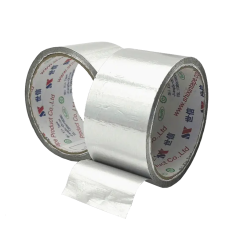
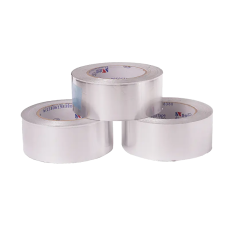
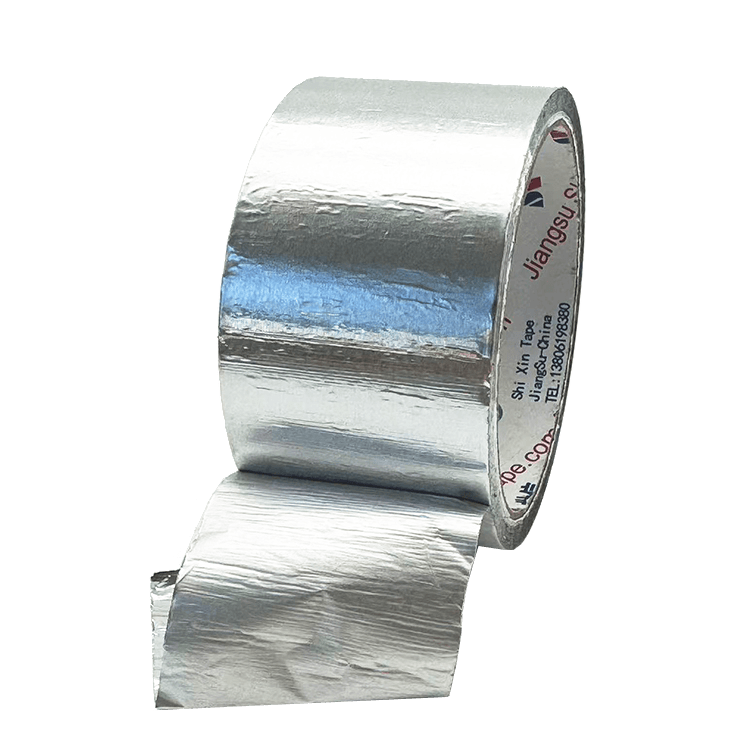
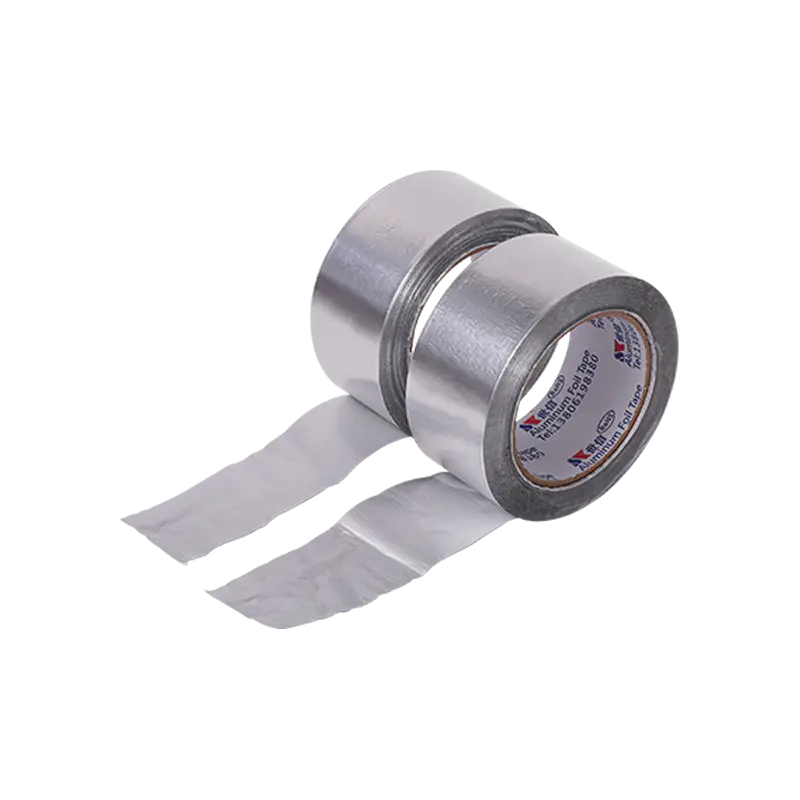
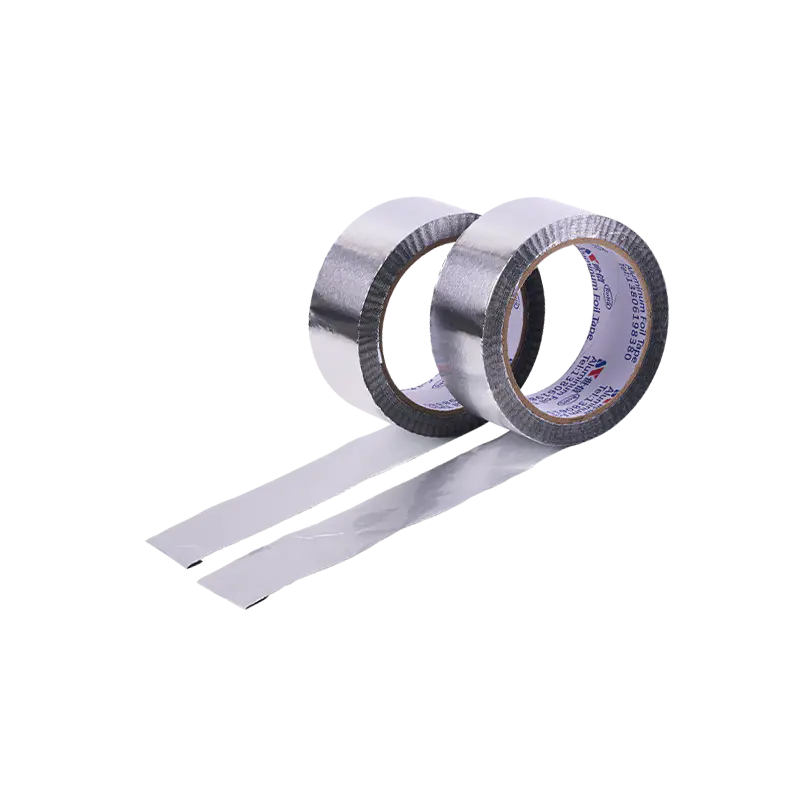
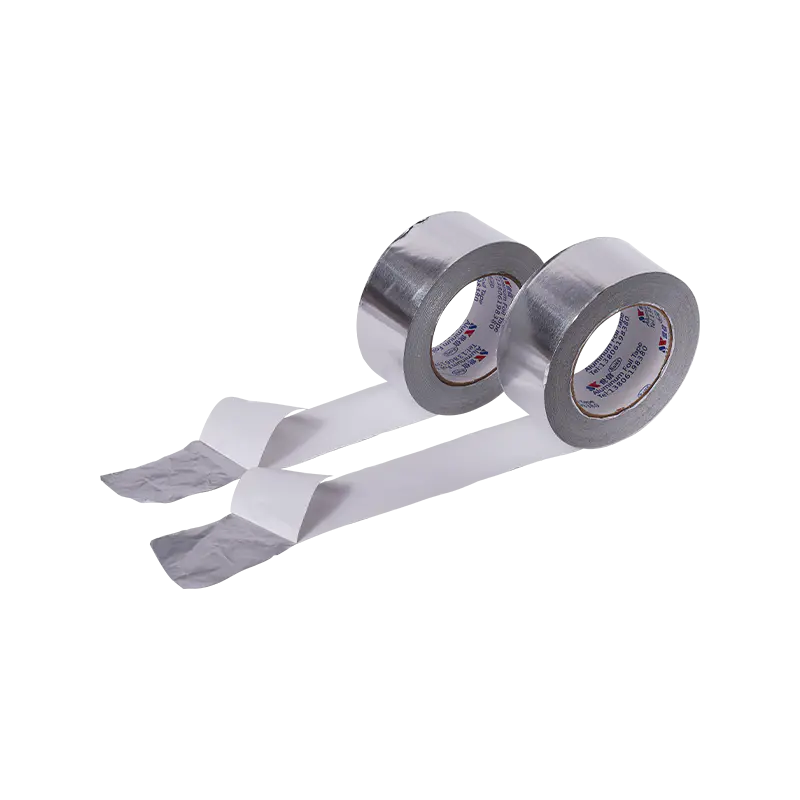
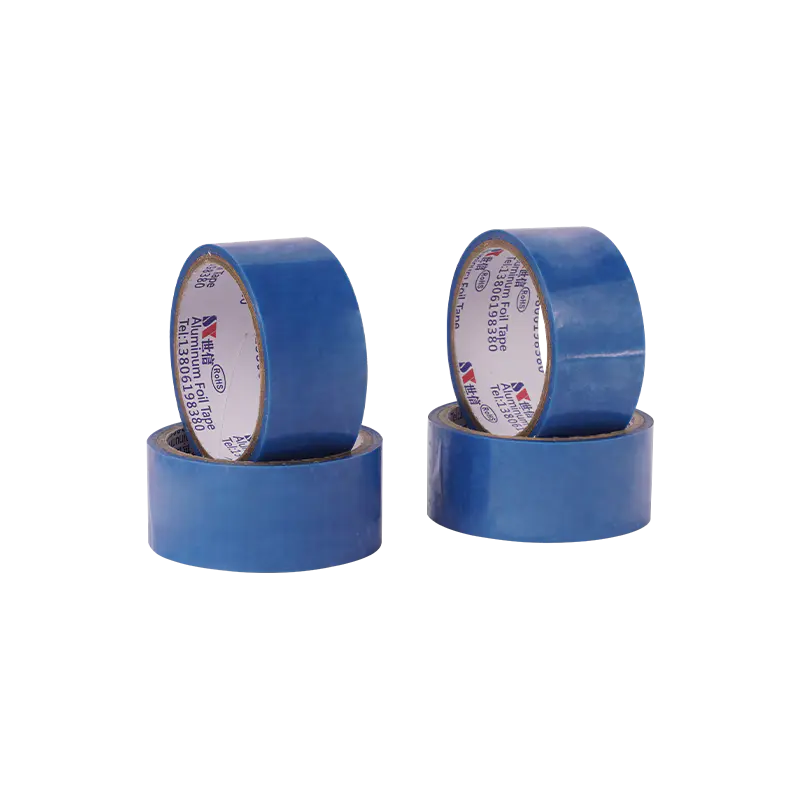
Direct Answer: For HVAC duct sealing applications, Aluminum Foil Adhesive Tape for HVAC Duct Sealing is generally considered one of the most reliable options because it offers excellent temperature resistance, long-term adhesion, moisture protection, and compliance with demanding HVAC operating conditions. Unlike traditional cloth duct tape, aluminum foil tape can maintain its sealing performance for many years without significant degradation.
HVAC systems continuously experience airflow pressure changes, temperature fluctuations, humidity, and vibration. These factors can cause ordinary tapes to fail prematurely. Aluminum foil adhesive tape is specifically engineered to create durable air-tight and vapor-tight seals that help improve energy efficiency and reduce maintenance requirements.
The best HVAC tape depends on the application, but aluminum foil tape is often preferred for sealing duct joints, seams, insulation facings, and metal duct connections.
|
Tape Type |
Main Use |
Temperature Resistance |
Durability |
|
Aluminum Foil Tape |
Duct sealing and insulation |
Up to 120°C or higher |
Excellent |
|
Cloth Duct Tape |
Temporary repairs |
Moderate |
Poor to Fair |
|
PVC Tape |
General wrapping |
Moderate |
Fair |
|
Mastic Sealant |
Permanent duct sealing |
Excellent |
Excellent |
Many HVAC professionals choose aluminum foil tape because it combines ease of installation with long-term sealing performance. When properly applied to clean metal surfaces, high-quality foil tape can significantly reduce air leakage from duct systems.
The lifespan of aluminum foil tape depends on several factors, including adhesive quality, environmental conditions, installation methods, and operating temperatures.
Under normal HVAC operating conditions, premium aluminum foil tape can last between 15 and 25 years. In controlled indoor environments, service life may exceed 25 years.
Several characteristics contribute to this longevity:
For example, an HVAC duct network operating at temperatures between -20°C and 80°C can maintain reliable sealing performance for decades when foil tape is installed correctly and protected from excessive mechanical damage.
Despite its name, traditional duct tape is often not the best solution for sealing HVAC ducts.
Many conventional duct tapes utilize rubber-based adhesives that gradually deteriorate when exposed to heat, cold, humidity, and airflow pressure. Over time, the adhesive can dry out, crack, or lose bonding strength.
Common causes of duct tape failure include:
Studies conducted within the HVAC industry have repeatedly demonstrated that cloth duct tape can lose sealing effectiveness after only a few years of service, particularly in attic spaces, mechanical rooms, or other environments with elevated temperatures.
As the adhesive weakens, gaps may develop around duct seams, leading to conditioned air loss and increased energy consumption.

What Makes Foil Tape Durable?
The durability of aluminum foil tape comes from a combination of material engineering and adhesive technology.
The foil backing provides excellent resistance to:
Aluminum also maintains dimensional stability, helping the tape retain its shape and sealing effectiveness over long periods.
Modern HVAC foil tapes commonly utilize acrylic-based adhesives that offer:
Compared with rubber adhesives, acrylic adhesives typically maintain performance much longer under HVAC operating conditions.
HVAC systems operate continuously throughout the year. Foil tape must withstand:
The combination of aluminum foil and advanced adhesives enables the tape to resist these stresses more effectively than many alternative sealing products.
Air leakage is one of the major causes of HVAC energy loss. Even small leaks can reduce system efficiency and increase operating costs.
Properly sealed ducts can provide several benefits:
Industry estimates suggest that poorly sealed duct systems can lose between 20% and 30% of conditioned air. High-quality foil tape helps minimize these losses by maintaining an air-tight seal throughout the system.
Even the highest-quality tape can underperform if installed incorrectly.
For optimal results, follow these guidelines:
Using a hand roller can further improve adhesive wet-out and increase long-term bond strength.
|
|
When evaluating aluminum foil adhesive tape for HVAC duct sealing, consider the following technical specifications:
|
Property |
Typical Requirement |
|
Foil Thickness |
30–80 microns |
|
Adhesive Type |
Acrylic |
|
Operating Temperature |
-20°C to 120°C+ |
|
Peel Adhesion |
High-performance grade |
|
Moisture Resistance |
Excellent |
|
Aging Resistance |
Long-term stability |
Selecting a tape designed specifically for HVAC applications helps ensure compliance with industry performance expectations and long service life.
When asking which HVAC tape is best, the answer for most duct sealing applications is aluminum foil adhesive tape. Its combination of strong adhesion, moisture resistance, temperature tolerance, and long-term durability makes it a preferred solution for professional HVAC installations.
Compared with traditional duct tape, Aluminum Foil Adhesive Tape for HVAC Duct Sealing delivers significantly better performance in demanding operating environments. With proper installation, it can provide reliable sealing for decades while helping improve HVAC efficiency, reduce energy losses, and minimize maintenance costs.

Our company has been engaged in the tape manufacturing industry for more than 20 years, and has been focusing on various types of aluminum foil tapes, foam tapes, refrigerator tapes, etc.
IsabelLina
Email:[email protected]
Mobile/Whatsapp: +86 190 3379 1110
Mars Gong
Email:[email protected]
Mobile/Whatsapp: +86 159 5136 0053
Address: West side of Yingbin Avenue and south side of hengwang packaging. Suqian Economic and Technological Development Zone,Jiangsu Province
Copyright © Jiangsu Shixin Adhesive Tape Product Co., Ltd. All Rights Reserved. Custom ODM Refrigerator Foil Adhesive Tapes Manufacturers