2026-09-10
Content
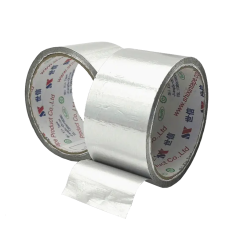
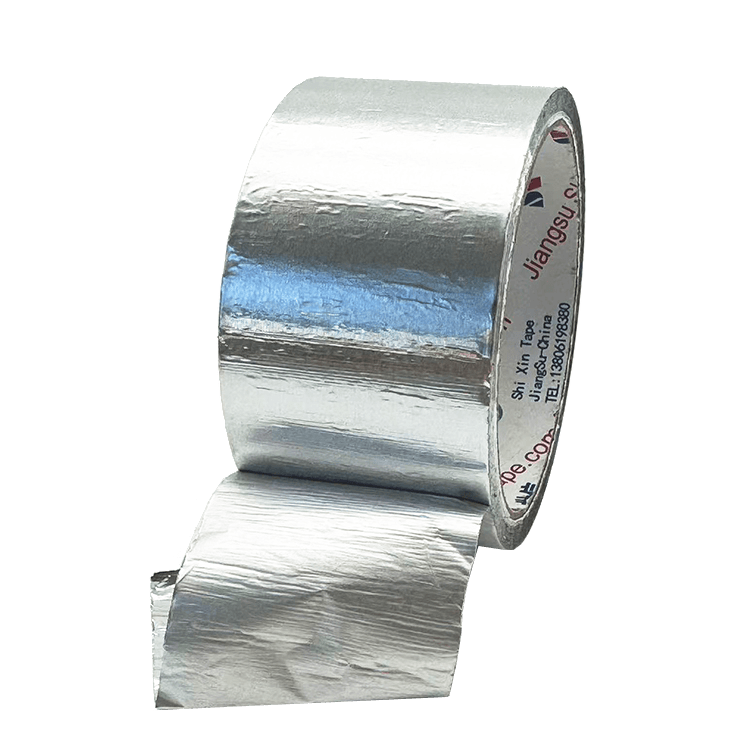
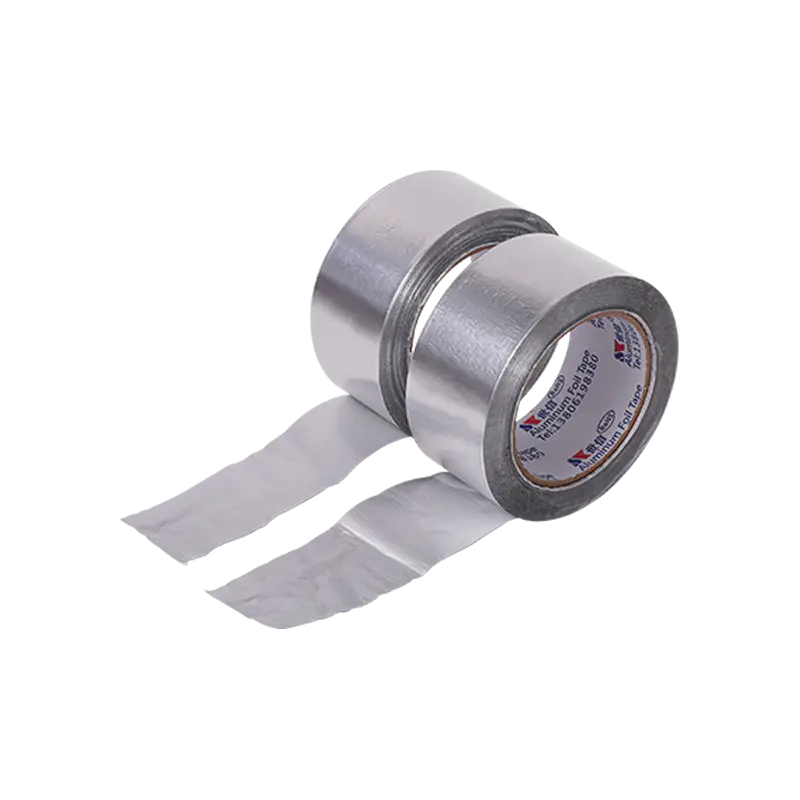
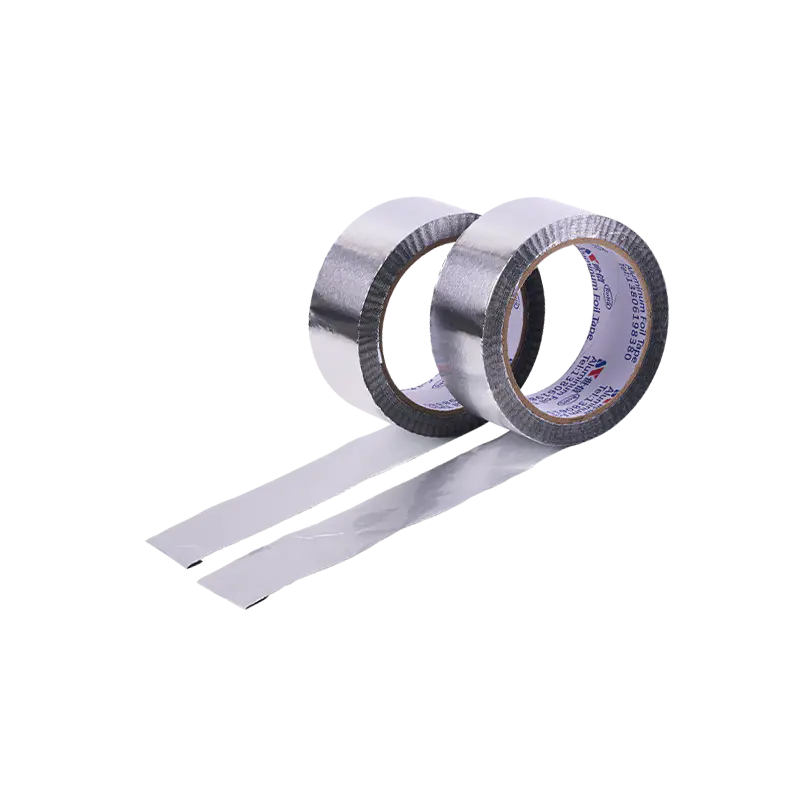
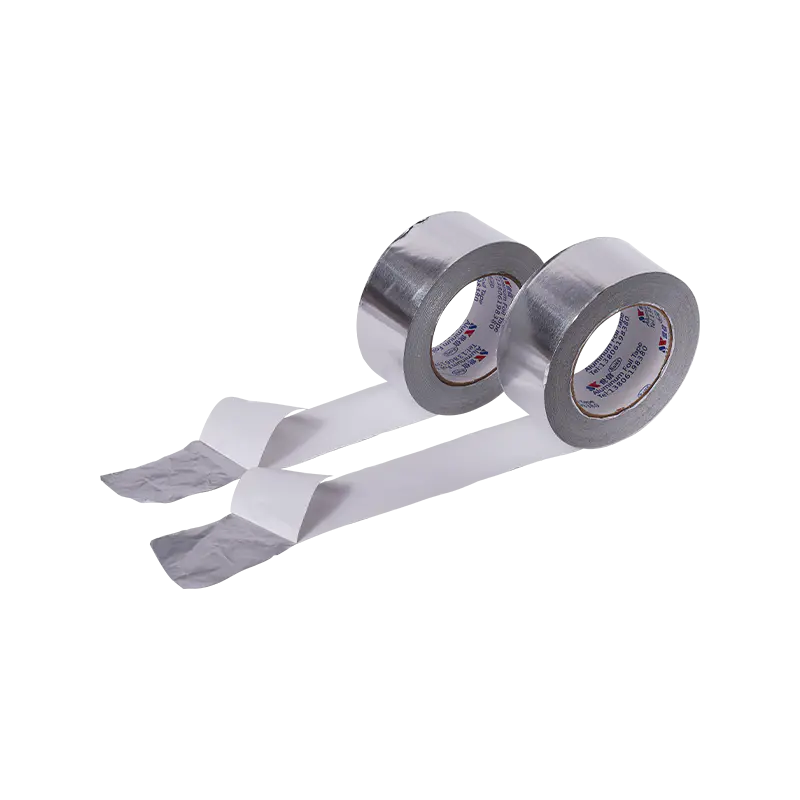
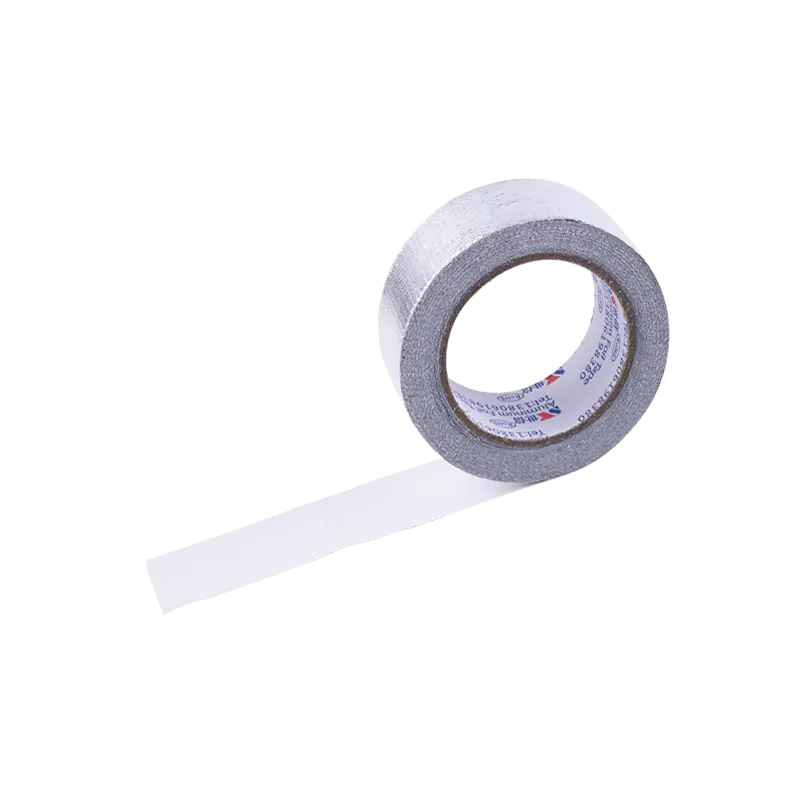
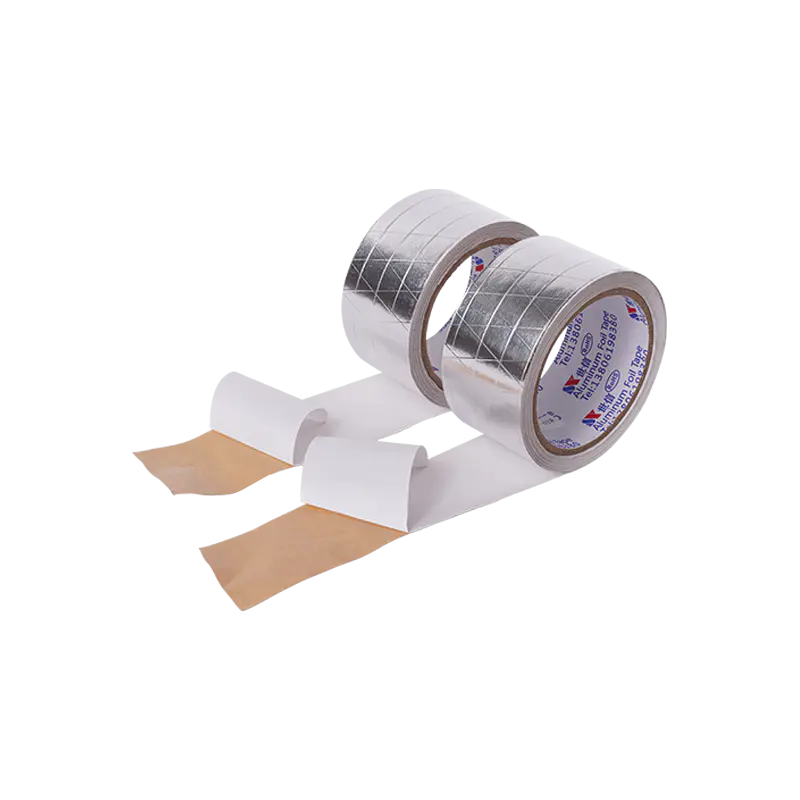
HSL Foil Tape for PP Plastic Bonding is one of the most effective solutions for creating durable bonds on polypropylene (PP) surfaces because it combines heat-activated adhesion with the stability of aluminum foil. PP is known for its low surface energy, which makes it difficult for many conventional adhesives to achieve strong and lasting adhesion. HSL foil tape overcomes this challenge by using a heat-seal adhesive layer that forms a stronger molecular connection with PP during the bonding process.
When proper temperature, pressure, and dwell time are applied, HSL foil tape can provide excellent peel strength, environmental resistance, and long-term reliability. This makes it widely used in toilet seat covers, plastic packaging, appliance components, automotive parts, and various industrial plastic assemblies.
For manufacturers seeking dependable PP bonding performance, HSL Foil Tape for PP Plastic Bonding offers a practical combination of adhesion, durability, and production efficiency.
Polypropylene is widely used because it is lightweight, chemically resistant, and cost-effective. However, these same characteristics create significant bonding challenges.
The surface energy of untreated PP is typically around 29-31 dynes/cm, while many traditional pressure-sensitive adhesives perform best on surfaces above 38 dynes/cm. As a result, ordinary tapes may initially stick but often fail after exposure to heat, humidity, or mechanical stress.
HSL foil tape addresses these limitations through heat activation.
Compared with many conventional tapes, HSL foil tape provides a more reliable solution for applications where bond failure could affect product quality or safety.
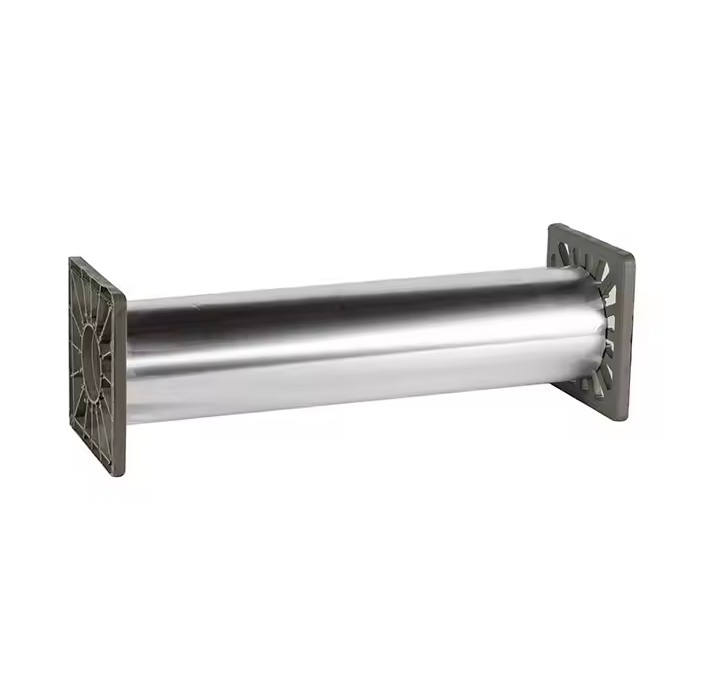
The actual bonding strength depends on adhesive formulation, bonding conditions, and substrate preparation. Under optimized manufacturing conditions, HSL foil tape can achieve significantly higher adhesion than standard pressure-sensitive tapes used on PP surfaces.
|
Performance Indicator |
Typical Range |
|
Peel Strength |
8-20 N/25mm |
|
Shear Resistance |
Excellent under continuous load |
|
Heat Resistance |
Up to 100°C or higher depending on adhesive |
|
Humidity Resistance |
High |
|
Aging Stability |
Long-term durability |
Many industrial-grade HSL foil tapes are also subjected to demanding validation tests such as:
These evaluations help ensure that the bond remains intact even under challenging operating conditions.
The best tape for PP bonding depends on the application environment and performance requirements. Several technologies are commonly used in industrial manufacturing.
|
Tape Type |
PP Bonding Capability |
Typical Applications |
|
Standard Acrylic Tape |
Low to Moderate |
General packaging |
|
Rubber-Based Tape |
Moderate |
Temporary bonding |
|
Modified Acrylic Tape |
Good |
Industrial assembly |
|
HSL Foil Tape |
Excellent |
Permanent PP bonding |
For applications requiring:
HSL foil tape is often considered one of the most effective solutions available for PP plastic bonding.
Even high-performance adhesive systems can fail if bonding conditions are not properly controlled. Several factors directly influence final bond strength.
Dust, oil, mold release agents, and contaminants can dramatically reduce adhesion. Cleaning PP surfaces before bonding helps maximize contact between the adhesive and substrate.
Heat-activated adhesives require sufficient temperature to flow and interact with the PP surface. Insufficient temperature often leads to incomplete bonding, while excessive temperature may damage materials.
Uniform pressure ensures full adhesive contact with the substrate. In automated production environments, controlled pressure is critical for consistent results.
The adhesive needs enough time under heat and pressure to develop a strong bond. Short cycle times may reduce final adhesion performance.
Different PP grades may exhibit different surface properties. Filled PP, recycled PP, and textured PP surfaces may require process adjustments to achieve optimal adhesion.
Temperature fluctuations, UV radiation, humidity, and chemical exposure can all influence long-term bond performance. Selecting an HSL foil tape designed for the intended operating environment is essential.
The aluminum foil backing contributes much more than structural support.
Because of these benefits, HSL foil tape is frequently selected for demanding applications where ordinary film-based tapes may not provide sufficient long-term performance.
Industries use HSL foil tape across a wide range of manufacturing and assembly processes.
In these applications, manufacturers value consistent adhesion, process efficiency, and long-term reliability.
HSL Foil Tape for PP Plastic Bonding is highly effective because its heat-activated adhesive system overcomes the low surface energy challenges associated with polypropylene. Compared with many conventional tapes, it delivers stronger adhesion, superior moisture resistance, improved thermal stability, and longer service life. Bond strength is influenced by factors such as temperature, pressure, dwell time, surface preparation, and environmental conditions. When properly applied, HSL foil tape provides one of the most reliable and durable bonding solutions available for PP plastic applications.

Our company has been engaged in the tape manufacturing industry for more than 20 years, and has been focusing on various types of aluminum foil tapes, foam tapes, refrigerator tapes, etc.
IsabelLina
Email:[email protected]
Mobile/Whatsapp: +86 190 3379 1110
Mars Gong
Email:[email protected]
Mobile/Whatsapp: +86 159 5136 0053
Address: West side of Yingbin Avenue and south side of hengwang packaging. Suqian Economic and Technological Development Zone,Jiangsu Province
Copyright © Jiangsu Shixin Adhesive Tape Product Co., Ltd. All Rights Reserved. Custom ODM Refrigerator Foil Adhesive Tapes Manufacturers