2026-10-23
Content
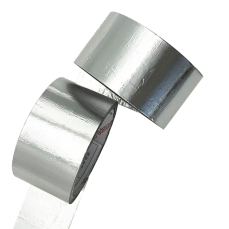
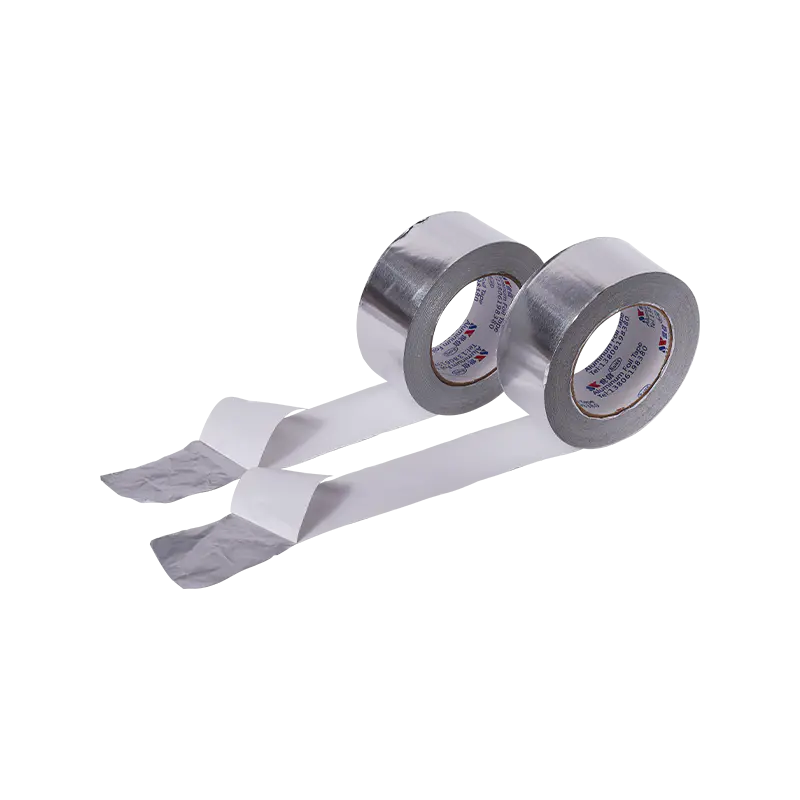
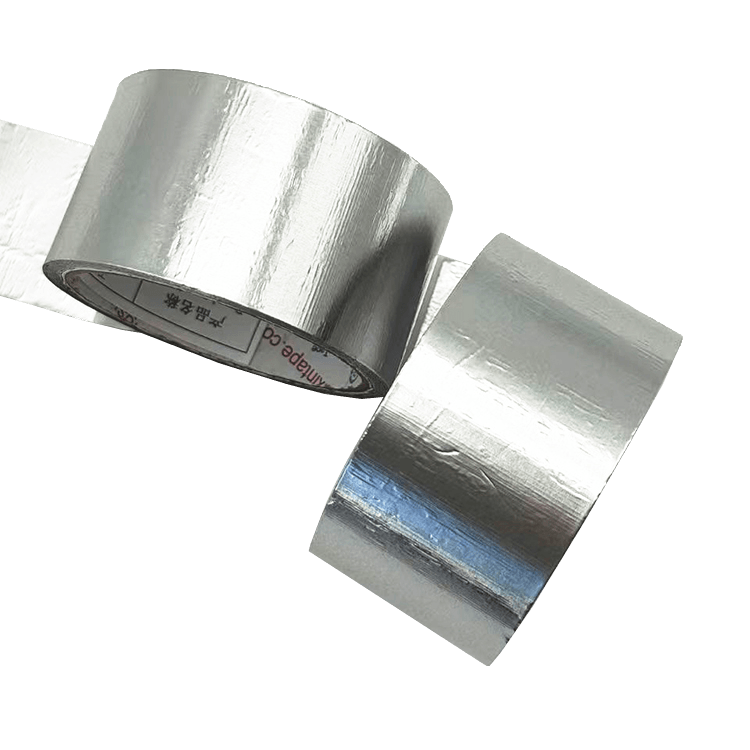
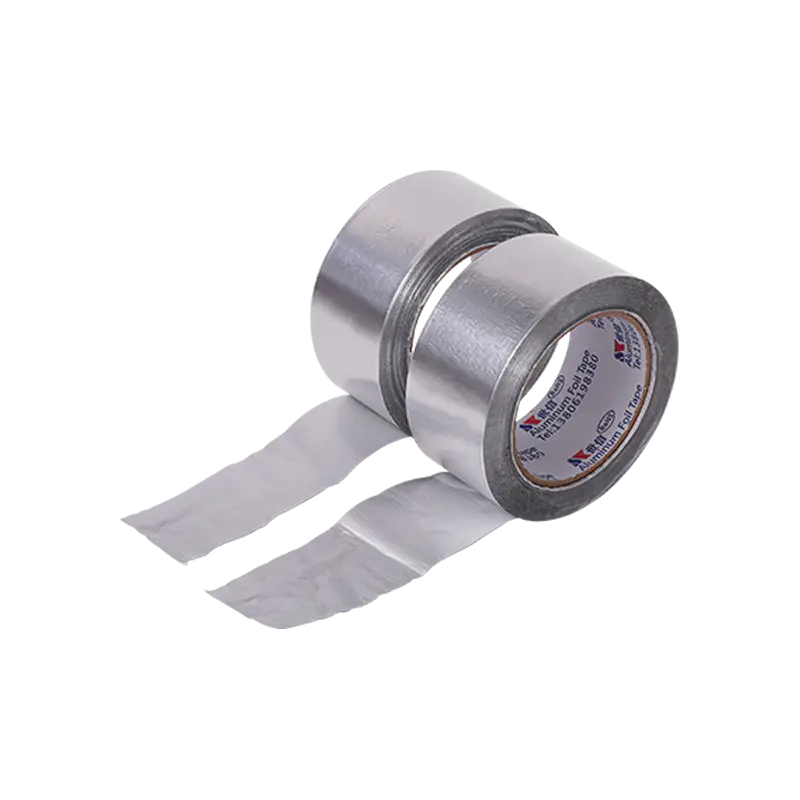
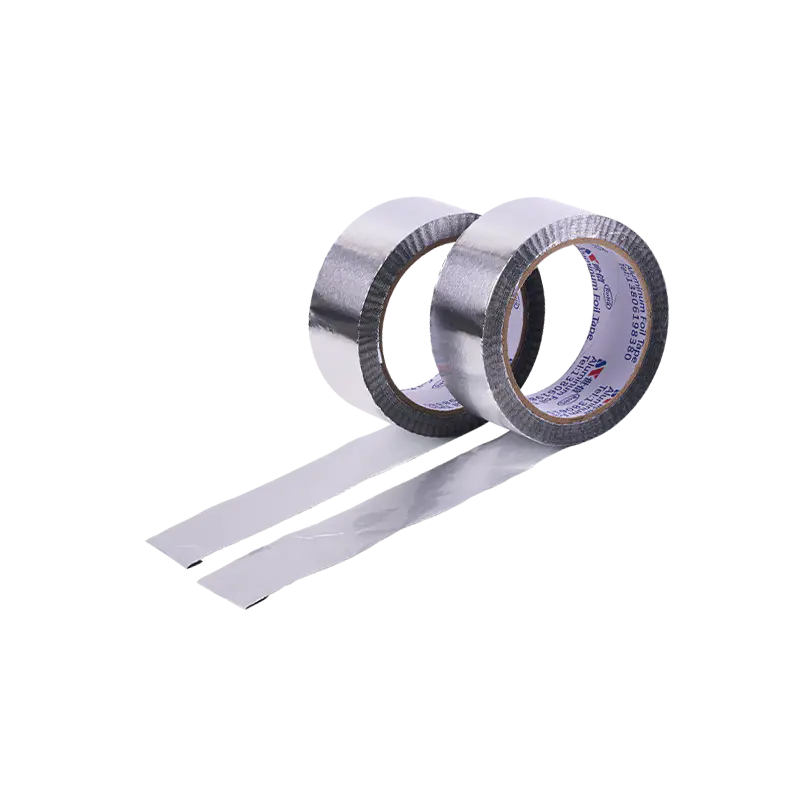
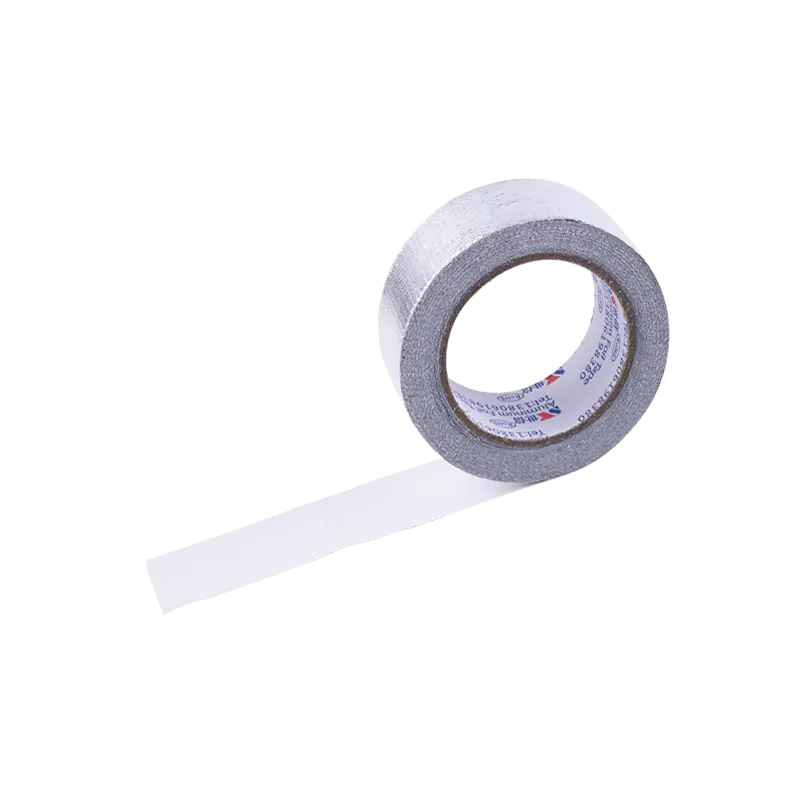
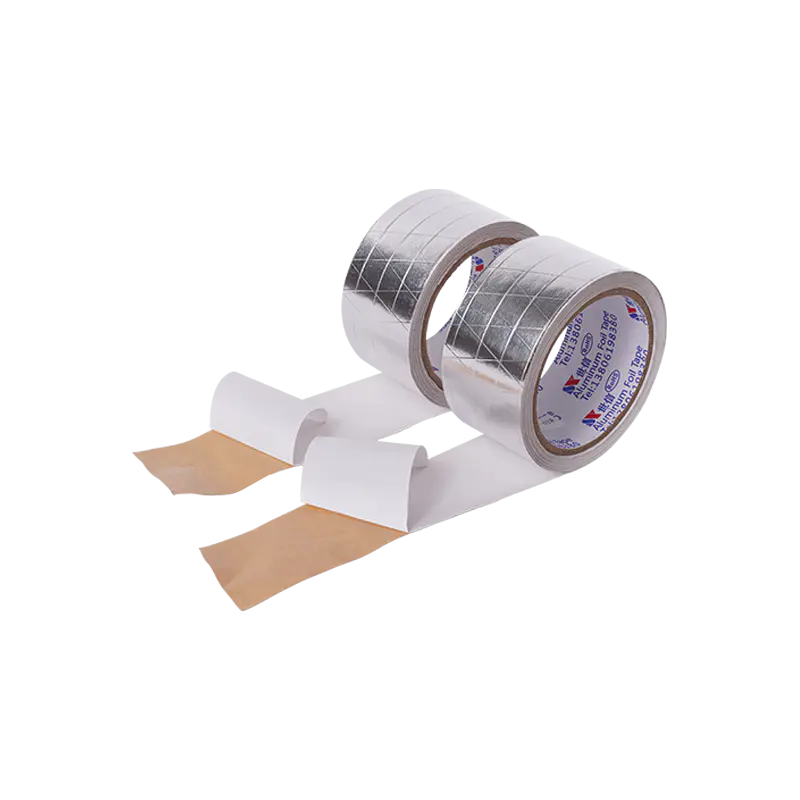
Aluminum foil adhesive tape is a pressure-sensitive tape constructed with an aluminium foil backing bonded to a layer of adhesive — and in many configurations, a protective release liner. The aluminium foil provides an exceptional combination of thermal reflectivity, electromagnetic shielding, moisture vapor barrier, and mechanical conformability, while the pressure-sensitive adhesive layer delivers immediate bond formation on contact with a wide range of substrate materials. Together, these properties make aluminum foil adhesive tape one of the most functionally versatile industrial tapes in global use — spanning HVAC installation, automotive thermal management, electronics shielding, construction weatherization, and industrial sealing applications.
For procurement engineers, specification writers, and wholesale distributors, understanding the construction variables, performance parameters, and application boundaries of aluminum foil adhesive tape is essential for matching the correct product to each application demand. This guide provides an engineer-level examination of the complete product category.
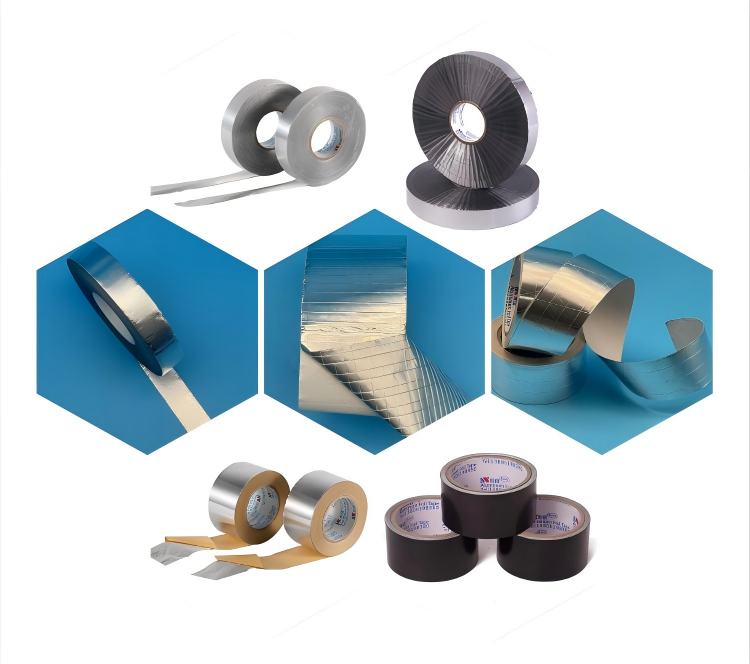
The performance profile of any aluminum foil adhesive tape is determined by the specifications of its individual layers and the quality of the lamination bonds between them. A standard construction comprises:
The aluminium foil backing of aluminum foil adhesive tape delivers three intrinsic functional properties that no polymer film tape can replicate:
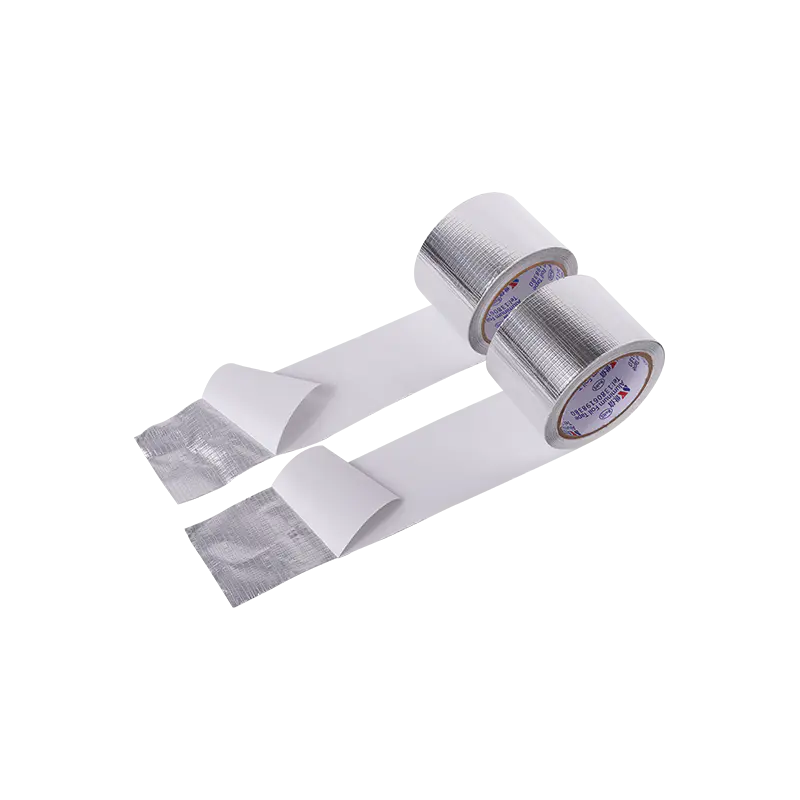
The choice between liner and liner-free aluminum foil adhesive tape is a practical decision that affects application speed, adhesive quality, and waste generation:
| Feature | Liner-Free Tape | Tape With Release Liner |
| Application speed | Fast — no liner removal step | Slightly slower — liner must be removed during application |
| Adhesive exposure protection | Lower — adhesive exposed on roll outer surface | Full — adhesive protected until moment of application |
| Waste generation | None — no liner to dispose of | Liner waste requires disposal management |
| Adhesive quality | Good — limited by back-surface release requirement | Excellent — adhesive formulation unconstrained by release requirement |
| Best applications | High-volume HVAC installation, ductwork sealing | Precision electronics, automotive, die-cut parts |
Pressure-sensitive adhesion relies on intimate molecular contact between the adhesive and the substrate surface — a process governed by surface energy, surface roughness, and the rheological properties of the adhesive under application pressure and temperature. Key adhesion considerations for aluminum foil adhesive tape on common substrates:
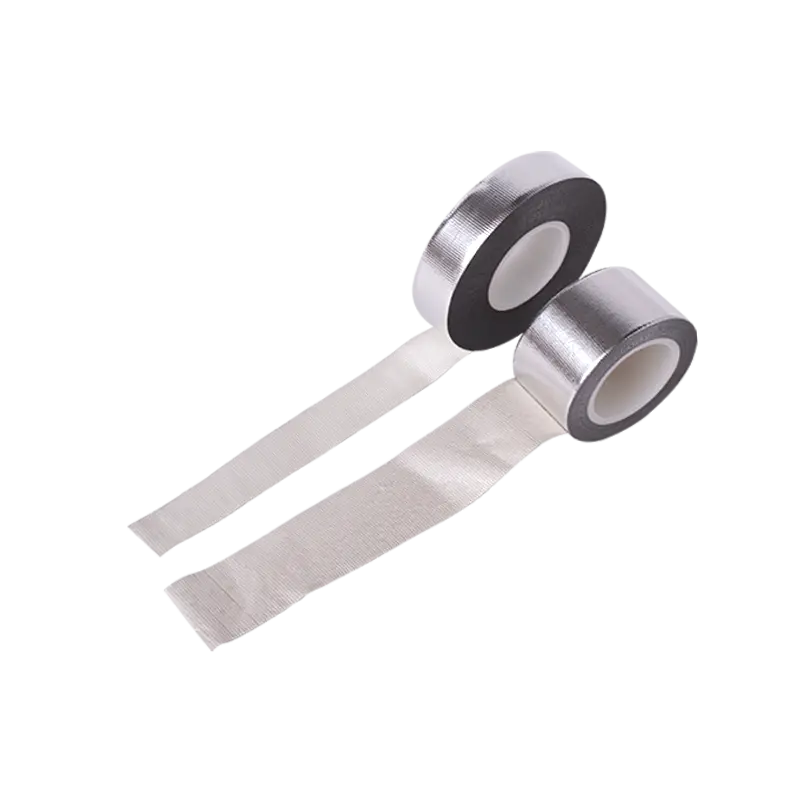
The standard liner-free aluminum foil adhesive tape is the highest-volume product in the category — used in the millions of linear meters annually for HVAC duct sealing, insulation jacketing, and general industrial sealing applications. Its construction — aluminium foil (30–50 µm) with solvent or water-based acrylic adhesive applied directly to one face — provides an optimal balance of cost, performance, and application convenience for non-precision sealing applications where application speed and coverage rate are prioritized over adhesive performance optimization.
Standard specifications for liner-free aluminum foil adhesive tape in HVAC applications:
High temperature aluminum foil adhesive tape addresses the thermal limitations of standard acrylic-adhesive tape constructions for applications involving sustained elevated temperatures, radiant heat exposure, or thermal cycling. Two primary high-temperature construction approaches are used:
| Property | Standard Foil Tape | Fiberglass Reinforced Foil Tape | Automotive High-Temp Foil Tape |
| Max service temperature | 120°C | 180–250°C | 250–300°C |
| Tensile strength (N/25 mm) | 35–70 | 80–200 | 100–250 |
| Adhesive system | Standard acrylic | High-temp acrylic or silicone | Silicone or modified acrylic |
| Fluid resistance | Water, dilute acids/bases | Good (acrylic) / Excellent (silicone) | Automotive fluids — validated |
| Typical application | HVAC, general sealing | Industrial insulation, HVAC high-temp zones | Engine bay, exhaust, heat shields |
Double sided aluminum foil adhesive tape wholesale products use the aluminium foil as a structural carrier layer with adhesive applied to both faces, protected by a single release liner on one face during storage. This construction enables bonding of two dissimilar substrates while simultaneously providing the foil's thermal, electrical, and barrier properties within the bond line:
Beyond standard foil and fiberglass-reinforced constructions, several specialty reinforcement architectures serve specific high-performance requirements:
Heat seal aluminum tape uses a thermally activated adhesive system rather than pressure-sensitive adhesive — the tape is applied to the substrate and then bonded by applying heat (typically 150–200°C) via heat gun, iron, or heated press. This construction provides higher bond strength and better resistance to bond line creep under sustained load than pressure-sensitive alternatives, making it the preferred choice for permanent insulation jacketing seams in process piping, cryogenic vessels, and industrial equipment where the tape must maintain integrity across decades of service without periodic replacement.
Aluminum foil adhesive tape for HVAC insulation is the single largest application segment for this product globally. In HVAC systems, the tape serves multiple simultaneous functions: sealing longitudinal and circumferential seams in flexible and rigid duct insulation jacketing to maintain the thermal and moisture vapor barrier integrity of the insulation system; reflecting radiant heat from duct surfaces to reduce thermal gain or loss; and providing a durable, cleanable outer surface that withstands the mechanical contact of installation and maintenance access.
HVAC-grade aluminum foil adhesive tape for HVAC insulation must comply with UL 181A-P or UL 181B-FX listing requirements (for use on rigid and flexible fiberglass duct board respectively) to be permitted in commercial HVAC installations under the US International Mechanical Code. These UL listings verify the tape's performance in the UL 181 duct leakage, temperature cycling, impact, and humidity resistance test sequence.
Self adhesive aluminum foil tape for ductwork is the specified sealing method for sheet metal duct joints, connections, and penetrations in energy-efficient building construction and HVAC commissioning standards. The 2021 International Energy Conservation Code (IECC) and ASHRAE Standard 90.1 require that all duct system joints and connections be sealed with tape, mastic, or equivalent materials meeting ASTM C916 — a requirement that drives substantial use of self adhesive aluminum foil tape for ductwork in commercial and residential construction.
Key performance requirements for ductwork sealing tape:
Aluminum foil adhesive tape waterproof sealing applications exploit the foil's near-zero moisture vapor transmission rate to create durable, waterproof seals on construction joints, pipe penetrations, roof membrane laps, and building envelope air barriers. In these applications, the tape functions as a combined mechanical seal and moisture vapor retarder — preventing both bulk water ingress and diffusive moisture movement through the sealed joint:
In automotive applications, aluminum foil adhesive tape — particularly high temperature aluminum foil adhesive tape with fiberglass reinforcement — is used for heat shield attachment, exhaust system thermal insulation, engine bay wiring harness protection, and catalytic converter wrap securing. These applications require sustained adhesion and foil integrity at temperatures of 200–300°C and resistance to automotive fluid contamination.
In electronics manufacturing, aluminium foil tape provides EMI/RFI shielding in mobile devices, laptops, and consumer electronics where the tape is applied over cable assemblies, PCB sections, and enclosure joints to suppress electromagnetic interference. The tape must meet the specific shielding effectiveness (SE) requirements of the device's electromagnetic compatibility (EMC) test program — typically 30–60 dB SE across the 100 MHz to 3 GHz frequency range for consumer electronics applications.
Foil gauge selection is the primary structural specification decision for aluminum foil adhesive tape. The relationship between gauge, tensile strength, and application suitability follows a consistent pattern:
| Foil Gauge (µm) | Tensile Strength (N/25 mm, approx.) | Conformability | Typical Application |
| 15–20 µm | 20–35 | Excellent — complex curves | Electronics shielding, light-duty sealing |
| 25–30 µm | 35–55 | Very good | Standard HVAC insulation, general sealing |
| 40–50 µm | 55–90 | Good | Heavy-duty HVAC, construction sealing |
| 60–100 µm | 90–160 | Moderate — best for flat surfaces | Industrial insulation, mechanical protection, heat shielding |
Adhesive chemistry is the second most critical selection variable for aluminum foil adhesive tape — determining temperature resistance, aging performance, chemical compatibility, and initial tack characteristics:
| Adhesive Type | Temperature Range | Initial Tack | Long-term Aging | Chemical Resistance | Best Application |
| Solvent acrylic | −40°C to +150°C | Medium-High | Excellent — minimal creep or yellowing | Good (water, dilute acids/bases) | HVAC, building construction, general industrial |
| Water-based acrylic | −30°C to +120°C | Medium | Good — lower VOC than solvent acrylic | Moderate | Low-VOC HVAC, indoor construction applications |
| Rubber (natural or synthetic) | −20°C to +80°C | Very High | Moderate — UV and ozone degradation risk | Moderate | General purpose, short-term bonding, cold climate |
| Silicone | −60°C to +260°C | Low-Medium | Excellent — exceptional thermal stability | Excellent (solvents, automotive fluids) | High temperature, automotive, aerospace |
Specifying temperature resistance for aluminum foil adhesive tape requires distinguishing between three thermal performance thresholds:
Regulatory compliance documentation is a mandatory procurement requirement for aluminum foil adhesive tape destined for regulated markets and applications:
Sourcing double sided aluminum foil adhesive tape wholesale and standard foil tape in bulk quantities delivers compounding commercial advantages for distributors, contractors, and OEM manufacturers:
| Parameter | Standard Stock Items | Custom Specification Items |
| MOQ | 500–2,000 rolls per SKU | 2,000–10,000 rolls (depending on width and foil gauge) |
| Lead time | 7–15 days | 20–40 days (inc. raw material, coating, slitting, QC) |
| Custom widths available | Standard: 25, 50, 75, 100, 150 mm | Any width from 6 mm to 1,200 mm |
| Custom lengths available | Standard: 10, 20, 25, 45, 50 m | Any length from 5 m to 500 m per roll |
| Foil gauge options | Typically 30 µm and 50 µm | 15–100 µm in standard alloy tempers |
| Custom packaging | Standard white box or bulk carton | Branded retail box, shrink wrap, custom inner core printing |
When qualifying a supplier for aluminum foil adhesive tape wholesale procurement, the following documentation should be requested and verified before supplier approval:
Beyond certification documentation, a structured factory and commercial evaluation should cover:
For global procurement teams evaluating supply chain options, the landed cost differential between established Asian manufacturers and European suppliers of aluminum foil adhesive tape is a structurally important consideration — particularly for high-volume HVAC, appliance OEM, and construction distribution channels. Manufacturers with integrated raw material sourcing, large-scale coating operations, and localized supply chains consistently deliver 10–15% lower unit costs on equivalent product specifications compared to EU-based production, without sacrificing compliance with RoHS, REACH, ISO 9001, or ISO 14001 requirements. This cost differential is not a quality trade-off — it is a structural outcome of scale economies, raw material proximity, and manufacturing efficiency.
| Sourcing Criterion | Established Asian Manufacturer | EU-Based Supplier |
| Unit cost (equivalent spec) | 10–15% lower | Baseline reference |
| MOQ flexibility | High — production scale supports varied MOQ tiers | Moderate — shorter runs carry premium pricing |
| Custom specification lead time | 20–40 days (sea freight + production) | 10–20 days (shorter transit) |
| Regulatory compliance | RoHS, REACH, ISO 9001, ISO 14001, SGS — fully achievable | RoHS, REACH, ISO — standard |
| OEM/private label capability | Extensive — most large manufacturers offer full OEM/ODM | Limited — fewer manufacturers offer private label at scale |
Established in 2005 and operating from a dedicated manufacturing facility of nearly 11,000 square meters with a team of 100 specialists, we have grown over two decades into a high-tech enterprise fully integrating R&D, production, and sales of premium adhesive tape solutions. Our sustained, focused investment in aluminum foil adhesive tape technology — rather than diversified general manufacturing — has produced the process depth, application knowledge, and batch-to-batch quality consistency that global OEM customers require from a long-term strategic supply partner.
Our facility operates dedicated adhesive coating lines, precision slitting equipment, and a controlled-environment quality inspection area. This infrastructure delivers the production consistency required for high-volume supply of high temperature aluminum foil adhesive tape, self adhesive aluminum foil tape for ductwork, double sided aluminum foil adhesive tape wholesale orders, and specialty reinforced variants — across every production batch, without exception.
Our comprehensive aluminum foil adhesive tape product program covers eight distinct product series, each engineered to specific performance requirements across target applications:
In addition to our aluminum foil adhesive tape series, our product portfolio includes PU/PE/NBR foam solutions and film tape solutions — enabling single-source supply for HVAC equipment manufacturers and appliance OEMs requiring multiple tape and sealing material types across their production lines.
Our aluminum foil adhesive tape products are qualified and actively supplied to recognized global manufacturing leaders across the home appliance, HVAC, and electronics sectors, including Midea, KOREL, TCL, Zoppas, Skyworth, Vestel, KEGHICON, and KONKA. These partnerships are not incidental — they reflect the outcome of formal supplier qualification audits conducted by procurement teams with zero tolerance for quality deviation. Qualification by a major appliance or HVAC OEM requires documented conformance to dimensional specifications, adhesive performance specifications, regulatory compliance requirements, and ongoing batch CoA submission — all of which we deliver as standard practice, not as exceptions.
For wholesale distributors and B2B procurement managers, OEM qualification status provides the most credible third-party evidence of a manufacturer's production quality and supply chain reliability — evidence that self-certification and marketing materials cannot substitute.
Our quality management system is certified to ISO 9001 and our environmental management system to ISO 14001 — with both certifications scope-covering our aluminum foil adhesive tape manufacturing operations. Product-level compliance documentation includes:
This documentation package meets the procurement qualification requirements of major HVAC OEMs, European appliance manufacturers, and automotive Tier 1 suppliers operating under regulated supply chain compliance programs.
Committed to delivering pragmatic, cost-effective aluminum foil adhesive tape solutions backed by genuine manufacturing competence, our objective is to build long-term supply partnerships with distributors, OEM procurement teams, and wholesale buyers who value quality consistency, responsive technical support, and 10–15% structural cost savings versus EU-sourced equivalents. By continuously innovating our product range and deepening collaborative relationships with global partners, we pursue shared growth in the adhesive tape industry — not transactional supply.
Liner-free aluminum foil adhesive tape uses the back surface of the foil as a natural release interface in roll form, enabling faster application with no liner removal or disposal step — making it the standard choice for high-volume HVAC duct sealing and insulation jacketing. Tape with a release liner carries a silicone-coated paper or film liner over the adhesive face, which protects the adhesive until the moment of application and allows a higher-performance adhesive formulation unconstrained by the back-surface release requirement. Lined tape is preferred for precision die-cutting, electronics shielding assembly, and automotive applications where adhesive performance optimization outweighs the convenience of liner-free handling.
High temperature aluminum foil adhesive tape performance depends on the adhesive system and reinforcement construction. Standard high-temperature acrylic adhesive with fiberglass scrim reinforcement provides continuous service to +180°C and peak resistance to +200–220°C. Silicone adhesive systems on fiberglass-reinforced foil extend continuous service temperature to +260°C, with short-duration peak resistance to +300°C. Automotive high temperature resistance fiberglass aluminum foil tape is specifically validated for the −40°C to +300°C thermal cycling profiles and automotive fluid exposure conditions of underhood applications. For any application above +150°C, specifying the adhesive type and obtaining manufacturer confirmation of continuous versus peak temperature ratings is essential.
Self adhesive aluminum foil tape for ductwork must carry a UL 181A-P listing (for rigid fiberglass duct board) or UL 181B-FX listing (for flexible fiberglass duct) to be code-compliant for use in commercial HVAC duct systems under the US International Mechanical Code and ASHRAE Standard 90.1. These listings verify that the tape passes the UL 181 test sequence for duct leakage, temperature cycling (to 82°C), humidity resistance, and impact resistance. Always verify the UL listing number on the tape roll and the manufacturer's current UL certificate before specifying for commercial HVAC projects — UL listings can be suspended or modified.
Sourcing double sided aluminum foil adhesive tape wholesale in volume delivers four structural advantages: significantly lower unit cost (typically 35–55% below retail pricing at 50,000+ meter annual volumes); access to custom specifications — foil gauge, adhesive type, tape width, roll length, and packaging — that are only produced at production-scale MOQs; consistent batch quality from a single qualified source rather than accumulated variation from multiple small purchases; and OEM/private label supply capability for distributors building proprietary product lines. For procurement teams managing annual tape volumes above 10,000 rolls, a direct wholesale manufacturer relationship with a qualified supplier delivers superior commercial outcomes on every metric compared to retail or distributor-sourced supply.
Verifying aluminum foil adhesive tape waterproof sealing performance for a specific application requires three complementary data points: first, the foil gauge specification (≥ 15 µm for essentially zero MVTR — confirm with manufacturer's foil specification sheet); second, the adhesive peel adhesion on the specific substrate to be sealed, measured to ASTM D3330 at the minimum installation temperature and after accelerated aging at the maximum service temperature; and third, seam integrity testing under the actual service conditions — hydrostatic water pressure for roofing and pipe penetration applications, or temperature-humidity cycling for building envelope and refrigeration applications.
References

Our company has been engaged in the tape manufacturing industry for more than 20 years, and has been focusing on various types of aluminum foil tapes, foam tapes, refrigerator tapes, etc.
IsabelLina
Email:[email protected]
Mobile/Whatsapp: +86 190 3379 1110
Mars Gong
Email:[email protected]
Mobile/Whatsapp: +86 159 5136 0053
Address: West side of Yingbin Avenue and south side of hengwang packaging. Suqian Economic and Technological Development Zone,Jiangsu Province
Copyright © Jiangsu Shixin Adhesive Tape Product Co., Ltd. All Rights Reserved. Custom ODM Refrigerator Foil Adhesive Tapes Manufacturers