2026-10-23
Automotive wire harnesses routed near engines and other heat sources need more than a reflective metal surface. The tape must also resist tearing, moisture, chemicals, and short-term high-temperature exposure while maintaining stable coverage around cables and components.
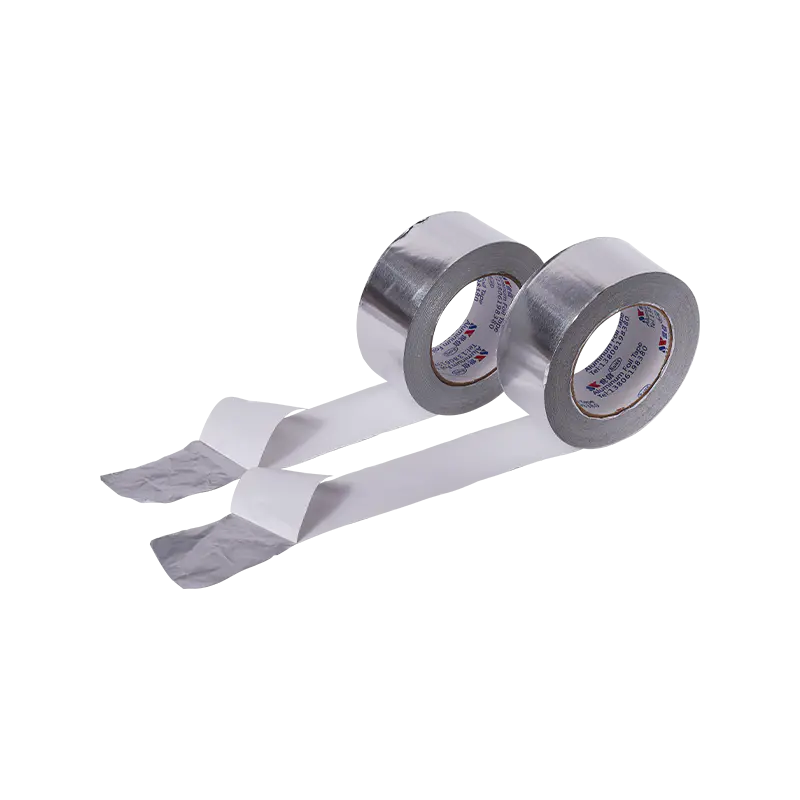
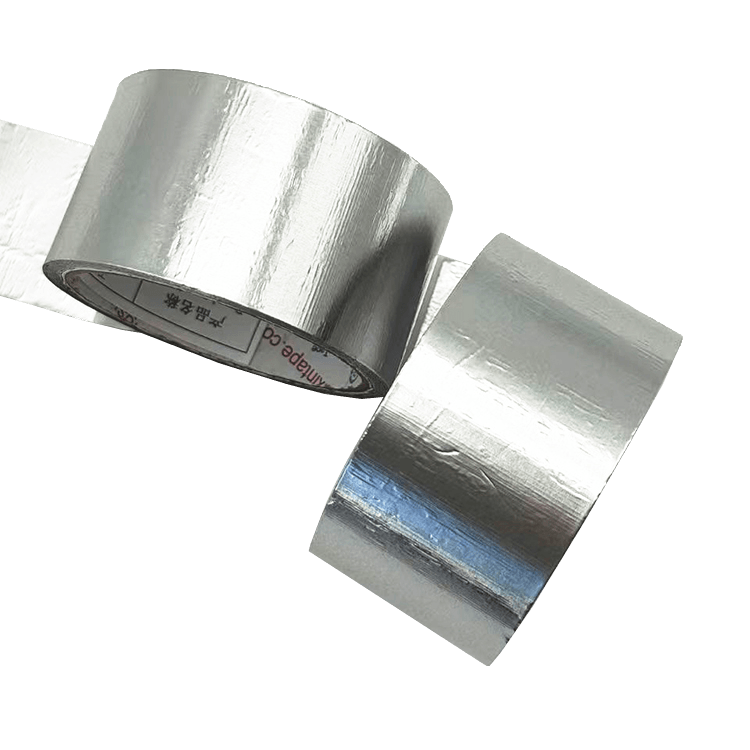
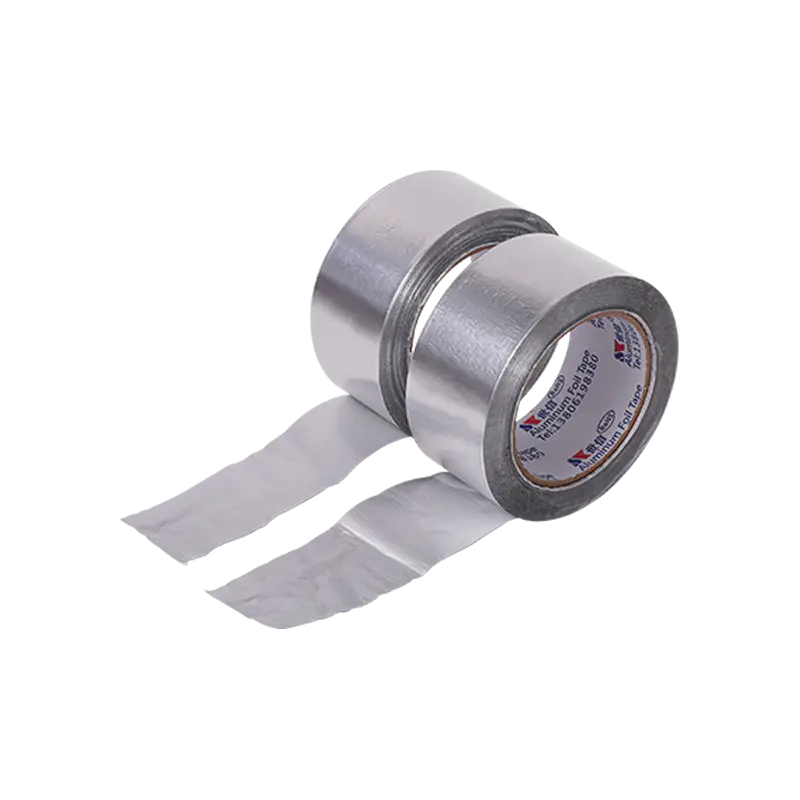
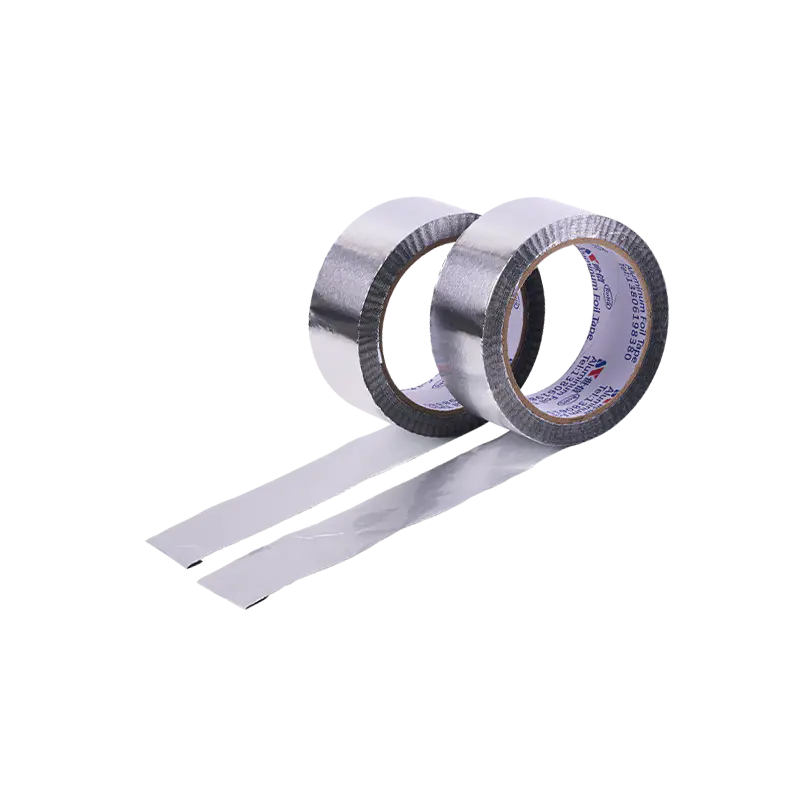
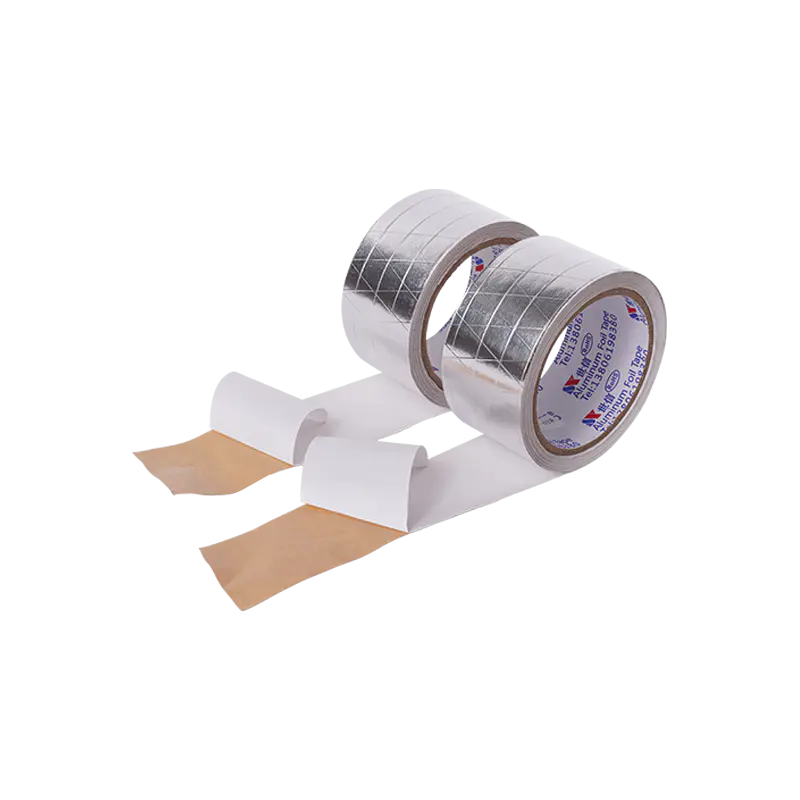
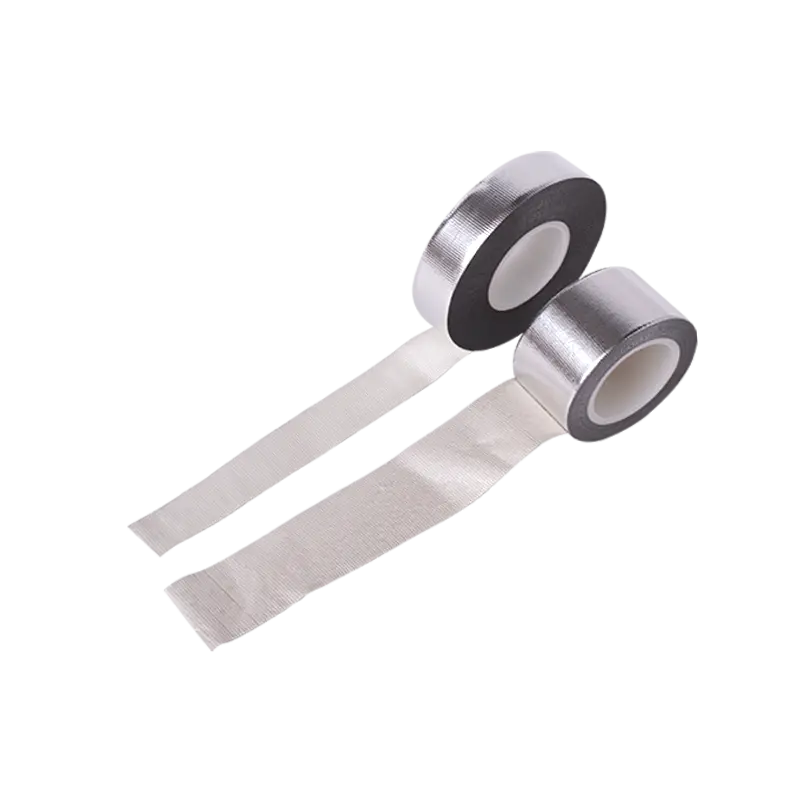
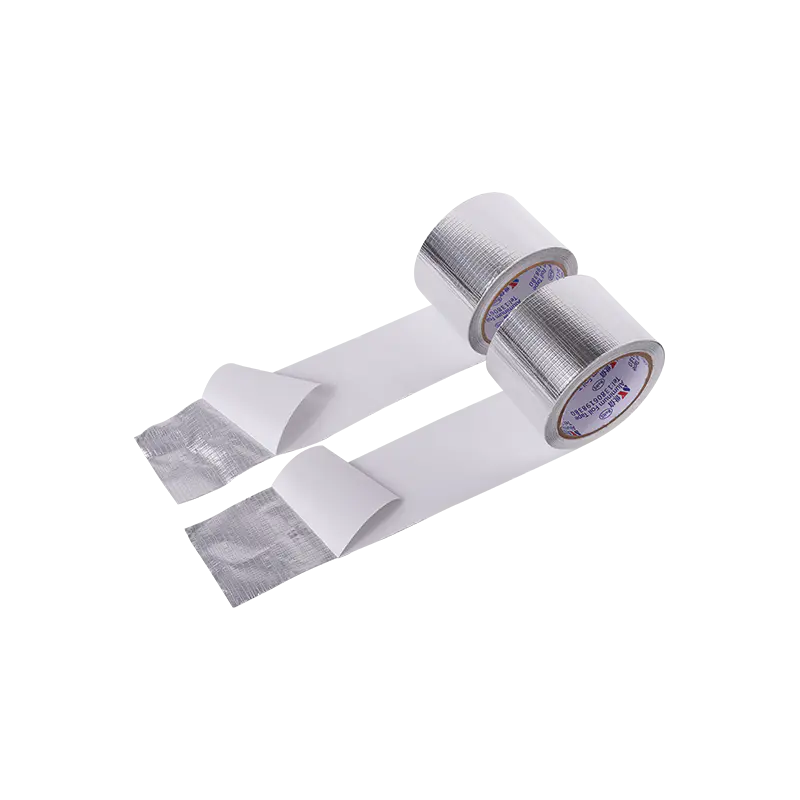
Shixin's automotive high-temperature fiberglass aluminum foil tape combines aluminum foil, fiberglass cloth, and a silicone adhesive system. Current product data lists a total thickness of 170 μm, peel adhesion of 4 N/cm, 250°C × 6 h thermal aging, 260°C instantaneous heat resistance, and tensile strength of at least 260 N/cm.
The product is intended for automotive wire harnesses, engine-area components, localized heat reflection, moisture resistance, chemical resistance, and flame-resistant protection. Its verified temperature data should not be converted into an unsupported continuous-service rating.
|
Quick Answer: For automotive wire-harness and engine-area heat protection, a fiberglass-reinforced aluminum foil tape with silicone adhesive is generally more suitable than a non-reinforced foil tape when the application requires higher tensile strength, tear resistance, and stability under heat and vibration. Final qualification should reproduce the customer's actual temperature cycle, substrate, wrapping geometry, and environmental conditions. |
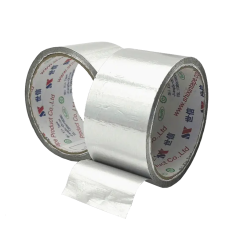
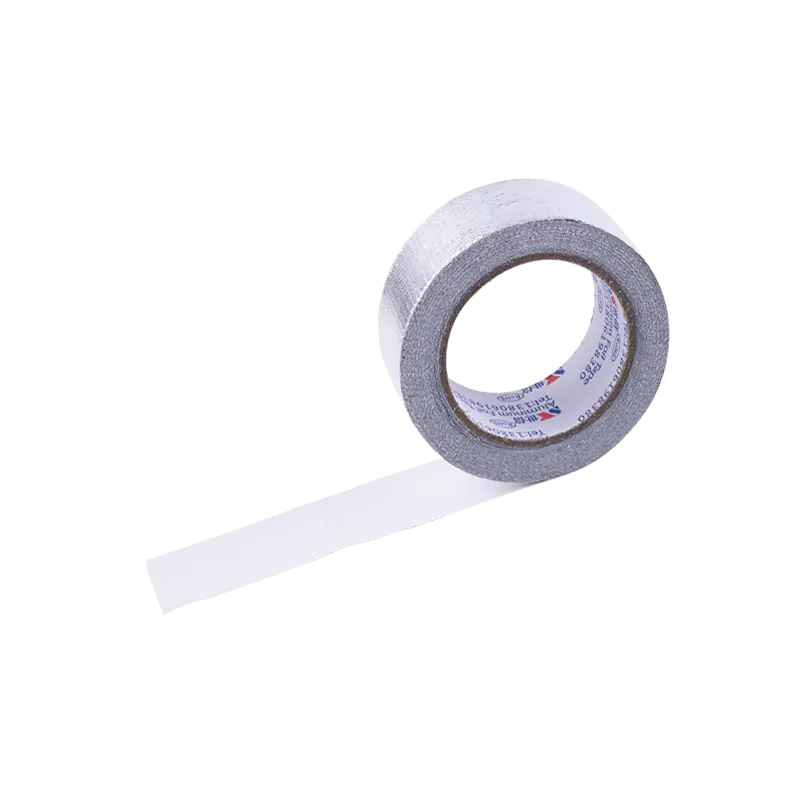
Shixin automotive high-temperature fiberglass aluminum foil tape
What Makes Automotive Fiberglass Aluminum Foil Tape Different?
The key difference is the reinforced composite structure. Aluminum foil provides a reflective and protective outer surface, while fiberglass cloth improves tensile strength and resistance to tearing. The silicone adhesive system is selected for high-temperature automotive applications where heat, moisture, chemicals, and mechanical stress may occur together.
This is different from treating every shiny foil tape as a flame-shielding or electrical-shielding material. Heat reflection, flame resistance, mechanical reinforcement, and EMI shielding are separate performance requirements and should only be claimed when the exact construction has supporting test data.
Verified Shixin Product Data
|
Specification |
Current Shixin Product Data |
|
Product type |
Automotive high-temperature fiberglass aluminum foil tape |
|
Structure |
Aluminum foil + fiberglass cloth + silicone adhesive; current internal sheet also lists a release-agent layer |
|
Adhesive system |
Silicone |
|
Adhesive side |
Single-sided |
|
Total thickness |
170 μm |
|
Peel adhesion |
4 N/cm |
|
Thermal aging |
250°C × 6 h |
|
Instantaneous heat resistance |
260°C |
|
Tensile strength |
≥ 260 N/cm |
|
Current compliance documents |
REACH / RoHS / ISO 9001 / SGS listed in the product information |
|
Typical applications |
Automotive wire harnesses, engine compartments, sensitive automotive components, localized heat reflection and protection |
|
Data Note: The 250°C × 6 h aging condition and the 260°C instantaneous heat-resistance value describe different test conditions. Neither should automatically be presented as a 250-260°C continuous-service rating. |
Why Standard Foil Tape May Be Insufficient for Wire Harness Protection
A standard non-reinforced aluminum foil tape can work well for HVAC sealing, insulation joints, and general reflective applications. Automotive cable protection adds different mechanical and environmental demands.
What Do 250°C × 6 h Aging and 260°C Instantaneous Heat Resistance Mean?
Temperature ratings are easy to misread. A short-term peak value, a thermal-aging condition, and a continuous-service temperature are not interchangeable.
|
Temperature statement |
What it tells you |
How to use it |
|
250°C × 6 h thermal aging |
The construction has a documented aging condition at 250°C for at least six hours in the current product data. |
Use it as a qualification reference, then confirm adhesion and physical condition under your own substrate and loading conditions. |
|
260°C instantaneous heat resistance |
The tape is listed as withstanding a short instantaneous exposure up to 260°C. |
Do not convert this value into a 260°C continuous operating rating. |
|
Continuous service |
Not defined by the current internal product sheet. |
If continuous high-temperature duty is required, define the time/temperature profile and verify it through customer-specific testing. |
Where This Tape Fits in Automotive Applications
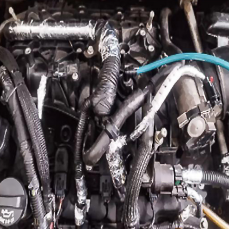
Application example: heat-exposed automotive wire harnesses and engine-area components
Automotive Wire Harnesses
The fiberglass-reinforced construction is suitable for protecting wire harnesses and cable bundles where heat reflection, mechanical strength, moisture resistance, and chemical resistance are required together.
Engine Compartments
Around engine-area components, the reflective aluminum surface can help reduce radiant heat exposure, while fiberglass reinforcement supports mechanical durability. Product selection should still account for distance from the heat source, airflow, vibration, surface contamination, and the actual temperature cycle.
Sensitive Automotive Components
The tape can also be evaluated for localized protection of heat-sensitive components where a conformable, reinforced reflective layer is needed. It should not be presented as a substitute for an engineered thermal barrier unless the complete assembly has been qualified for that function.
Application and Qualification Guidelines
Application quality matters, but there is no universal wrapping angle or overlap ratio that should be presented as a Shixin standard without project-specific validation. Use the customer's harness design and qualification method to define the installation parameters.
How to Evaluate a Supplier for Automotive High-Temperature Foil Tape
For a safety- and reliability-sensitive automotive application, procurement should focus on the exact construction and its supporting data rather than on a generic 'high-temperature foil tape' label.
Jiangsu Shixin Adhesive Tape Product Co., Ltd. can discuss custom widths, roll formats, adhesive-system requirements, and trial samples for automotive heat-protection applications. Current product information lists widths such as 25, 48, 50, 63, 75, and 100 mm, with additional sizes available, and roll lengths including 5, 50, 100, and 600 m with customization upon request.
Frequently Asked Questions
What temperature can Shixin automotive fiberglass aluminum foil tape withstand?
Current product information lists 250°C × 6 h thermal aging and 260°C instantaneous heat resistance. These values should not be described as a 250-260°C continuous-service rating. Continuous-duty applications should be qualified using the customer's actual time and temperature profile.
What adhesive is used in the automotive high-temperature fiberglass foil construction?
The current Shixin product sheet lists a silicone adhesive system. This is different from Shixin's general aluminum fiberglass foil tape constructions that may use acrylic adhesive systems for other applications.
Does the tape have flame-resistant properties?
The current product information describes the automotive fiberglass aluminum foil tape as flame resistant. A specific UL 94 V-0 or VTM-0 rating should not be stated unless the relevant report for the exact construction is available.
Can the same tape also provide EMI shielding?
Not automatically. Heat reflection and EMI shielding are separate specifications. If EMI shielding is required, the conductive path, adhesive conductivity, grounding design, and shielding test data should be specified separately.
Is fiberglass-reinforced foil tape always better than pure aluminum foil tape?
No. Fiberglass reinforcement is generally more suitable when higher tensile strength, tear resistance, and mechanical stability are required. Pure aluminum foil tape remains appropriate for many HVAC, sealing, and reflective applications where reinforcement is unnecessary.
|
Discuss Your Application: Share your operating temperature profile, harness or component geometry, required width and length, environmental exposure, and qualification requirements with Shixin. Samples can then be evaluated under conditions closer to the real production application. |

Our company has been engaged in the tape manufacturing industry for more than 20 years, and has been focusing on various types of aluminum foil tapes, foam tapes, refrigerator tapes, etc.
IsabelLina
Email:[email protected]
Mobile/Whatsapp: +86 190 3379 1110
Mars Gong
Email:[email protected]
Mobile/Whatsapp: +86 159 5136 0053
Address: West side of Yingbin Avenue and south side of hengwang packaging. Suqian Economic and Technological Development Zone,Jiangsu Province
Copyright © Jiangsu Shixin Adhesive Tape Product Co., Ltd. All Rights Reserved. Custom ODM Refrigerator Foil Adhesive Tapes Manufacturers