2026-09-18
Content
For HVAC repair, the right foil tape is not selected by “heat resistance” alone. Reliable performance depends on matching the adhesive system, substrate, moisture exposure, mechanical stress, liner configuration and tape construction to the actual operating conditions. Single-sided aluminum foil tape is commonly used for duct joints, insulation-facing repairs and vapor-barrier restoration because it combines a metal barrier surface with pressure-sensitive adhesion. Reinforced constructions are preferred when vibration or tearing risk is higher, while lined and linerless versions serve different installation workflows.
HVAC repair is often treated as a simple sealing task, but field failures usually come from a mismatch between tape construction and service conditions. A tape may bond well during installation and still lift later because the substrate was contaminated, condensation was present, the adhesive was not suited to the temperature range, or the joint was exposed to movement the tape could not accommodate. For procurement teams and technicians, the practical question is therefore not “Is foil tape good for HVAC?” but “Which foil tape construction is appropriate for this specific HVAC surface and operating condition?”
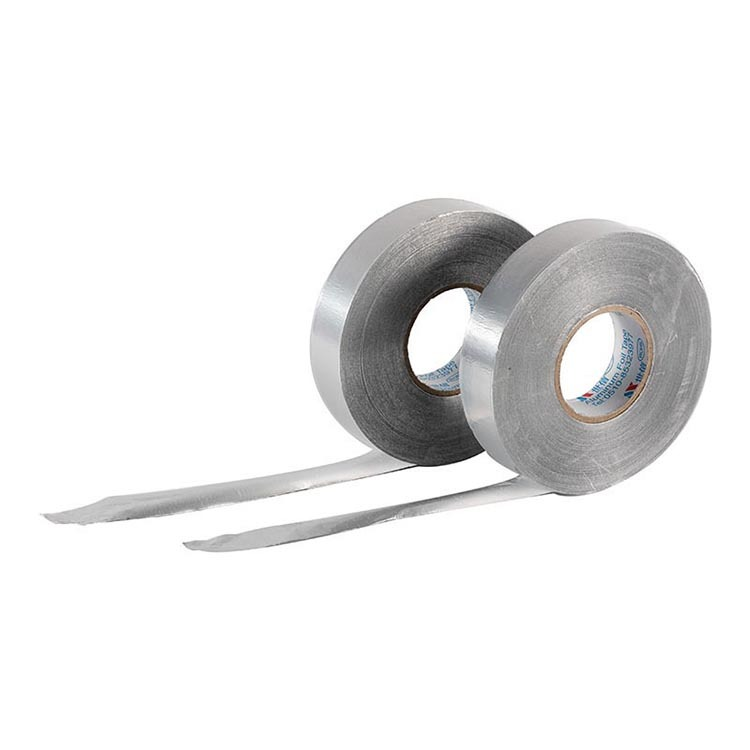
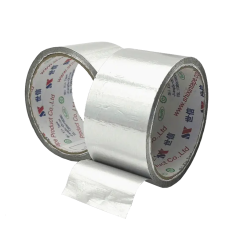
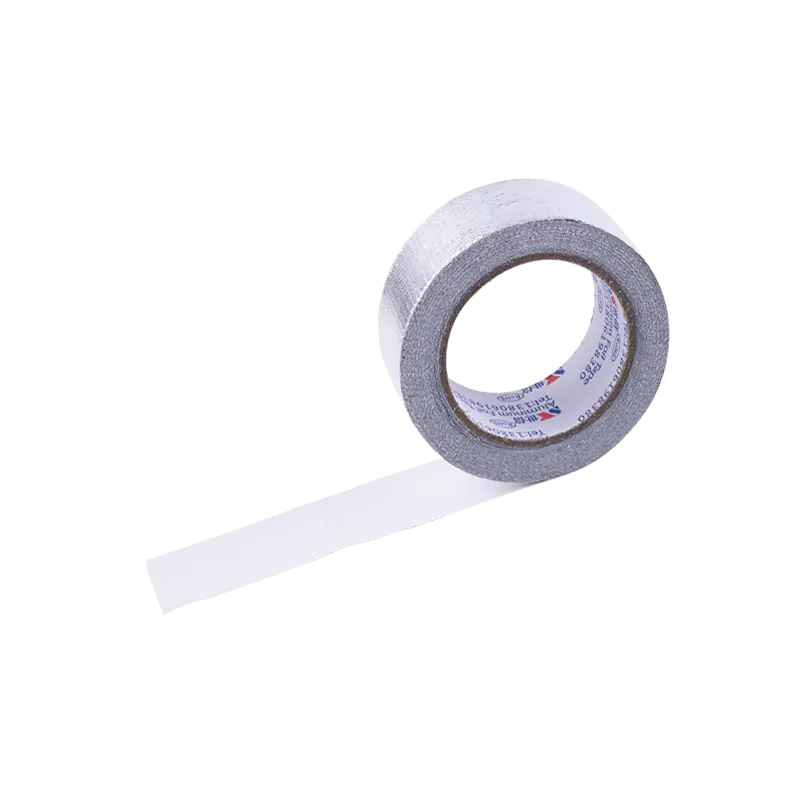
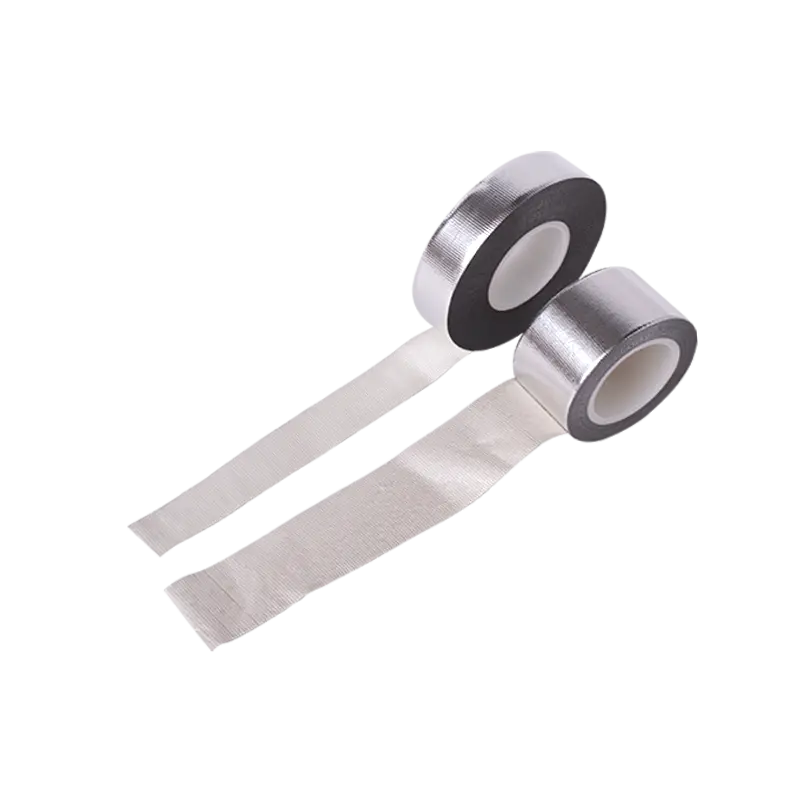
Linerless aluminum foil tape product photograph
Single-sided foil tape is designed to seal, cover or protect an exposed surface. The adhesive is applied on one side of the aluminum-based backing, while the outer foil surface remains exposed. In HVAC work, this makes the tape suitable for tasks such as:
Foil tape should not be treated as a substitute for structural repair. A collapsed duct, separated mechanical joint, severely corroded section or damaged load-bearing component must be repaired first. The tape is the sealing layer, not the structural member.
Temperature is one of the first screening criteria, but the verified service range belongs to a specific product construction and adhesive system. It should not be inferred from the aluminum backing alone. Shixin supplies aluminum foil tape with different adhesive systems, including water-based acrylic, solvent-based acrylic, rubber and specialty silicone formulations for different requirements.
|
Selection Question |
What to Check |
Why It Matters |
|
What is the normal surface temperature? |
Confirm the continuous operating range for the exact tape grade. |
Long-term heat exposure can reduce holding power even when short exposure causes no visible damage. |
|
Are there cold-start or refrigeration conditions? |
Confirm low-temperature tack and flexibility. |
Some adhesives lose initial tack or flexibility when applied or operated at low temperature. |
|
Will the joint cycle between hot and cold? |
Ask for a grade suitable for thermal cycling and verify by sample testing. |
Repeated expansion and contraction can create edge-lifting stress. |
|
Is the requirement extreme-temperature rather than standard HVAC? |
Use a dedicated high-temperature construction and confirm the exact data sheet. |
Do not transfer temperature claims from a silicone or automotive grade to a standard HVAC tape. |
The published parameter table lists a service-temperature range of -10°C to 90°C for SXATW-03W and -10°C to 120°C for SXATW-03R. These are grade-specific published values, not installation-temperature limits or evidence of long-term performance under every HVAC condition. Request the current technical data sheet and validate the selected grade on the actual assembly.
The same tape can behave differently on galvanized steel, stainless steel, aluminum, foil-faced insulation or a flexible jacket. Surface energy, contamination, texture and movement all affect adhesive wet-out and long-term holding.
|
Substrate |
Main Risk |
Recommended Approach |
|
Galvanized steel duct |
Oil, dust or fabrication residue can reduce contact. |
Clean and dry the surface; verify the adhesive on the actual metal finish. |
|
Stainless steel |
Smooth surfaces can look clean while still carrying processing oil. |
Degrease where required and apply firm pressure across the full tape width. |
|
Aluminum |
Oxide, dust or surface contamination may reduce consistency. |
Use a clean, dry surface and validate adhesion before large-scale use. |
|
Foil-faced insulation |
Different facings use different laminates and surface treatments. |
Test on the actual facing rather than assuming all foil facings behave the same. |
|
Fiberglass duct board / fibrous surfaces |
Loose fibers can prevent direct adhesive contact. |
Bond to the compatible facing, not bare loose fibers; follow the duct-system manufacturer’s closure instructions. |
|
Flexible duct jacket |
Movement and curvature can stress tape edges. |
Use a conformable tape and avoid stretching during application. |
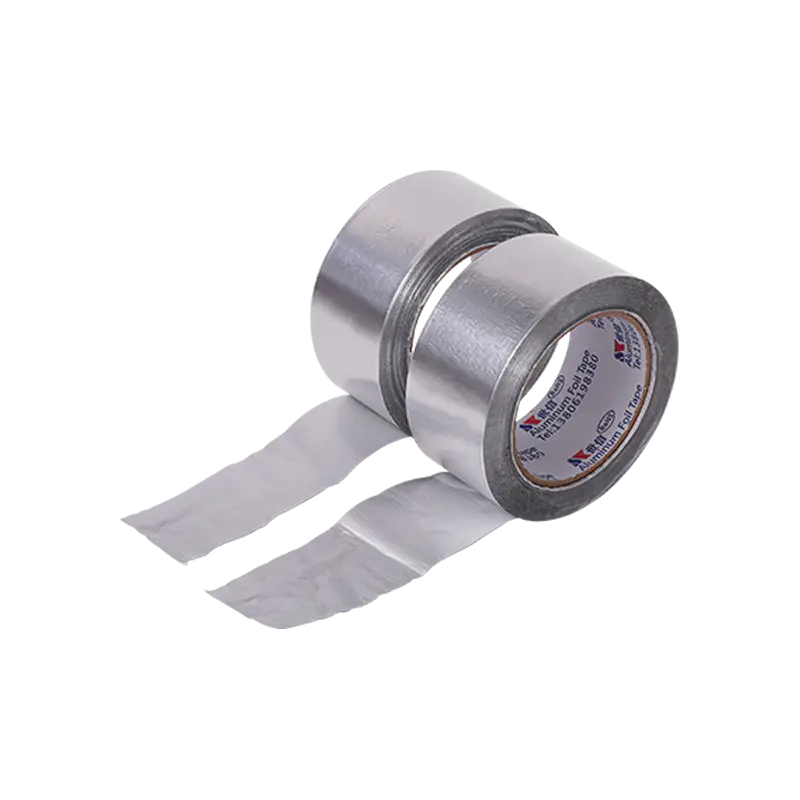
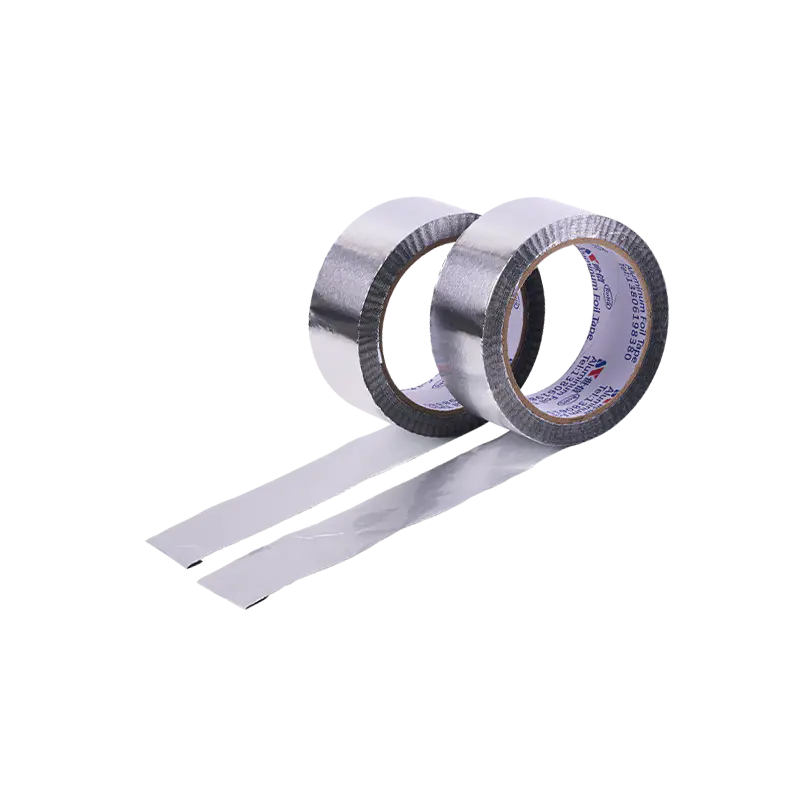
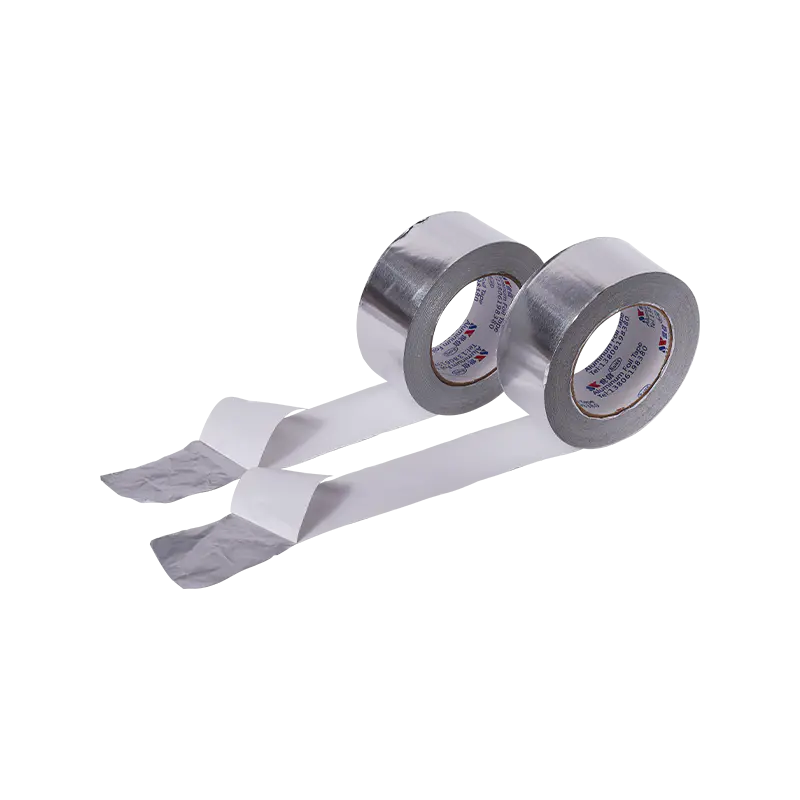
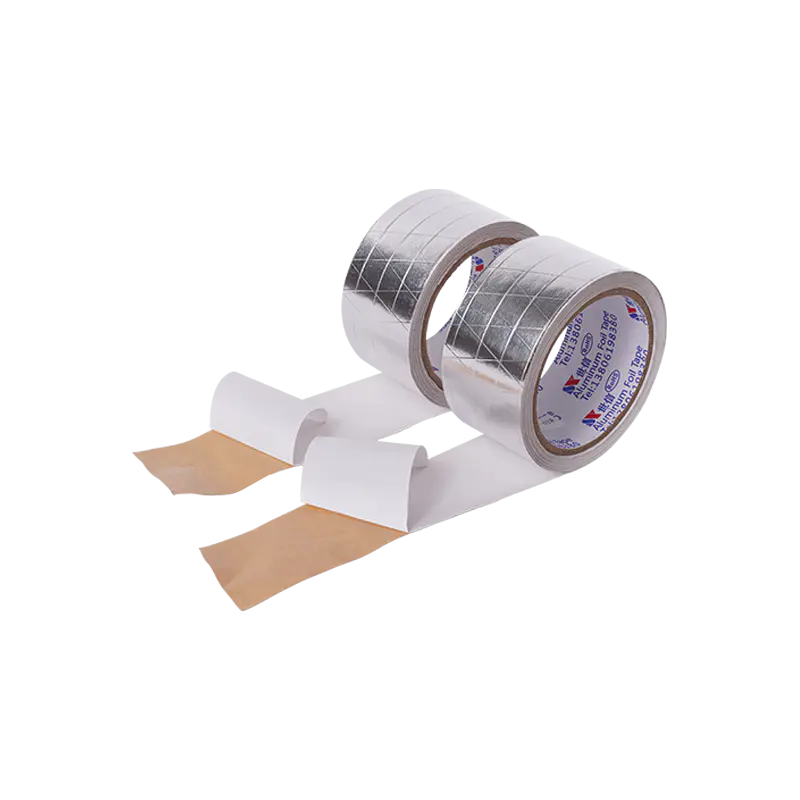
A release liner changes handling, positioning and process speed. It does not automatically determine whether a tape is “professional” or “temporary.” Shixin manufactures both lined and linerless aluminum foil tapes for industrial use, including refrigeration and HVAC-related applications.
|
Factor |
With Release Liner |
Linerless / Self-Wound |
|
Positioning |
Allows controlled placement before the adhesive is fully exposed. |
Faster placement, but the adhesive contacts the surface immediately. |
|
Handling |
Useful when long pieces must be aligned accurately. |
Reduces liner waste and can simplify continuous application. |
|
Production use |
Common for manual fitting and applications needing precise placement. |
Well suited to machine use and high-volume workflows where speed matters. |
|
Waste |
Creates release-liner waste. |
No release liner to remove or dispose of. |
|
Contamination risk |
Adhesive stays protected until use. |
Keep the roll and unwound adhesive clean; the adhesive is protected by the adjacent backing while wound. |
For OEM production, linerless tape can be a deliberate process choice rather than a compromise. Shixin’s current linerless aluminum foil tape data lists machine and manual use, widths including 25, 48, 50, 63, 75 and 100 mm, and long-roll options including 600 m, with custom sizes available.
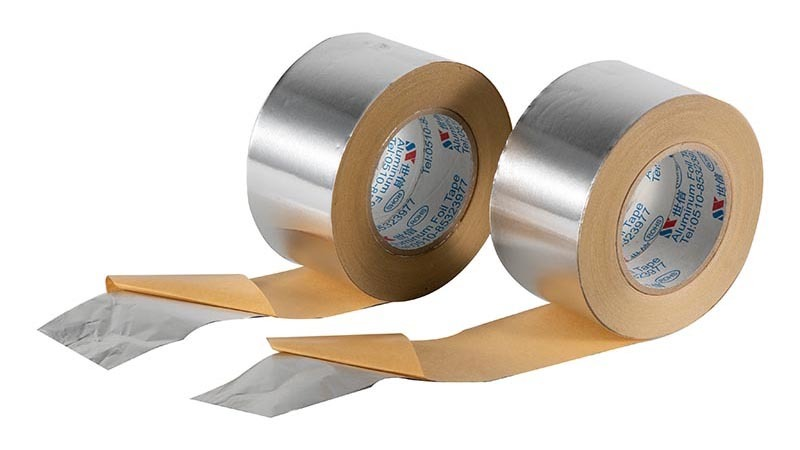
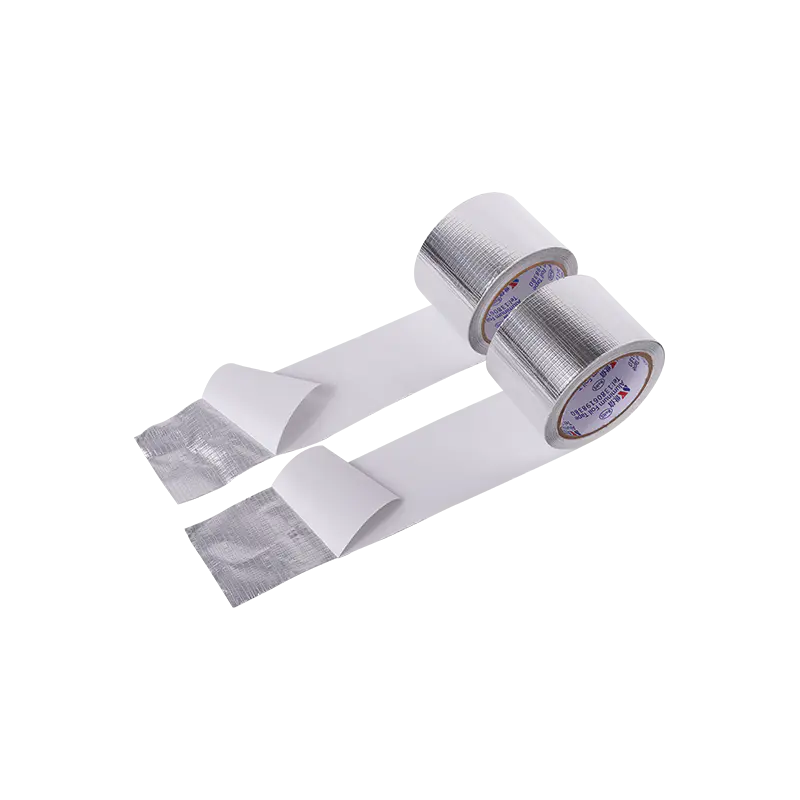
Aluminum foil tape with a release liner
Plain aluminum foil tape is highly conformable and works well for many static seams. Reinforced structures add mechanical support when the joint is more exposed to tearing, handling stress, vibration or movement.
|
Construction |
Strength |
Conformability |
Typical Use |
|
Plain aluminum foil tape |
Good for general sealing; easier to tear and shape. |
High |
General duct sealing, insulation-facing seams, appliance and refrigeration applications. |
|
Fiberglass aluminum foil tape |
Higher tear and puncture resistance. |
Moderate |
Ducting, insulation panels, construction and mechanically demanding seams. |
|
FSK reinforced foil tape |
Reinforced foil-scrim-kraft structure. |
Moderate |
Insulation joints, duct wrap and vapor-barrier facing applications. |
|
SS reinforced foil tape |
Composite reinforced structure with higher mechanical stability. |
Moderate |
Glass wool, rock wool and duct-board joints, including rigid and flexible duct applications. |
The key is to compare like with like. Tensile and tear values should be evaluated within the same backing construction. A generic number for “reinforced foil tape” should not be presented as the specification of every reinforced product.
Width determines how much bonded area is available on each side of a seam. Thickness affects handling, conformability and mechanical durability, but “thicker” is not always “better.” A thicker construction may resist puncture more effectively while becoming less conformable around corners and irregular geometry.
|
Application Condition |
Primary Selection Focus |
Likely Construction Direction |
|
Standard metal duct seam |
Adhesion to clean metal, easy handling, moisture resistance |
Plain acrylic foil tape or an application-specific grade |
|
Refrigeration / cold-side work |
Low-temperature tack, condensation exposure, clean substrate |
Grade verified for low-temperature use; lined or linerless according to process |
|
Heating duct |
Continuous service temperature and thermal cycling |
Acrylic grade verified for the expected temperature |
|
Insulation-facing seam |
Compatibility with facing, vapor-barrier continuity, conformability |
Plain or reinforced foil tape depending on stress |
|
High-vibration joint |
Tear resistance and mechanical stability |
Fiberglass or scrim-reinforced construction |
|
Extreme-temperature application |
Verified product-specific data, not a generic HVAC label |
Dedicated high-temperature / silicone construction where applicable |
Request the current compliance documents for the exact tape grade and destination market. Management-system certificates describe the manufacturer’s systems; RoHS or REACH documentation concerns defined substance requirements, and an SGS report applies to its stated sample and test scope.
If a project specifically requires UL 181 or another third-party listing, confirm that requirement before ordering and request the exact applicable documentation for the proposed tape. Do not assume that a company-level certificate or a different product’s test report automatically applies to every HVAC tape.
Shixin began in Wuxi, Jiangsu, in 2005 with the establishment of Wuxi Shixin Adhesive Tape Products Co., Ltd., focusing on adhesive tape development, manufacturing and sales. As the business expanded, the company invested in a new factory in Suqian, Jiangsu, in 2018 and established Jiangsu Shixin Adhesive Tape Product Co., Ltd. (Shixin Tape), expanding its industrial tape manufacturing capabilities.
Today, Shixin operates on a site of approximately 12,000 square meters and manufactures aluminum foil tapes, heat-seal aluminum tapes, film tapes and foam tapes for refrigeration, air conditioning, insulation and other industrial applications. For HVAC and refrigeration projects, Shixin helps buyers select tape constructions and custom specifications based on the substrate, operating temperatures and installation or production process, with sample testing to evaluate performance in the intended application.
For HVAC and refrigeration applications, a more reliable sourcing process is to start with the real substrate, temperature range, installation method and required documentation, then test a sample under representative conditions. This reduces the risk of selecting a tape based on a generic “high-temperature” claim that does not match the actual application.
No. Linerless tape is widely used in industrial and OEM workflows because it removes the release-liner step and can support faster manual or machine application. Suitability depends on the actual product grade and application conditions, not simply on whether a liner is present.
No. Reinforcement is valuable when tear resistance, vibration or mechanical stress is important. Plain foil tape is often more conformable for static seams and irregular shapes.
No. Temperature capability depends on adhesive chemistry and construction. Use the verified data for the exact grade and do not transfer a specialty silicone or automotive temperature claim to a standard HVAC tape.
Test adhesion on the real substrate, application handling, edge lift after thermal cycling, moisture exposure where relevant, and compatibility with the installation or production process.
Yes. Shixin supports sample testing and can customize width, length, adhesive system and packaging according to the application and order requirements.
Discuss Your HVAC Application | Request Technical Data | Request a Sample

Our company has been engaged in the tape manufacturing industry for more than 20 years, and has been focusing on various types of aluminum foil tapes, foam tapes, refrigerator tapes, etc.
IsabelLina
Email:[email protected]
Mobile/Whatsapp: +86 190 3379 1110
Mars Gong
Email:[email protected]
Mobile/Whatsapp: +86 159 5136 0053
Address: West side of Yingbin Avenue and south side of hengwang packaging. Suqian Economic and Technological Development Zone,Jiangsu Province
Copyright © Jiangsu Shixin Adhesive Tape Product Co., Ltd. All Rights Reserved. Custom ODM Refrigerator Foil Adhesive Tapes Manufacturers