2026-10-23
Content
Automotive Wire Harness Fiberglass Tape is engineered to protect automotive wiring from heat, abrasion, vibration, mechanical friction, and environmental stress. It typically consists of a fiberglass substrate combined with a pressure-sensitive adhesive layer. The fiberglass provides mechanical reinforcement and dimensional stability, while the adhesive secures the tape to the wire harness during installation and service.
Unlike conventional electrical tapes that primarily focus on insulation or basic bundling, fiberglass tape is designed for applications where mechanical strength and thermal resistance are equally important. Automotive wire harnesses may be exposed to continuous vibration, repeated bending, contact with brackets or sharp edges, and elevated temperatures. Therefore, the tape should be selected according to the actual operating environment rather than based on a single performance parameter.
The fiberglass substrate forms the structural foundation of the tape. A woven or reinforced fiberglass structure provides high tensile strength, good tear resistance, and dimensional stability. These properties help the tape maintain its protective structure when the harness is exposed to vibration, movement, or mechanical contact.
The adhesive layer determines how effectively the tape remains attached to the harness. Important adhesive characteristics include initial tack, peel adhesion, holding power, temperature resistance, aging stability, and residue behavior. For high-temperature applications, the adhesive must remain stable throughout the expected operating temperature range.
Temperature resistance is one of the main advantages of fiberglass-based harness tape. Wiring routed through engine compartments, powertrain areas, or locations close to heat-generating components may experience significantly higher temperatures than wiring installed inside the passenger compartment.
The actual temperature capability of the finished tape depends on both the fiberglass substrate and adhesive system. A fiberglass backing may tolerate high temperatures, but the adhesive can become the limiting factor if it softens, loses adhesion, or degrades during prolonged heat exposure.
|
Performance Category |
Typical Range or Characteristic |
Engineering Consideration |
|
Moderate-temperature construction |
Approximately 130–155°C for selected constructions |
Suitable for areas with moderate thermal exposure |
|
High-temperature construction |
Approximately 180–250°C or higher for selected constructions |
Considered for demanding heat-exposed harness locations |
|
Thermal cycling |
Depends on substrate and adhesive system |
Evaluate repeated heating and cooling rather than peak temperature alone |
|
Long-term heat exposure |
Application-specific |
Continuous operating temperature should remain within the specified rating |
These values are representative ranges rather than universal specifications. The exact allowable temperature should be confirmed through the manufacturer's technical data and the requirements of the intended application. For automotive wire harnesses, continuous temperature exposure is generally more important than a short-duration peak temperature because prolonged heat can accelerate adhesive aging and affect long-term protection.
Automotive wire harnesses are frequently exposed to mechanical friction caused by vibration and movement. A harness can repeatedly contact brackets, clips, metal edges, plastic structures, or adjacent components. Without adequate abrasion protection, repeated contact may eventually damage the outer insulation.
The fiberglass substrate provides a strong protective barrier around the harness. Its reinforced structure can withstand mechanical contact and resist tearing more effectively than many conventional polymer-film tapes. This makes fiberglass tape useful for harness sections where abrasion resistance is a primary requirement.
Abrasion resistance should be evaluated using a defined test method whenever possible. Instead of relying only on general descriptions such as “high abrasion resistance,” engineers should compare measurable test results, test conditions, and failure criteria.
Fiberglass reinforcement also contributes to the tensile strength of the tape. This is particularly important during installation because the tape needs to withstand controlled wrapping tension without excessive stretching or deformation.
A dimensionally stable tape helps maintain consistent coverage around the harness. This is valuable for automated and manual wrapping processes because excessive deformation can create uneven overlaps, exposed areas, or inconsistent protection.
For engineering evaluation, tensile strength should be considered together with elongation. A very high tensile strength does not necessarily mean that a tape is suitable for every harness application. The required balance between strength, flexibility, conformability, and wrapping tension depends on harness geometry and installation conditions.
|
Parameter |
Higher Performance Generally Indicates |
Application Significance |
|
Tensile strength |
Greater resistance to pulling and tearing |
Useful for mechanically demanding harness sections |
|
Elongation |
Greater ability to accommodate deformation |
Important where harness flexibility is required |
|
Dimensional stability |
Lower deformation during thermal and mechanical exposure |
Supports consistent harness coverage |
|
Thickness |
Greater material thickness |
Can improve protection but may reduce flexibility |
Although fiberglass harness tape is often selected primarily for thermal and mechanical protection, electrical insulation can also be an important consideration. The electrical performance of the finished tape depends on the fiberglass construction, adhesive formulation, thickness, and manufacturing quality.
Where electrical insulation is required, engineers should review parameters such as dielectric strength and insulation resistance. A tape designed mainly for harness bundling should not automatically be considered a primary electrical insulation system unless its electrical properties have been specifically tested and documented.
Flame behavior is also relevant to automotive wiring applications, particularly when the harness is routed near high-temperature components or potential ignition sources. The flame performance of the finished tape depends not only on the fiberglass substrate but also on the adhesive and other components of the construction.
Overall, the performance of Automotive Wire Harness Fiberglass Tape comes from the interaction of its fiberglass reinforcement, adhesive system, thickness, and construction quality. For automotive engineering applications, temperature resistance should be evaluated together with abrasion resistance, tensile strength, dimensional stability, electrical insulation, and flame behavior. This comprehensive approach helps ensure that the selected tape provides reliable protection throughout the expected service conditions of the wire harness.
Automotive Wire Harness Fiberglass Tape is mainly used in harness sections where conventional wrapping materials may not provide sufficient thermal, mechanical, or abrasion protection. The most demanding locations are typically found around the engine compartment, battery and high-current cable assemblies, powertrain systems, exhaust-related areas, and chassis wiring.
In these environments, the tape must maintain stable performance while the harness is exposed to heat, vibration, movement, friction, and environmental contaminants. The correct application should be determined by the actual conditions surrounding the harness rather than by vehicle location alone.
Engine compartments represent one of the most demanding environments for automotive wiring. Harnesses may be exposed to elevated temperatures, engine vibration, repeated movement, oil contamination, moisture, and contact with surrounding components. Fiberglass tape can provide an additional protective layer around the harness, particularly where both thermal stability and abrasion resistance are required.
Battery cables and high-current wiring require reliable physical protection because their relatively large conductors can be difficult to route through confined spaces. In addition to electrical requirements, these cables may experience vibration, movement, temperature changes, and contact with nearby structures.
Fiberglass tape can be used as an additional protective wrapping around selected sections of battery and high-current cable assemblies. Its mechanical reinforcement helps protect the outer cable structure from abrasion and localized contact.
However, fiberglass tape should not be selected solely because the cable carries high current. The primary electrical insulation system must already meet the requirements of the cable assembly. The tape should be treated as a supplementary protection layer unless its electrical insulation performance has been specifically validated for the intended application.
|
Application Condition |
Primary Tape Requirement |
Important Selection Factor |
|
Battery cable near moving components |
Mechanical and abrasion protection |
Tensile strength and abrasion resistance |
|
High-temperature battery wiring |
Thermal stability |
Continuous temperature rating |
|
Confined cable routing |
Compact protective wrapping |
Thickness and flexibility |
|
Vibration-prone cable assemblies |
Stable adhesion and mechanical integrity |
Adhesive holding power and substrate strength |
Powertrain and transmission harnesses are exposed to continuous vibration and repeated mechanical movement. Depending on their routing position, they may also experience elevated temperatures and contact with brackets, housings, clips, or other vehicle components.
Fiberglass tape can provide a mechanically reinforced protective layer around harness sections that experience repeated friction or movement. The tape construction should remain intact when subjected to vibration while maintaining sufficient adhesion to the harness surface.
For these applications, engineers should pay particular attention to the balance between mechanical strength and flexibility. A very rigid wrapping structure may provide strong abrasion protection but can make it more difficult for the harness to accommodate movement. Conversely, a highly flexible tape may not provide enough protection against severe mechanical contact.
Wiring routed near exhaust components and other heat-generating systems requires careful thermal evaluation. In these areas, the distance between the harness and the heat source, airflow, shielding structure, exposure duration, and surrounding temperature can significantly affect the actual harness temperature.
A high-temperature fiberglass tape construction can provide an additional protective barrier, but it should not be considered a replacement for proper harness routing or dedicated thermal shielding when the heat load is excessive. The tape rating should always be compared with the measured or calculated service temperature.
|
Thermal Condition |
Recommended Evaluation Focus |
Potential Risk if Underspecified |
|
Moderate heat exposure |
Temperature rating and adhesive stability |
Premature adhesive aging |
|
Continuous high-temperature exposure |
Long-term thermal aging |
Loss of adhesion and mechanical protection |
|
Short-term temperature peaks |
Peak temperature tolerance |
Adhesive softening or backing degradation |
|
Repeated thermal cycling |
Thermal expansion and contraction behavior |
Edge lifting or loss of structural integrity |
Not every automotive wire harness operates in a high-temperature environment. Chassis, body, door, dashboard, and interior harnesses may have lower thermal requirements but can still experience considerable mechanical movement and abrasion.
For these applications, fiberglass tape may be selected when additional mechanical protection is required around vulnerable harness sections. Door harnesses, for example, can experience repeated bending during opening and closing cycles, while chassis wiring may encounter vibration and contact with structural components.
In lower-temperature applications, the selection can focus more strongly on flexibility, conformability, thickness, and installation efficiency. A high-temperature construction is not automatically the most suitable option if the harness requires frequent movement and tight bending.
|
Harness Location |
Temperature Requirement |
Mechanical Protection |
Flexibility Requirement |
Key Selection Priority |
|
Engine compartment |
High |
High |
Medium |
Thermal and abrasion resistance |
|
Battery and high-current cables |
Medium–High |
High |
Medium |
Mechanical protection and stability |
|
Powertrain and transmission |
Medium–High |
High |
Medium–High |
Vibration and abrasion resistance |
|
Exhaust-adjacent wiring |
Very High |
Medium–High |
Medium |
Thermal resistance and long-term stability |
|
Chassis wiring |
Medium |
High |
High |
Flexibility and abrasion protection |
|
Interior wiring |
Low–Medium |
Medium |
High |
Conformability and installation efficiency |
Ultimately, the application of Automotive Wire Harness Fiberglass Tape should be based on the specific combination of thermal, mechanical, electrical, and environmental conditions. Engine and exhaust-adjacent wiring generally places greater emphasis on temperature resistance, while chassis and moving harnesses may require a better balance between abrasion protection and flexibility.
Selecting Automotive Wire Harness Fiberglass Tape requires more than checking whether the tape is described as heat resistant or abrasion resistant. For engineering and procurement applications, the specification should be evaluated as a complete system that includes temperature capability, thickness, width, tensile strength, elongation, adhesion, dielectric performance, abrasion resistance, and environmental stability.
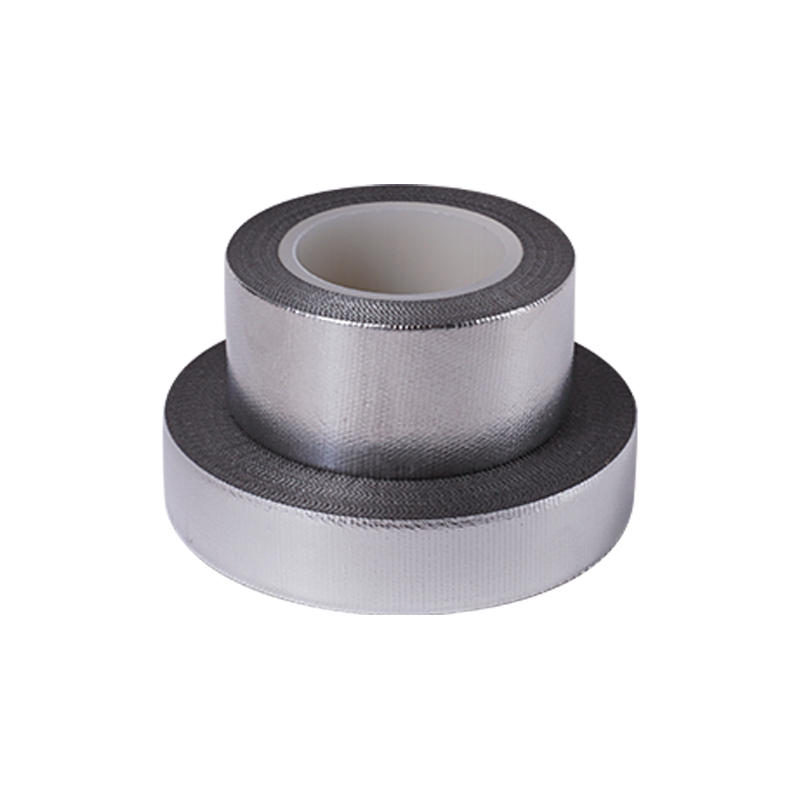
Temperature rating is one of the most important specifications for automotive wire harness fiberglass tape. The required rating should be based on the actual continuous service temperature, short-term temperature peaks, and thermal cycling experienced by the harness.
|
Application Environment |
Temperature Requirement |
Primary Evaluation Focus |
|
Interior and protected wiring |
Low to moderate |
Flexibility, adhesion, and installation characteristics |
|
Chassis and body wiring |
Moderate |
Temperature stability and abrasion resistance |
|
Engine compartment |
High |
Continuous heat resistance and adhesive stability |
|
Powertrain wiring |
High |
Thermal aging, vibration, and abrasion resistance |
|
Heat-source-adjacent wiring |
Very high |
Peak temperature resistance and long-term thermal stability |
For demanding applications, continuous temperature exposure should generally receive greater attention than a short-duration peak temperature. Long-term heat can accelerate adhesive aging and gradually reduce holding power even when the fiberglass substrate remains structurally stable.
Thickness directly affects the physical protection provided by the tape, but increasing thickness is not always beneficial. A thicker structure can provide greater mechanical protection and durability, while a thinner structure can conform more easily to small-diameter harnesses and complex routing paths.
|
Thickness Category |
Typical Advantage |
Application Consideration |
|
Thin construction |
Low added harness diameter and good conformability |
Compact harnesses and limited installation space |
|
Medium construction |
Balanced protection and flexibility |
General automotive harness protection |
|
Thicker construction |
Higher mechanical protection |
High-abrasion or mechanically demanding locations |
Width should be selected according to harness diameter, branch geometry, wrapping equipment, and the required overlap. A wider tape can reduce the number of wrapping turns, while a narrower tape may provide better control around branches, connectors, and irregular harness sections.
Tensile strength indicates the force required to break the tape under a defined test method. It is particularly relevant during installation and in applications where the harness is exposed to mechanical movement or repeated vibration.
Elongation describes how much the tape can stretch before breaking. Fiberglass reinforcement generally provides high dimensional stability, so fiberglass tape typically emphasizes strength and structural stability rather than the very high elongation associated with highly stretchable polymer films.
|
Parameter |
Higher Value Generally Indicates |
Why It Matters for Wire Harnesses |
|
Tensile strength |
Greater resistance to pulling and tearing |
Important during wrapping and mechanical exposure |
|
Elongation |
Greater ability to accommodate deformation |
Useful where harness movement or conformability is required |
|
Dimensional stability |
Lower deformation during service |
Helps maintain consistent protective coverage |
The adhesive system is critical because the fiberglass substrate cannot provide reliable harness protection if the tape lifts, peels, or loses contact with the wire insulation. Important adhesive parameters include peel adhesion, adhesion to the backing, initial tack, holding power, and resistance to thermal aging.
|
Adhesive Parameter |
What It Indicates |
Application Importance |
|
Initial tack |
Ability to establish contact quickly |
Important for efficient wrapping and positioning |
|
Peel adhesion |
Resistance to tape removal from the substrate |
Important for long-term harness fixation |
|
Holding power |
Resistance to movement or sliding under load |
Important under vibration and elevated temperature |
|
Thermal aging stability |
Ability to maintain adhesion after heat exposure |
Critical for engine and powertrain applications |
Where electrical insulation is part of the intended function, dielectric strength should be specified and tested according to a defined method. Dielectric strength represents the ability of the insulation system to withstand an applied electrical field before breakdown.
However, fiberglass tape should not automatically be treated as the primary electrical insulation layer of a wire or cable. In many harness applications, the conductor insulation provides the principal electrical protection, while the tape adds mechanical, thermal, or environmental protection.
Abrasion resistance is especially important where the harness can move against brackets, clips, housings, or other components. Repeated mechanical contact can gradually wear through the outer insulation, creating a potential reliability problem.
|
Performance Level |
Typical Application Direction |
Selection Priority |
|
Moderate abrasion resistance |
Protected harness sections |
Balanced flexibility and protection |
|
High abrasion resistance |
Chassis and mechanically exposed wiring |
Mechanical durability |
|
Very high abrasion resistance |
Severe contact or vibration areas |
Maximum wear protection and structural stability |
Automotive harnesses may encounter water, humidity, oil, grease, cleaning agents, fuels, and other fluids depending on their location. These substances can affect both the tape substrate and adhesive.
For B2B procurement, a practical specification sheet should therefore include at least temperature range, thickness, width, tensile strength, elongation, adhesion, abrasion resistance, dielectric performance where required, and environmental resistance. These parameters provide a more reliable basis for technical comparison than product descriptions alone.
Selecting the right Automotive Wire Harness Fiberglass Tape should start with the actual service conditions of the wire harness rather than with tape thickness, appearance, or a single temperature value. A reliable selection process considers temperature, abrasion, vibration, flexibility, adhesive compatibility, environmental exposure, and installation requirements together.
Temperature should normally be the first selection parameter because excessive thermal exposure can accelerate adhesive aging, reduce adhesion, and affect the mechanical properties of the wrapping system. The relevant value is the actual temperature experienced by the tape during service, including continuous exposure, temperature peaks, and repeated thermal cycling.
|
Harness Environment |
Typical Temperature Range to Evaluate |
Primary Selection Focus |
|
Interior and protected areas |
Approximately 85–105°C or application-specific |
Flexibility, adhesion, and basic protection |
|
Engine-bay peripheral areas |
Approximately 105–125°C |
Thermal stability and abrasion resistance |
|
Engine-bay core areas |
Approximately 125–150°C |
Heat resistance, abrasion resistance, and adhesive stability |
|
High-temperature or heat-source-adjacent areas |
Above 150°C when required |
High-temperature fiberglass construction and long-term thermal stability |
These ranges are engineering reference points rather than universal specifications. The actual temperature rating should always be verified against the tape's technical data and the measured temperature at the harness location.
Temperature alone does not determine whether a fiberglass tape is suitable. Automotive wire harnesses can move continuously because of engine vibration, suspension movement, thermal expansion, and component operation. Contact with brackets, clips, metal edges, and adjacent components can create repeated abrasion.
|
Application Condition |
Required Performance Direction |
Selection Priority |
|
Low mechanical movement |
Moderate abrasion resistance |
Flexibility and easy application |
|
Continuous vibration |
High abrasion and stable adhesion |
Mechanical durability |
|
Contact with brackets or edges |
High abrasion resistance |
Reinforced backing and sufficient thickness |
|
Repeated harness bending |
Balanced strength and flexibility |
Conformability and resistance to cracking |
Tape thickness should be selected according to the required protection level and available installation space. Increasing thickness can improve mechanical protection, but it also increases the final harness diameter and may reduce conformability around tight bends or branch points.
|
Thickness Direction |
Main Advantage |
Potential Limitation |
|
Thin construction |
Low added diameter and easier conformability |
May provide less mechanical protection |
|
Medium construction |
Balanced protection and flexibility |
Suitable for many general harness applications |
|
Thicker construction |
Higher mechanical and abrasion protection |
Greater harness diameter and potentially lower flexibility |
The fiberglass backing provides mechanical reinforcement, but the adhesive determines whether the tape remains securely attached to the harness. Adhesion should therefore be evaluated against the actual wire insulation or protective surface rather than against a generic laboratory substrate alone.
The harness location determines which environmental factors need to be considered. Engine-compartment wiring can encounter oil, grease, moisture, cleaning fluids, and temperature fluctuations, while interior harnesses may have much lower chemical exposure.
|
Environmental Factor |
Potential Effect |
What to Check |
|
Oil and grease |
Adhesive softening or reduced bonding |
Fluid resistance after exposure |
|
Moisture |
Interface degradation or reduced adhesion |
Humidity and water exposure performance |
|
Cleaning chemicals |
Surface or adhesive degradation |
Compatibility with actual cleaning agents |
|
Thermal cycling |
Expansion, contraction, and edge lifting |
Adhesion after repeated temperature cycles |
|
Vibration |
Movement and progressive abrasion |
Mechanical integrity after vibration exposure |
The tape specification should also be compatible with the installation process. Manual wrapping, automated wrapping, spiral application, and different overlap ratios can impose different requirements on tensile strength, unwind behavior, flexibility, and adhesive performance.
During application, excessive tension can deform the tape and change its effective thickness, while insufficient tension can create loose sections and inconsistent contact. A controlled wrapping process is therefore important for achieving repeatable harness protection.
Before approving Automotive Wire Harness Fiberglass Tape for production, technical procurement teams should request documented test data for the properties that are relevant to the application.
A useful selection approach is therefore to define the harness environment first, establish the required temperature and abrasion levels, then narrow the options according to thickness, flexibility, adhesive performance, and environmental resistance. This method avoids selecting a tape solely because it has a high headline temperature rating and instead ensures that the complete tape construction matches the actual operating conditions of the automotive wire harness.
The performance of Automotive Wire Harness Fiberglass Tape depends not only on the material specification but also on how the tape is applied and qualified. Even a high-performance fiberglass tape can lose effectiveness if the harness surface is contaminated, the wrapping tension is inconsistent, or the overlap is insufficient.
Before applying fiberglass tape, the wire harness surface should be clean, dry, and free from substances that can interfere with adhesive bonding. Oil, grease, dust, moisture, silicone residues, release agents, and other contaminants can reduce the effective contact between the adhesive and wire insulation.
Wrapping tension should be controlled rather than maximized. Excessive tension can deform the tape, reduce its effective thickness, increase stress on the adhesive, and potentially compress or damage the underlying wire insulation. Insufficient tension, on the other hand, can result in loose wrapping and poor contact between adjacent turns.
Overlap should also be defined in the production specification. A half-lap configuration provides approximately two layers of tape over the protected surface and can provide increased mechanical coverage. However, the appropriate overlap depends on the harness geometry, protection requirement, tape width, and application method.
|
Wrapping Approach |
Approximate Overlap |
Protection Characteristics |
Typical Application Consideration |
|
Open spiral wrapping |
Low or no overlap |
Lower material consumption and greater flexibility |
Suitable where complete surface coverage is not required |
|
Partial overlap |
Approximately 25–35% |
Balanced coverage and flexibility |
Suitable for controlled harness routing applications |
|
Half-lap wrapping |
Approximately 50% |
Higher coverage and approximately double-layer protection |
Useful for demanding abrasion and mechanical protection |
|
Full overlap |
Approximately 100% |
Maximum local coverage with increased material consumption |
Useful for selected termination or highly localized protection areas |
Wire harnesses rarely consist of straight sections alone. Bends, branches, connectors, clips, and changes in diameter can create concentrated mechanical stress in the tape. If the tape is wrapped too tightly around a sharp bend, the adhesive and backing can experience localized stress that may eventually lead to edge lifting or cracking.
After wrapping, visual inspection provides a simple but important method of identifying installation problems before the harness enters the next manufacturing stage.
|
Inspection Item |
Acceptable Condition |
Potential Problem |
|
Surface coverage |
Continuous protective coverage |
Exposed wire insulation |
|
Overlap |
Consistent according to specification |
Uneven or insufficient coverage |
|
Tape tension |
Uniform and controlled |
Loose sections or excessive stretching |
|
Edges |
Firmly bonded without lifting |
Peeling, flagging, or edge lifting |
|
Harness diameter |
Within drawing or process limits |
Excessive material buildup |
|
Branch areas |
Protected without obstructing components |
Gaps, wrinkles, or interference |
Thermal testing should evaluate both the fiberglass backing and adhesive system. A tape may retain its physical structure at elevated temperature while the adhesive gradually loses holding power. Therefore, temperature qualification should include an appropriate aging period rather than relying only on a short-term temperature exposure.
|
Test Condition |
Main Purpose |
Typical Evaluation |
|
Elevated-temperature exposure |
Evaluate continuous heat resistance |
Adhesion, backing condition, dimensional stability |
|
Thermal cycling |
Evaluate repeated heating and cooling |
Edge lifting, cracking, delamination, adhesion retention |
|
High-temperature aging |
Evaluate long-term degradation |
Mechanical and adhesive property retention |
|
Cold exposure |
Evaluate low-temperature flexibility |
Cracking, stiffness, and adhesion behavior |
Mechanical testing helps determine whether the fiberglass tape can maintain protection when subjected to installation forces and service-related movement. Tensile strength provides information about resistance to pulling and tearing, while abrasion testing evaluates the ability of the finished harness protection system to withstand repeated mechanical contact.
|
Mechanical Test |
Primary Measurement |
Why It Matters |
|
Tensile test |
Breaking force |
Evaluates resistance to pulling and tearing |
|
Elongation test |
Percentage extension at break |
Indicates deformation capability during application and movement |
|
Abrasion test |
Cycles or strokes to defined failure |
Evaluates resistance to repeated friction |
|
Peel adhesion test |
Removal force |
Evaluates bonding strength to the substrate |
|
Holding-power test |
Time or displacement under load |
Evaluates resistance to sliding and movement |
Where electrical insulation is part of the specified function, the tape can be evaluated for dielectric strength and insulation resistance. However, the test setup should represent the actual insulation system because the fiberglass tape may serve as supplementary protection rather than the primary conductor insulation.
Testing should consider tape thickness, adhesive construction, moisture exposure, and the underlying wire insulation. Electrical performance measured on a dry laboratory sample may not represent performance after thermal aging or environmental exposure.
Adhesive performance should be tested under conditions representative of actual vehicle operation. Relevant environmental factors may include humidity, water, oil, grease, cleaning agents, temperature cycling, and vibration.
For B2B automotive procurement, quality control should extend beyond initial product qualification. Important production controls include tape thickness, width, roll length, adhesive uniformity, tensile properties, appearance, and batch consistency.
|
Quality Parameter |
Recommended Control Direction |
Production Importance |
|
Thickness |
Controlled within agreed tolerance |
Affects protection and final harness diameter |
|
Width |
Controlled within agreed tolerance |
Affects overlap and wrapping efficiency |
|
Tensile strength |
Defined minimum value |
Controls mechanical integrity |
|
Adhesion |
Defined test method and minimum requirement |
Controls long-term attachment |
|
Abrasion resistance |
Defined test method and performance class |
Controls mechanical protection |
|
Temperature resistance |
Application-specific qualification |
Controls thermal reliability |
|
Appearance |
No visible defects affecting application |
Supports consistent production wrapping |
A robust qualification process should therefore combine correct surface preparation, controlled wrapping, defined overlap, appropriate bend management, visual inspection, thermal testing, mechanical testing, electrical evaluation where required, and environmental aging. This approach provides a more reliable assessment of Automotive Wire Harness Fiberglass Tape than evaluating the tape material alone and helps ensure consistent protection throughout manufacturing and vehicle service.

Our company has been engaged in the tape manufacturing industry for more than 20 years, and has been focusing on various types of aluminum foil tapes, foam tapes, refrigerator tapes, etc.
IsabelLina
Email:[email protected]
Mobile/Whatsapp: +86 190 3379 1110
Mars Gong
Email:[email protected]
Mobile/Whatsapp: +86 159 5136 0053
Address: West side of Yingbin Avenue and south side of hengwang packaging. Suqian Economic and Technological Development Zone,Jiangsu Province
Copyright © Jiangsu Shixin Adhesive Tape Product Co., Ltd. All Rights Reserved. Custom ODM Refrigerator Foil Adhesive Tapes Manufacturers