2026-10-23
Content
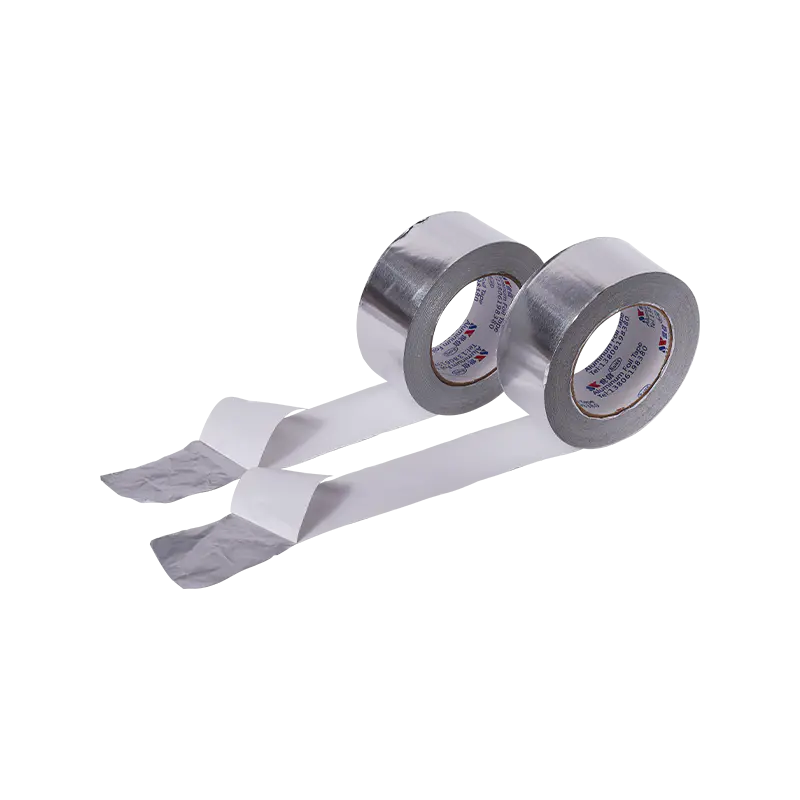
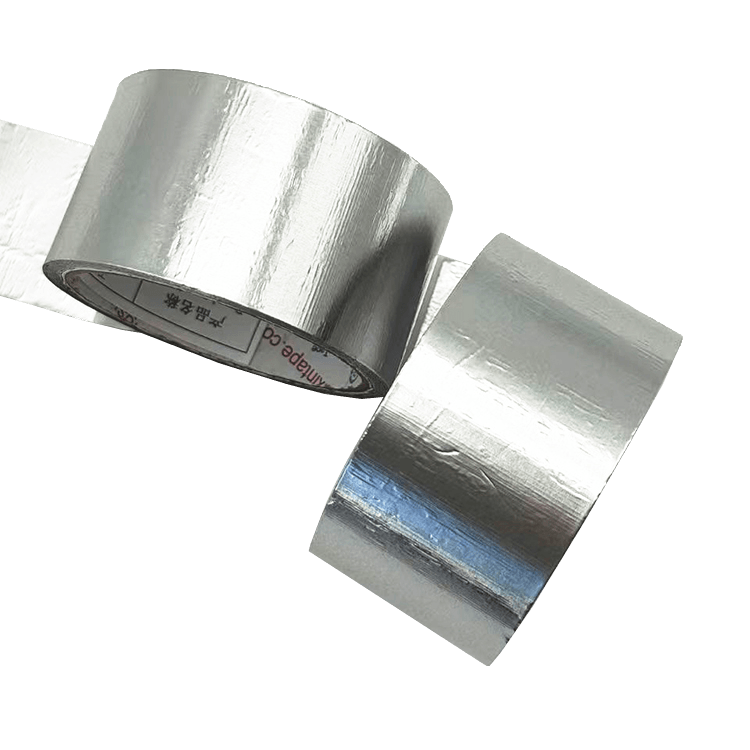
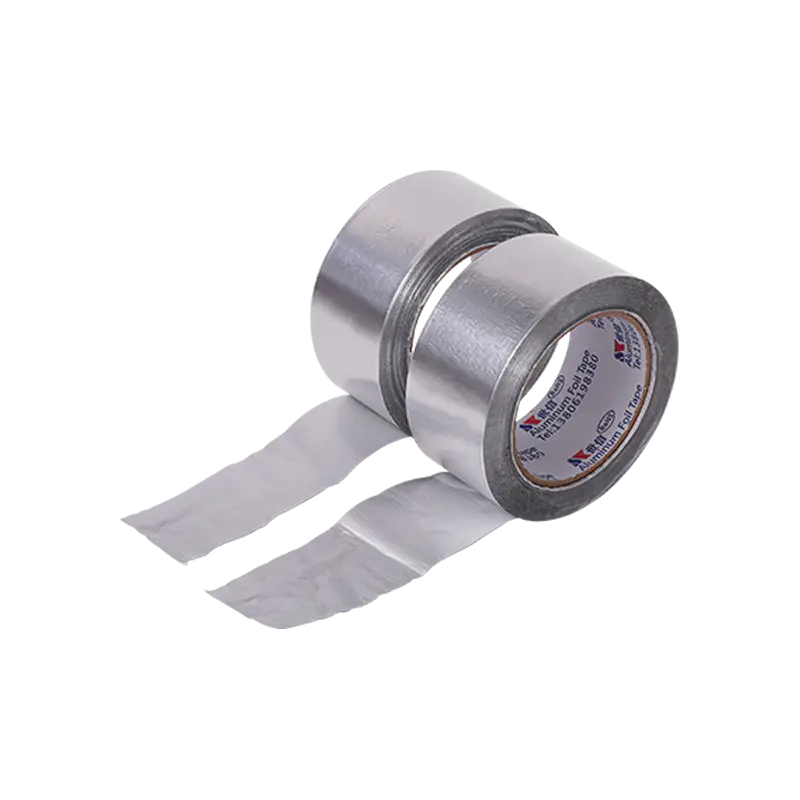
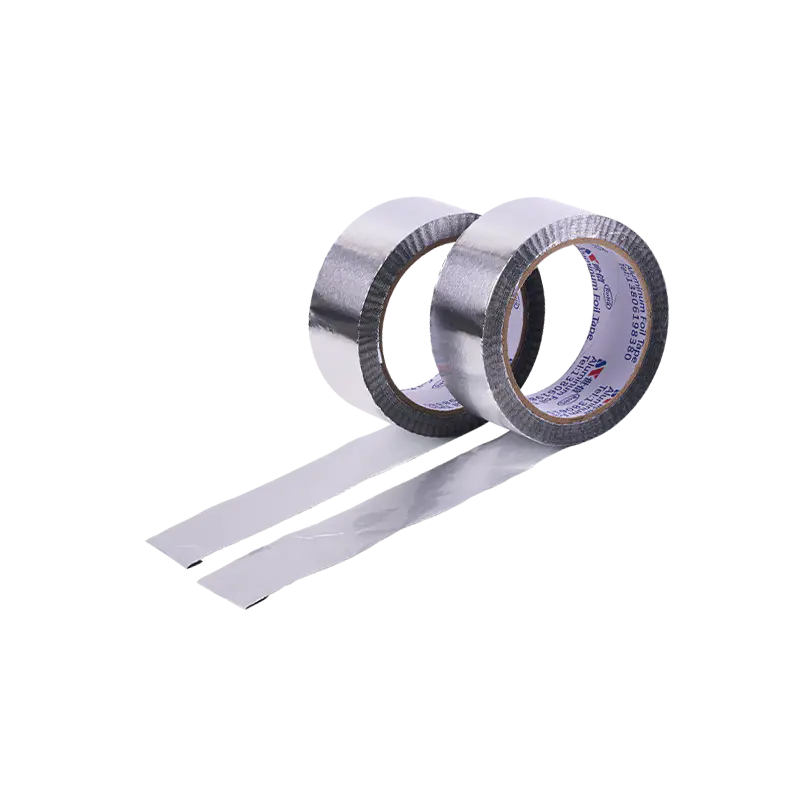
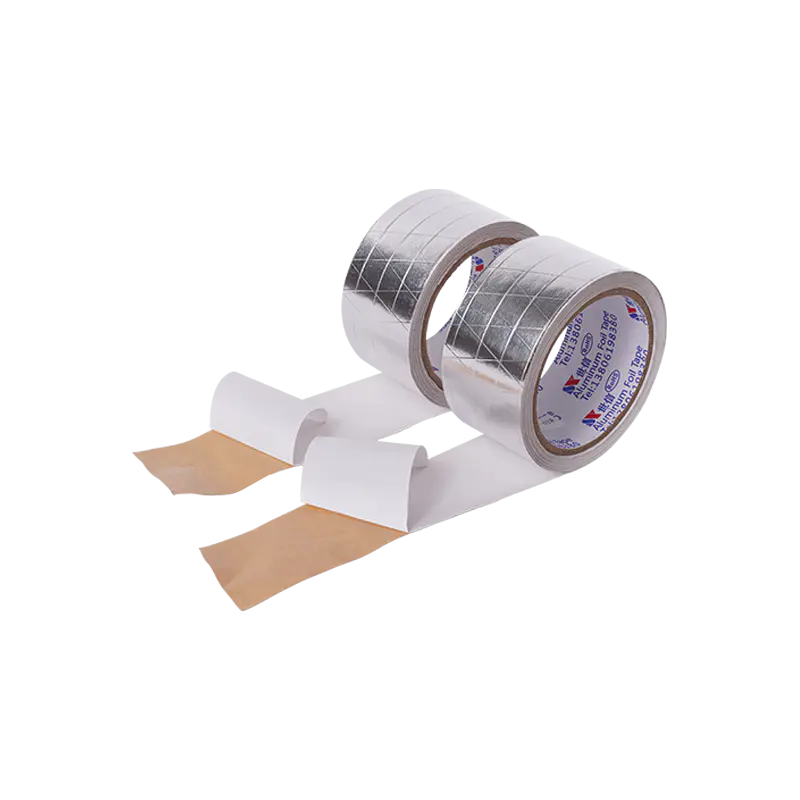
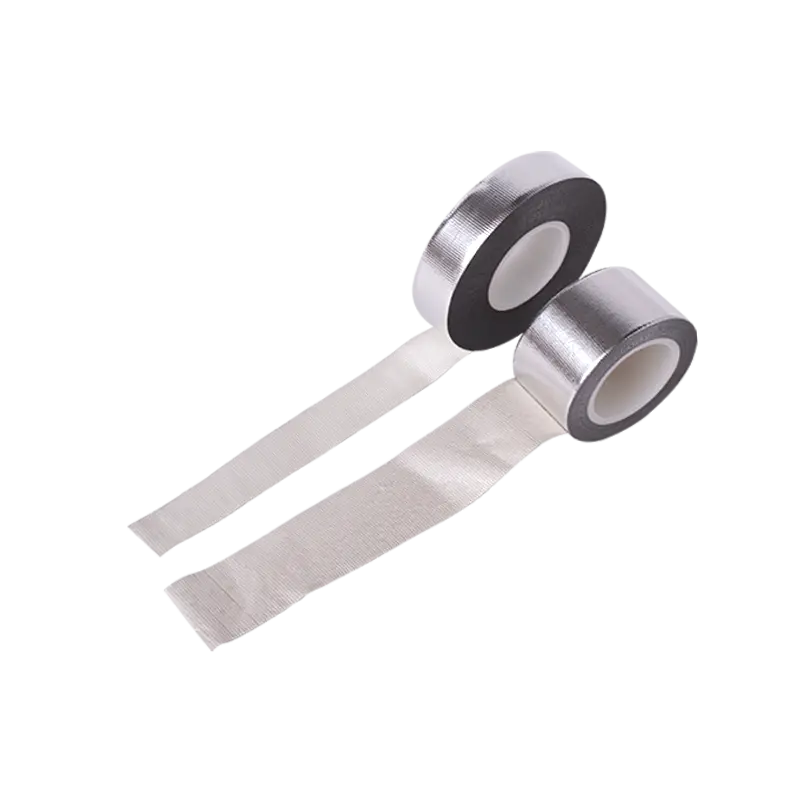
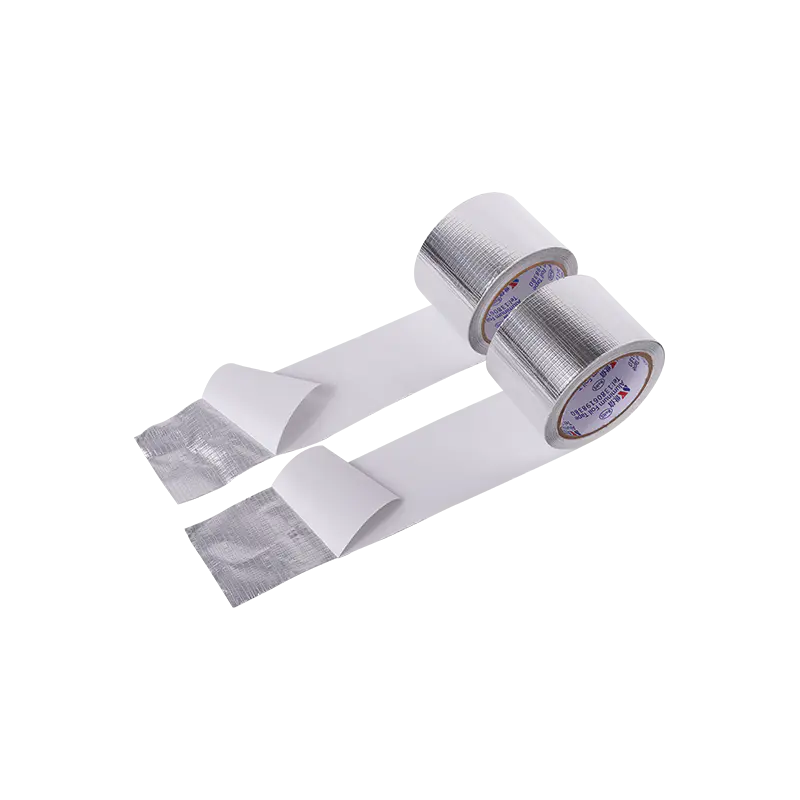
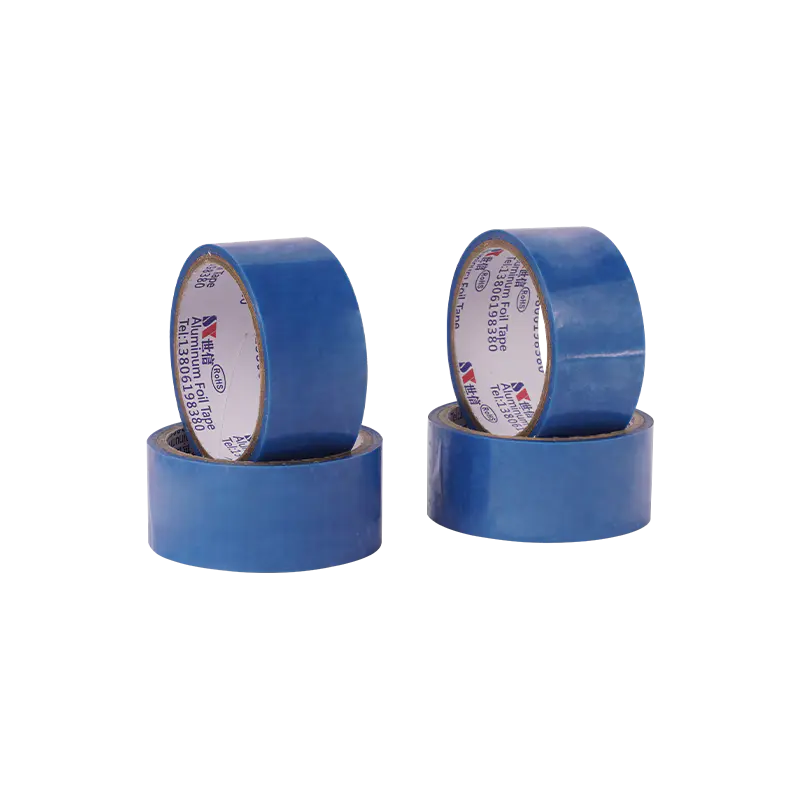
Heat-resistant linerless foil tape for flame and pipe protection is an industrial adhesive tape designed to combine a metal foil facing with a pressure-sensitive adhesive system for applications involving thermal insulation, pipe protection, heat exposure, and sealing. The aluminum foil layer provides a reflective and continuous surface, while the adhesive layer secures the tape to compatible substrates and helps maintain the integrity of joints, seams, and insulation coverings.
The performance of heat-resistant foil tape depends on several factors, including the aluminum foil thickness, adhesive formulation, total tape thickness, substrate compatibility, and actual operating temperature. These factors should be evaluated together when selecting tape for industrial pipe protection.
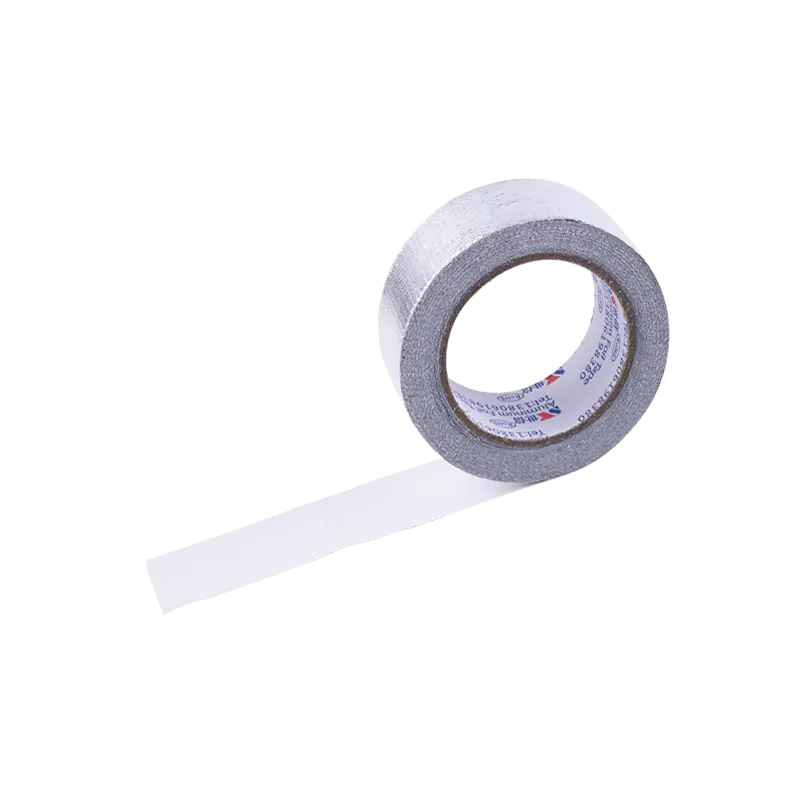
The defining feature of linerless foil tape is that the adhesive surface does not use a separate release liner during normal roll construction. The tape is typically wound in a self-wound configuration, allowing the adhesive-coated surface to contact the reverse side of the tape during storage and handling.
This construction can simplify continuous wrapping and reduce release-paper waste during installation. It can be particularly useful in repetitive pipe-wrapping operations where installation speed, material handling, and waste reduction are important considerations.
However, linerless construction should not be evaluated independently from adhesive performance. A tape intended for high-temperature pipe applications must maintain sufficient adhesion under the expected combination of temperature, surface condition, movement, moisture, and mechanical stress.
A typical heat-resistant foil tape consists of two primary functional layers:
Some industrial foil tapes may also incorporate reinforcing or laminated layers when higher mechanical strength, flexibility, or dimensional stability is required. The appropriate construction depends on whether the main requirement is thermal shielding, insulation sealing, pipe wrapping, moisture protection, or mechanical protection.
The aluminum foil facing performs several functions beyond simply covering the pipe surface. Its reflective metallic surface can reflect a portion of incident radiant heat, while its thermal conductivity helps distribute localized heat across the foil rather than concentrating heat at a single small area.
When applied over thermal insulation, foil tape can also help maintain continuity across joints and seams. This is important because exposed seams or damaged facing can create weak points in an insulation system. Properly applied foil tape can bridge these areas and provide an additional barrier against moisture and vapor penetration when the adhesive and installation method are suitable for the application.
The foil layer can also contribute to protection against environmental exposure, including moisture, vapor, light, and general surface contamination. The actual protection level depends on the foil thickness, adhesive construction, substrate, and installation quality.
One important technical distinction is that heat resistance and flame resistance describe different performance characteristics.
Therefore, a high temperature rating alone should not be interpreted as proof that a tape provides a specific level of fire protection. Industrial applications should match the tape's documented performance and applicable test requirements with the actual heat and flame conditions.
|
Parameter |
Why It Matters |
|
Aluminum foil thickness |
Affects flexibility, conformability, mechanical durability, and surface protection. |
|
Total tape thickness |
Influences handling, sealing capability, flexibility, and resistance to mechanical damage. |
|
Adhesive type |
Determines bonding behavior, temperature resistance, aging performance, and substrate compatibility. |
|
Continuous operating temperature |
Indicates the temperature range in which the tape is expected to maintain its intended performance during ongoing operation. |
|
Short-term temperature resistance |
Important where temporary temperature peaks are higher than the normal operating temperature. |
|
Peel adhesion |
Indicates how strongly the tape resists separation from the substrate. |
|
Tensile strength |
Relevant when the tape experiences pulling forces during wrapping, installation, or service. |
|
Moisture and vapor resistance |
Important for maintaining insulation integrity and reducing moisture penetration. |
A pipe protection tape should be selected according to the actual operating environment rather than the application name alone. A pipe carrying hot water, a steam line, an HVAC insulation system, and a high-temperature process line can impose very different requirements on the adhesive and foil structure.
For example, a tape used over insulation may primarily require strong adhesion, flexibility, moisture resistance, and reliable seam coverage. A heat-shielding application may place greater emphasis on thermal stability and adhesive performance at elevated temperatures. In applications involving vibration or repeated thermal expansion and contraction, flexibility and adhesion retention become equally important.
The substrate must also be considered. Aluminum foil tape may be applied to metal surfaces, insulation facings, composite materials, or other engineered substrates. Surface cleanliness, roughness, temperature, and contamination can significantly affect actual adhesion, even when the tape has a high nominal peel strength.
Heat-resistant linerless foil tape for flame and pipe protection combines the protective characteristics of aluminum foil with an adhesive system designed for industrial installation. Its overall performance depends on the interaction of thermal resistance, foil construction, adhesion, flexibility, moisture resistance, and linerless design.
For engineering and procurement decisions, the complete application condition should be evaluated. Operating temperature, pipe or insulation substrate, moisture and vapor exposure, mechanical movement, flame-related requirements, and installation method should all be considered before determining the appropriate tape construction.
The performance of heat-resistant linerless foil tape for flame and pipe protection is determined by the interaction between its foil backing, adhesive system, overall construction, and application environment. For industrial pipe protection, evaluating only the stated temperature resistance is not sufficient. Engineers and procurement teams should also consider foil thickness, adhesive behavior, mechanical strength, flexibility, moisture resistance, and compatibility with the target substrate.
The aluminum foil backing provides the primary protective surface of the tape. It offers a continuous metallic layer that can reflect radiant heat and contribute to resistance against moisture, vapor, and environmental exposure. The foil also provides dimensional stability and helps protect underlying insulation or pipe surfaces from mechanical contact and contamination.
Foil thickness has a direct influence on handling characteristics. Thinner foil generally provides better flexibility and conformability around curved surfaces, while thicker foil can provide greater resistance to tearing, puncturing, and mechanical damage.
|
Foil Construction |
Typical Characteristics |
Suitable Considerations |
|
Thin foil backing |
Higher flexibility and easier conformability |
Curved pipes, joints, seams, and areas requiring close surface contact |
|
Medium foil backing |
Balanced flexibility and mechanical protection |
General industrial insulation and pipe protection |
|
Thicker foil backing |
Higher resistance to tearing and puncture |
Applications requiring increased mechanical durability |
The actual foil thickness should be selected according to installation conditions rather than simply choosing the thickest available construction. Excessive stiffness can make wrapping around small-radius pipes and fittings more difficult.
The adhesive is one of the most important components in a heat-resistant foil tape because it determines how reliably the tape remains attached to the substrate during service. A suitable adhesive must provide sufficient initial tack, bonding strength, temperature resistance, and aging stability for the intended application.
High-temperature exposure can change adhesive behavior. As temperature increases, some adhesive systems may soften, lose cohesive strength, or experience reduced adhesion. Conversely, an adhesive with insufficient low-temperature flexibility may become less conformable during installation or thermal cycling.
For pipe protection applications, adhesive selection should therefore consider both the normal operating temperature and temporary temperature peaks..
|
Adhesive Performance Factor |
Importance in Pipe Applications |
|
Initial tack |
Helps the tape establish contact with the substrate during installation. |
|
Peel adhesion |
Determines resistance to gradual separation from the pipe or insulation surface. |
|
Shear resistance |
Helps prevent adhesive movement when the tape is exposed to sustained loads or elevated temperatures. |
|
Temperature stability |
Determines whether the adhesive can maintain bonding performance under continuous or intermittent heat exposure. |
|
Aging resistance |
Influences long-term adhesion when the tape is exposed to heat, moisture, and environmental conditions. |
Operating temperature should be treated as a critical selection parameter. A tape may be exposed to several different temperature conditions during its service life, including normal operating temperature, temporary temperature peaks, start-up and shutdown cycles, and localized hot spots.
Two temperature values should therefore be distinguished:
These values should not be treated as interchangeable. A short-term temperature rating does not mean that the tape can continuously operate at the same temperature.
|
Temperature Condition |
Primary Evaluation Focus |
|
Normal continuous operation |
Adhesive stability, aging resistance, and long-term bonding |
|
Temporary temperature peaks |
Short-term adhesive and backing stability |
|
Repeated thermal cycling |
Adhesion retention, flexibility, and resistance to expansion and contraction |
|
Localized high-temperature areas |
Thermal stability of the complete tape construction and substrate compatibility |
Pipe protection tape must withstand mechanical stresses during both installation and operation. Tensile strength indicates the force required to break the tape, while elongation indicates how much the tape can stretch before failure.
A balance between strength and flexibility is particularly important when wrapping pipes. A tape with adequate tensile strength can resist tearing during installation, while sufficient flexibility allows the tape to conform to curved surfaces without creating excessive wrinkles or gaps.
Industrial pipe insulation systems may be exposed to condensation, humidity, water vapor, dust, and temperature fluctuations. A continuous foil surface can help create a barrier against these environmental factors when properly installed.
Moisture resistance is particularly important for insulated pipes because water penetration can reduce the effectiveness of insulation and contribute to corrosion-related problems under certain conditions. Tape performance depends on both the material construction and the quality of seam coverage.
For applications requiring vapor control, attention should be given to overlaps, edges, penetrations, and transitions. Even a highly resistant foil backing cannot provide reliable system-level protection if installation leaves open seams or unsealed gaps.
Adhesive performance is strongly influenced by the surface to which the tape is applied. Common substrates can include metal pipe surfaces, insulation facings, foil-faced insulation, and engineered composite materials.
Before application, the substrate should normally be clean, dry, and free from oil, dust, loose particles, and other contaminants that could reduce adhesive contact. Surface temperature should also be considered because extremely cold or hot surfaces can affect initial tack and bonding development.
|
Selection Factor |
Technical Consideration |
|
Foil thickness |
Balance flexibility, conformability, and mechanical protection. |
|
Adhesive formulation |
Match bonding performance with temperature and substrate requirements. |
|
Temperature range |
Separate continuous operating temperature from short-term exposure. |
|
Mechanical strength |
Consider tensile, tear, and puncture requirements during installation and service. |
|
Flexibility |
Important for curved pipes, fittings, joints, and irregular surfaces. |
|
Moisture resistance |
Evaluate the expected humidity, condensation, and vapor exposure. |
|
Surface compatibility |
Confirm that the adhesive can achieve reliable bonding with the target substrate. |
The material and performance characteristics of heat-resistant linerless foil tape should be evaluated as a complete system. A thicker foil does not automatically provide better performance, and a higher temperature rating does not necessarily guarantee stronger adhesion under every operating condition.
For industrial pipe protection, the most reliable selection process begins with the actual service environment. Temperature, substrate, mechanical movement, moisture exposure, installation method, and required protection level should be defined first. The foil and adhesive construction can then be selected to provide an appropriate balance of thermal stability, adhesion, flexibility, durability, and environmental resistance.
Heat-resistant linerless foil tape for flame and pipe protection can be used across a range of industrial pipe and thermal insulation systems where heat exposure, moisture control, insulation integrity, and reliable seam sealing are important. Aluminum foil tapes are commonly used for sealing pipes, ducts, insulation joints, and ventilation systems because the foil backing provides heat and light reflectivity while also contributing to moisture and vapor resistance.
The correct application depends on the pipe temperature, insulation material, substrate, mechanical movement, moisture exposure, and required protection level. A tape suitable for a general HVAC insulation joint should not automatically be assumed suitable for a high-temperature process pipeline.
HVAC systems are one of the common application areas for aluminum foil tape. The tape can be applied over insulation joints, duct seams, connections, and exposed facing areas to help maintain continuity of the thermal and vapor barrier.
In insulated HVAC systems, the tape is not simply used as a surface covering. Properly sealed joints can help reduce air leakage and limit moisture penetration into the insulation structure. Aluminum foil also provides a reflective surface that can contribute to thermal management.
For HVAC applications, flexibility and adhesion are particularly important because ducts and insulation systems may contain curved sections, corners, transitions, and irregular joints. The tape should conform closely to the surface without excessive wrinkling or edge lifting.
Heat-resistant foil tape can also be used around insulated steam and hot-water pipelines. In these applications, the tape generally functions as part of the outer protection and sealing system rather than as the primary thermal insulation material.
The underlying insulation provides most of the thermal resistance, while the foil tape can help seal joints and maintain the integrity of the insulation facing. The aluminum layer can also provide a reflective surface and help limit moisture and vapor exposure.
For hot-water and steam systems, temperature selection becomes especially important. The adhesive must be capable of maintaining adequate bonding performance under the actual service conditions.
|
Pipe System |
Primary Tape Requirements |
Important Evaluation Factors |
|
Hot-water piping |
Heat resistance, adhesion, moisture resistance |
Continuous temperature, condensation, insulation compatibility |
|
Steam piping |
Higher thermal stability and durable bonding |
Operating temperature, thermal cycling, insulation structure |
|
Insulated process piping |
Mechanical durability and environmental resistance |
Temperature fluctuations, vibration, moisture, substrate type |
|
Outdoor insulated piping |
Weather and moisture resistance |
UV exposure, humidity, temperature cycling, mechanical damage |
Industrial process piping can operate under demanding thermal and environmental conditions. Depending on the process, pipes may transport heated water, steam, gases, chemicals, or other process media. Insulation systems are often installed to control surface temperature, reduce heat loss, protect personnel, or maintain process conditions.
In these systems, foil tape can be used to seal insulation seams, secure facing materials, and protect localized areas around joints and transitions. The tape construction should be selected according to the complete operating environment rather than the pipe material alone.
Several factors should be reviewed before application:
For demanding industrial environments, reinforced foil constructions may be considered where additional tear and tensile resistance is required. Reinforced foil structures are commonly used for insulation joints and industrial pipeline applications where greater mechanical durability is needed.
Pipe connections, transitions, elbows, and equipment interfaces can create more challenging installation conditions than straight pipe sections. These areas often involve changes in geometry, limited working space, and greater potential for mechanical movement.
Heat-resistant foil tape can be used to seal or protect insulation around these areas when the tape construction is compatible with the operating conditions. Flexibility is especially important around elbows and curved surfaces because excessive stiffness can create wrinkles, gaps, or localized stress.
For high-temperature applications, the distinction between the temperature resistance of the aluminum foil and that of the adhesive is critical. Aluminum itself can tolerate temperatures substantially higher than many pressure-sensitive adhesive systems. Therefore, the usable temperature of the complete tape assembly is normally governed by the adhesive and overall construction rather than the foil alone.
|
Application Area |
Main Function |
Key Performance Requirement |
|
Straight pipe sections |
Seal and protect insulation facing |
Adhesion and dimensional stability |
|
Pipe elbows |
Cover curved insulation surfaces |
Flexibility and conformability |
|
Pipe joints |
Seal insulation seams |
Adhesion and moisture resistance |
|
Equipment connections |
Protect transitions and exposed insulation |
Mechanical durability and temperature resistance |
|
Outdoor pipe systems |
Protect insulation from environmental exposure |
Moisture, UV, and aging resistance |
One of the most practical uses of foil tape is sealing the joints between sections of thermal insulation. These joints can become weak points if the facing is discontinuous or poorly sealed.
When properly installed, the tape can bridge the joint and create a continuous outer layer. This can help protect the insulation from moisture and vapor penetration while reducing the risk of exposed insulation material becoming damaged during operation or maintenance.
The tape width should provide sufficient coverage over the joint without creating unnecessary overlap. For larger insulation joints or areas subject to mechanical stress, a wider or reinforced construction may provide better coverage and durability.
|
Application |
Temperature Demand |
Flexibility |
Moisture Resistance |
Mechanical Durability |
|
HVAC insulation |
Low to moderate |
High |
High |
Moderate |
|
Hot-water pipe insulation |
Moderate to high |
High |
High |
Moderate |
|
Steam pipe insulation |
High |
Moderate to high |
High |
High |
|
Industrial process piping |
Application-dependent |
Application-dependent |
High |
High |
|
Outdoor insulated piping |
Variable |
Moderate to high |
Very high |
High |
These categories are general engineering considerations rather than fixed performance specifications. Actual tape selection should always be based on the documented temperature range, adhesive properties, substrate compatibility, and environmental conditions of the intended application.
Different pipe systems place different demands on adhesive tape. For example, an indoor HVAC insulation joint may primarily require flexibility and reliable adhesion, while an outdoor process pipeline may require greater resistance to moisture, temperature cycling, and mechanical damage.
Temperature should also be evaluated together with installation conditions. A tape may have a high stated service temperature but still require application within a specific surface-temperature range to achieve reliable initial adhesion. Likewise, a tape designed for continuous moderate-temperature operation should not automatically be used in a location exposed to short-term extreme heat.
For this reason, industrial users should define the application using measurable conditions such as pipe operating temperature, insulation type, surface material, environmental exposure, mechanical movement, and required service life. This approach makes it easier to determine whether a particular foil and adhesive construction is suitable for the intended pipe protection system.
Heat-resistant linerless foil tape for flame and pipe protection can serve several functions across HVAC, hot-water, steam, industrial process, and outdoor insulated pipe systems. Its primary roles include sealing insulation joints, maintaining vapor-barrier continuity, protecting exposed insulation surfaces, and providing a reflective and durable outer layer.
The most important selection principle is to match tape construction with the actual operating environment. Temperature resistance, adhesive stability, flexibility, moisture resistance, mechanical strength, and substrate compatibility should be evaluated together. When these factors are properly matched, foil tape can become an effective component of a broader pipe insulation and protection system.
The linerless construction of heat-resistant foil tape changes how the material is handled, applied, and managed during pipe and insulation installation. Unlike conventional adhesive tape that uses a separate release liner, a linerless tape is wound with its release-treated backing surface facing the adhesive layer of the next wrap. This allows the tape to be unwound and applied without first removing a separate release paper.
For industrial pipe protection, the main value of this construction is not simply the elimination of a backing material. It can also simplify repetitive wrapping operations, reduce installation steps, decrease liner waste, and improve material handling efficiency. These advantages become more significant when large numbers of pipe joints, insulation seams, or long pipeline sections need to be sealed.
A typical linerless foil tape combines an aluminum foil backing, pressure-sensitive adhesive, and a release-treated reverse surface. The adhesive remains protected while the tape is wound into a roll, allowing the roll to be unwound directly during application.
The basic application sequence is straightforward:
This workflow can be particularly useful in repetitive applications because the installer does not need to stop periodically to remove, collect, and dispose of release paper.
Pipe insulation projects often involve hundreds or thousands of repeated joints, seams, and transitions. With a linered tape, the installer must typically separate the release liner from the adhesive before positioning the tape. The removed liner then becomes an additional waste material that must be handled on site.
A linerless construction eliminates this separate step. The installer can concentrate on positioning and applying the tape while maintaining a continuous working rhythm.
|
Installation Factor |
Linerless Foil Tape |
Liner-Based Foil Tape |
|
Separate release liner |
Not required |
Required |
|
Release liner removal |
Eliminated |
Required during application |
|
Waste generated from liner |
Minimal or none from a separate liner |
Release liner must be collected and disposed of |
|
Continuous wrapping |
Well suited to repetitive application |
Requires repeated liner removal |
|
Material handling |
More streamlined |
Includes additional liner handling |
|
Manual application steps |
Fewer separate operations |
More handling steps |
The actual productivity improvement depends on tape width, pipe diameter, installation technique, surface condition, worker experience, and the number of joints or seams involved. Therefore, linerless construction should be considered a process-efficiency feature rather than a guaranteed percentage increase in installation speed.
One of the most direct advantages of linerless construction is the elimination of a separate release liner. Conventional liner-based adhesive tape produces a strip of discarded release material each time the tape is applied. On large insulation projects, the cumulative amount can become significant.
Removing the liner from the construction can simplify site waste management and reduce the amount of disposable material generated during installation. It can also reduce the need for installers to repeatedly place used liners into collection containers while working around pipes and equipment.
For manufacturing environments, the same principle can apply to production lines. Linerless tape can reduce the amount of backing material entering the production waste stream, particularly when the tape is used repeatedly for insulation, sealing, or assembly operations.
Pipe systems rarely consist entirely of straight sections. Installers often need to work around elbows, flanges, valves, supports, joints, reducers, and equipment connections. These areas require controlled positioning because excessive tension or incorrect placement can create wrinkles, gaps, or incomplete bonding.
Linerless foil tape can simplify handling because the installer does not need to manage a separate release liner while simultaneously controlling the tape around a curved surface.
However, linerless construction does not eliminate the need for proper installation technique. The substrate should remain clean and dry, and the tape should be applied with sufficient pressure to establish consistent adhesive contact.
When evaluating tape efficiency, it is useful to distinguish between material utilization and installation speed. Eliminating the release liner does not necessarily mean that less aluminum foil or adhesive is used per meter. Instead, the primary efficiency benefit comes from removing a separate liner material and simplifying handling.
A linerless roll can also have a more compact construction because there is no separate release-paper layer occupying additional space. Depending on the tape design, this can contribute to easier storage and transportation.
|
Efficiency Aspect |
Potential Effect of Linerless Construction |
|
Release liner consumption |
Eliminated as a separate component |
|
Waste handling |
Reduced handling of discarded liner material |
|
Application sequence |
Simplified because liner removal is unnecessary |
|
Storage components |
Fewer separate packaging or liner materials |
|
Continuous application |
Suitable for repetitive wrapping and sealing operations |
|
Worker handling |
Less material manipulation during application |
Linerless construction can also be advantageous in high-volume manufacturing and repetitive processing environments. When tape is applied continuously, eliminating the release liner can simplify the feeding and application process.
For automated or semi-automated equipment, however, the roll's unwind behavior, adhesive characteristics, backing strength, roll dimensions, and winding quality must be matched to the equipment. A linerless design alone does not guarantee compatibility with an automated applicator.
Important technical factors include:
The following comparison illustrates the main process differences. It should be treated as a qualitative engineering comparison rather than a universal productivity specification.
|
Performance Area |
Linerless Construction |
Liner-Based Construction |
|
Application preparation |
Lower handling requirement |
Requires liner removal |
|
Continuous wrapping |
Convenient for repetitive work |
Additional handling during each application cycle |
|
Waste management |
No separate release liner |
Generates used liner material |
|
Restricted installation areas |
Less material to manipulate |
Installer must manage the removed liner |
|
High-volume installation |
Potentially more streamlined |
More manual handling steps |
|
Automated processing |
Can be suitable when roll and unwind properties match the equipment |
Requires liner management and controlled separation |
Although linerless construction offers practical advantages, it also places greater importance on handling discipline. Because there is no separate release liner to protect the adhesive during application, installers should avoid contaminating the adhesive surface before bonding.
Dust, oil, moisture, loose insulation fibers, and other contaminants can reduce effective adhesive contact. The work area and substrate should therefore be properly prepared before application.
The tape should also be stored and handled according to its technical requirements. Excessive heat, humidity, contamination, or improper roll handling can affect adhesive performance and unwinding behavior.
The main advantage of linerless heat-resistant foil tape is the simplification of the installation process. By eliminating a separate release liner, the tape can reduce handling steps, minimize liner waste, and support more continuous application across pipe insulation seams and other repetitive sealing tasks.
For industrial users, the greatest benefit is likely to appear in applications involving long pipe runs, large insulation surfaces, repeated joints, or high-volume assembly. Nevertheless, installation efficiency should always be evaluated together with adhesive performance, foil strength, flexibility, temperature resistance, and substrate compatibility.
A well-designed linerless construction can improve the overall workflow, but reliable pipe protection ultimately depends on both the tape construction and correct installation practice.
Selecting heat-resistant linerless foil tape for flame and pipe protection requires more than checking a single temperature rating. The tape must remain securely bonded to the substrate while handling heat, thermal cycling, moisture, mechanical movement, and the physical shape of the pipe or insulation system. The aluminum foil backing and adhesive should therefore be evaluated as a complete construction.
For industrial procurement, the most reliable selection process starts with the actual operating conditions. Temperature, substrate, insulation material, environmental exposure, mechanical requirements, and installation conditions should be defined before specifying the tape. Technical data from aluminum foil tapes shows that foil thickness, adhesive type, adhesion, tensile strength, elongation, and service temperature can vary substantially between constructions.
Operating temperature is usually the first parameter to establish. The temperature of the pipe surface may differ from the temperature of the fluid or gas inside the pipe, particularly when thermal insulation is installed. The tape specification should therefore be based on the actual temperature at the tape-substrate interface.
Two temperature conditions should be evaluated separately:
For example, available technical data for aluminum foil tapes can show continuous temperature ratings around 80°C for general insulation constructions, while specialized aluminum foil tape constructions can reach approximately 150°C or higher. These values are construction-specific and should not be generalized to all foil tapes.
|
Temperature Requirement |
Primary Selection Focus |
Potential Risk if Underspecified |
|
Low to moderate continuous heat |
Adhesion and environmental resistance |
Premature adhesive aging |
|
High continuous heat |
Adhesive thermal stability and shear resistance |
Bond softening or seam movement |
|
Short-term temperature peaks |
Short-duration thermal stability |
Temporary loss of adhesion or deformation |
|
Repeated thermal cycling |
Adhesion retention and flexibility |
Cracking, lifting, or seam separation |
A short-term temperature rating should never be treated as the recommended continuous operating temperature. The duration of exposure and frequency of temperature cycling can significantly influence long-term adhesive performance.
The adhesive is often the limiting component in high-temperature applications. Aluminum foil itself has considerably greater thermal stability than most pressure-sensitive adhesive systems, meaning that the usable temperature range of the complete tape is frequently determined by the adhesive rather than the foil backing.
Common adhesive technologies include acrylic, rubber-based, and silicone systems. Their performance characteristics can differ significantly.
|
Adhesive Type |
Typical Strengths |
Temperature Consideration |
Typical Application Consideration |
|
Acrylic |
Good aging resistance and balanced adhesion |
Suitable for a broad range depending on formulation |
HVAC, insulation, pipe and industrial sealing |
|
Rubber-based |
High initial tack and rapid bonding |
Generally more limited at elevated temperatures |
Applications where high initial adhesion is important |
|
Silicone |
Excellent high-temperature stability and flexibility |
Can support very high-temperature applications depending on formulation |
Specialized high-temperature environments |
Published technical data illustrates the importance of adhesive selection. For example, some acrylic aluminum foil tape constructions are specified around -50°C to 150°C, while rubber-based constructions may have substantially lower temperature limits.
For pipe protection, procurement teams should examine peel adhesion, shear strength, initial tack, and adhesion retention after thermal exposure rather than relying on initial tack alone.
Foil thickness affects the balance between flexibility and mechanical protection. Thin aluminum foil is easier to conform around small-radius pipes, elbows, joints, and irregular insulation surfaces. Thicker foil generally provides greater resistance to tearing, puncture, and mechanical damage.
|
Foil Thickness Range |
General Characteristics |
Application Consideration |
|
Approximately 20–40 μm |
Lightweight and highly conformable |
Seams, joints, and applications requiring flexibility |
|
Approximately 40–80 μm |
Balanced flexibility and durability |
General industrial pipe and insulation protection |
|
Approximately 80–120 μm or above |
Higher mechanical resistance and greater rigidity |
Heavy-duty insulation protection and demanding environments |
These ranges are general engineering guidelines rather than universal classifications. Actual performance depends on aluminum temper, adhesive thickness, reinforcement, total tape construction, and manufacturing tolerances.
A thicker foil is not automatically a better choice. If the tape becomes too stiff for the pipe geometry, it may be more difficult to install smoothly and can create wrinkles or concentrated stresses around bends.
Peel adhesion measures resistance to separation from a substrate, while shear resistance indicates the tape's ability to resist sliding or creep under sustained loading.
Both parameters are important for high-temperature pipe applications. Elevated temperatures can reduce adhesive viscosity and increase the possibility of creep. This is particularly relevant when the tape is installed vertically or when the bonded joint is exposed to continuous mechanical stress.
|
Parameter |
What It Indicates |
Why It Matters on Pipes |
|
Initial tack |
Ability to establish quick contact |
Important during installation and positioning |
|
Peel adhesion |
Resistance to separation |
Helps maintain seam and joint integrity |
|
Shear strength |
Resistance to adhesive creep |
Important for vertical and high-temperature applications |
|
Adhesion retention |
Ability to maintain bonding after aging |
Relevant to long-term pipe protection |
Technical data for different foil tape constructions demonstrates why these parameters should be compared together. For example, published specifications can include peel adhesion values from approximately 5 N/cm to 10 N/cm or higher, while tensile strength can range from approximately 25 N/cm to 60 N/cm depending on foil thickness and construction.
Industrial pipe systems contain more than straight cylindrical surfaces. Elbows, reducers, valves, flanges, supports, and equipment connections require the tape to follow changes in geometry without excessive wrinkling or loss of contact.
Conformability is therefore particularly important for foil tape used on insulation joints and curved surfaces. A softer aluminum foil can generally follow irregular surfaces more easily, while a thicker or harder foil may provide better mechanical protection but require more careful installation.
For applications involving frequent thermal expansion and contraction, flexibility also helps reduce localized stress at seams and transitions.
Pipe insulation systems can be exposed to condensation, humidity, rain, cleaning water, and water vapor. The aluminum foil facing can provide an effective barrier layer when seams and overlaps are correctly sealed.
However, moisture resistance should be considered at the system level. Even when the foil itself is highly resistant to water, poorly bonded edges, gaps, punctures, and unsealed penetrations can create pathways for moisture to reach the insulation.
For outdoor applications, additional environmental factors should also be evaluated:
The same foil tape construction may perform differently on different substrates. Common surfaces include aluminum-faced insulation, metal pipes, galvanized surfaces, insulation boards, and composite materials.
Before specification, the actual bonding surface should be identified. Surface cleanliness, roughness, temperature, coatings, and contamination can all influence adhesion.
|
Substrate Condition |
Recommended Evaluation |
|
Clean metal |
Check adhesive compatibility and surface temperature. |
|
Foil-faced insulation |
Verify bonding to the facing material rather than assuming compatibility from the foil itself. |
|
Painted metal |
Confirm adhesion to the coating and check coating stability. |
|
Dusty or fibrous insulation |
Remove loose particles before application to improve contact. |
|
Wet or condensed surface |
Dry and prepare the surface before bonding unless the tape is specifically designed for such conditions. |
A practical selection process should begin with the operating environment and then move toward tape construction.
|
Application Condition |
Priority Parameters |
Preferred Construction Direction |
|
Standard insulated indoor piping |
Adhesion, flexibility, moisture resistance |
Flexible foil with a stable general-purpose adhesive |
|
High-temperature piping |
Continuous temperature resistance, shear stability |
Heat-resistant adhesive with appropriately rated foil construction |
|
Outdoor pipe insulation |
Moisture, UV, aging, mechanical durability |
Durable foil and weather-resistant adhesive system |
|
Curved and irregular pipe surfaces |
Conformability, flexibility, adhesion |
Softer foil construction with sufficient adhesive tack |
|
High-mechanical-stress areas |
Tensile, tear, puncture, shear strength |
Thicker or reinforced foil construction where required |
|
Repeated thermal cycling |
Flexibility, adhesion retention, aging resistance |
Adhesive and backing designed for thermal movement |
The most appropriate heat-resistant linerless foil tape is not necessarily the tape with the highest temperature rating, thickest foil, or strongest initial tack. Performance should be considered as a combination of thermal stability, adhesive strength, shear resistance, flexibility, mechanical durability, environmental resistance, and substrate compatibility.
For industrial pipe protection, the selection should ultimately be based on the actual operating conditions and documented technical data. Establishing measurable requirements before choosing the tape helps reduce premature seam failure, adhesive creep, edge lifting, and unnecessary over-specification while ensuring that the tape construction is appropriate for the intended service environment.
The performance of heat-resistant linerless foil tape for flame and pipe protection depends not only on its material construction but also on how it is installed. Even a tape with suitable temperature resistance and adhesive strength can experience edge lifting, seam separation, wrinkles, or premature adhesion loss if the substrate is poorly prepared or the tape is applied under unsuitable conditions.
For insulated pipe systems, the primary installation objective is to create continuous contact between the tape and the substrate while maintaining reliable coverage over joints, seams, transitions, and penetrations. Proper installation can help preserve the integrity of the insulation facing and improve resistance to moisture and vapor intrusion. Installation guidance for foil-faced pipe insulation similarly emphasizes continuous sealing of circumferential joints and thorough pressure application to achieve a secure vapor-tight bond.
Surface preparation is one of the most important factors affecting adhesive performance. The bonding surface should generally be clean, dry, stable, and free from loose particles or substances that can interfere with adhesive contact.
Before applying the tape, inspect the surface for:
For foil-faced insulation, the facing should be firmly attached to the insulation and free from excessive dust or damage. For metal pipe surfaces, surface condition and coating compatibility should be checked before bonding.
A clean surface increases the effective contact area between the adhesive and substrate. By contrast, contamination can create localized weak points that may later develop into lifting or seam failure.
The temperature of the substrate during installation can be different from the normal operating temperature of the pipe. This distinction is particularly important for high-temperature systems.
A tape may be designed to withstand elevated temperatures after bonding, while the adhesive may still require a suitable application temperature to develop adequate initial contact and bonding strength.
|
Condition |
What Should Be Checked |
Potential Installation Issue |
|
Normal-temperature substrate |
Surface cleanliness and adhesive contact |
Generally easier bonding |
|
Warm substrate |
Adhesive application limits and surface condition |
Premature adhesive softening or reduced handling stability |
|
Very hot substrate |
Maximum application temperature specified for the tape |
Poor initial bonding or adhesive movement |
|
Cold or humid substrate |
Minimum application temperature and condensation |
Reduced tack and incomplete bonding |
The actual application temperature should therefore be compared with the manufacturer's technical specification rather than assuming that the tape's maximum service temperature is also its maximum application temperature.
During pipe wrapping, excessive tension can distort the foil or place unnecessary stress on the adhesive layer. Insufficient tension, on the other hand, can result in wrinkles, loose sections, or incomplete contact.
The tape should normally be applied with controlled and consistent tension. The objective is to keep the foil smooth while allowing it to conform to the pipe or insulation surface.
For curved surfaces, the installer should pay particular attention to the inside and outside radius of the bend. Excessive tension around the outside radius can cause the tape to lift after installation, while insufficient conformity can create folds or channels.
Seams and joints are common weak points in an insulation protection system. Tape should provide sufficient coverage across the joint so that the adhesive bonds securely to both sides of the seam.
The required overlap should be determined according to the tape specification, insulation system, and project requirements. As a general installation principle, the tape should extend beyond both sides of the joint sufficiently to establish stable adhesive contact.
|
Joint Type |
Primary Installation Objective |
Important Consideration |
|
Longitudinal insulation seam |
Create continuous coverage along the seam |
Maintain straight alignment and full adhesive contact |
|
Circumferential butt joint |
Seal the complete circumference |
Avoid gaps where the joint closes |
|
Pipe elbow |
Maintain continuous surface coverage |
Control wrinkles and excessive tension |
|
Flange or equipment transition |
Seal irregular geometry |
Use suitable width and flexible construction |
|
Insulation penetration |
Prevent an open path through the facing |
Ensure complete edge contact around the penetration |
For pipe insulation systems, continuous sealing of butt joints is important because an unsealed gap can interrupt the vapor-control layer and create a potential path for moisture penetration.
After positioning the tape, the surface should be pressed down firmly and progressively. The pressure should move from the center toward the edges where practical, helping eliminate trapped air and improve contact between the adhesive and substrate.
A flexible squeegee, roller, or similar suitable application tool can be useful for larger surfaces and curved pipe sections. Installation guidance for aluminum foil vapor-barrier tape recommends thorough but controlled rubbing to achieve secure and long-lasting adhesion.
Wrinkles should not simply be pressed flat if they have already created a significant fold or loss of contact. In such cases, the affected section may need to be repositioned or replaced to maintain a continuous seal.
Pipe elbows, valves, reducers, flanges, supports, and equipment connections require more careful installation than straight sections because their geometry can change rapidly.
For these areas:
The goal is not simply to cover the fitting visually. The tape should maintain continuous adhesive contact and provide a stable transition between adjacent insulation sections.
Several installation defects can reduce the effectiveness of foil tape on pipe insulation. Most are associated with inadequate surface preparation, excessive tension, insufficient pressure, or poor seam alignment.
|
Installation Defect |
Likely Cause |
Corrective Approach |
|
Edge lifting |
Contaminated surface, insufficient pressure, or excessive tension |
Prepare the surface and apply controlled pressure |
|
Wrinkles |
Incorrect tension or poor alignment |
Adjust application direction and tension |
|
Air bubbles |
Insufficient surface pressure |
Smooth the tape progressively from the center outward |
|
Seam separation |
Insufficient overlap or weak adhesive contact |
Increase effective bonding area and verify substrate compatibility |
|
Foil tearing |
Excessive tension or contact with sharp edges |
Reduce tension and remove sharp projections |
|
Adhesive creep |
Temperature or sustained mechanical load beyond the adhesive capability |
Use a construction appropriate for the actual service condition |
Industrial pipes can expand and contract as operating temperature changes. This movement can place repeated stress on insulation seams and adhesive joints.
For systems with significant thermal cycling, tape selection should include sufficient flexibility and adhesion retention. The installation should also avoid unnecessary tension that could preload the tape and increase stress during subsequent thermal movement.
A tape that performs well at a single temperature may not necessarily provide the same performance after repeated heating and cooling cycles. Therefore, thermal cycling should be considered when evaluating long-term pipe protection.
A visual and physical inspection should be performed after installation. The inspection should verify that the tape is properly bonded and that no obvious discontinuities remain.
For critical insulation systems, inspection can also be incorporated into a broader quality-control procedure. The inspection criteria should reflect the required vapor, thermal, mechanical, and environmental performance of the complete system.
For industrial projects, it is useful to define measurable installation requirements rather than relying entirely on visual judgment.
|
Installation Parameter |
Recommended Control Method |
|
Application temperature |
Verify against the tape's specified application range |
|
Substrate condition |
Ensure the surface is clean, dry, and stable |
|
Tape overlap |
Follow project or tape-specific requirements |
|
Application tension |
Maintain consistent tension without excessive stretching |
|
Surface pressure |
Use hand pressure or an appropriate roller/squeegee to ensure contact |
|
Seam continuity |
Inspect for gaps, lifting, wrinkles, and exposed insulation |
|
Thermal exposure |
Compare continuous and short-term operating temperatures with the technical specification |
The purpose of heat-resistant foil tape is not only to cover a pipe or insulation seam. Properly installed tape can help maintain the continuity of the protective facing, support moisture and vapor control, and protect insulation joints from environmental exposure.
However, the tape should be considered one component of the complete pipe protection system. The underlying insulation, facing material, pipe surface, joint design, operating temperature, and environmental conditions all influence long-term performance.
For demanding applications, installation procedures should therefore be standardized. Defining surface preparation requirements, application temperature limits, overlap requirements, pressure application, and inspection criteria can make installation quality more consistent across different workers and project areas.
Reliable long-term pipe protection depends on both tape selection and installation quality. A heat-resistant linerless foil tape should be applied to a clean and compatible surface, under appropriate temperature conditions, with controlled tension and sufficient pressure. Particular attention should be given to seams, elbows, fittings, penetrations, and areas subject to thermal movement.
When the tape construction is properly matched to the operating environment and installed according to controlled procedures, it can provide continuous protection for insulated pipe systems while supporting thermal insulation integrity, moisture control, and long-term seam performance.

Our company has been engaged in the tape manufacturing industry for more than 20 years, and has been focusing on various types of aluminum foil tapes, foam tapes, refrigerator tapes, etc.
IsabelLina
Email:[email protected]
Mobile/Whatsapp: +86 190 3379 1110
Mars Gong
Email:[email protected]
Mobile/Whatsapp: +86 159 5136 0053
Address: West side of Yingbin Avenue and south side of hengwang packaging. Suqian Economic and Technological Development Zone,Jiangsu Province
Copyright © Jiangsu Shixin Adhesive Tape Product Co., Ltd. All Rights Reserved. Custom ODM Refrigerator Foil Adhesive Tapes Manufacturers